
Key takeaways
- Table of Contents 4 sections 8 min read 1 How to Choose the Safest Baby Carrier Wraps 1.1 Clear Airway Alignment and Head Support 1.2 Certified Hip Positioning and Ergonomics 1.3 Structural Seam Strength and Fabric Grip 1.4 Temperature Control…
What's inside
Babywearing Safety eases the scary airway risks and poor hip posture that worry nervous parents throughout early infant stages. New caregivers often struggle with slipping fabric wraps that cause intense strain. This practical guide explores trusted carrier designs and certified habits to guarantee joyful, secure bonding daily.
How to Choose the Safest Baby Carrier Wraps
Selecting the right infant carrier requires balancing daily convenience with essential physical protection. Caregivers often encounter confusing wrap instructions or slipping fabric that endangers their little one. Mastering smart babywearing safety starts with identifying high performance textiles and ergonomic designs.
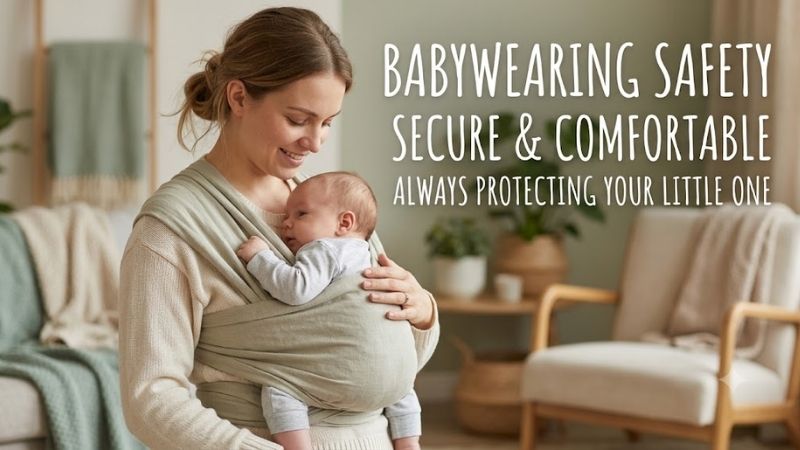
Clear Airway Alignment and Head Support
Infant airways remain extremely vulnerable during early months because newborn neck muscles cannot support heavy heads. Carriers must position babies upright with their chin resting comfortably away from their small chest. Maintaining a clear space between chin and sternum guarantees unrestricted breathing at all times during movement.
Fabric panels should rest snug across the back without covering your infant tiny mouth or nostrils during naps. You must maintain close visual contact so you can quickly monitor respiratory rhythm without shifting material. Vigilant attention creates a cozy, dependable cocoon where your child rests securely on every excursion.
Certified Hip Positioning and Ergonomics
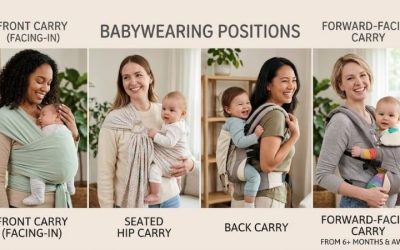
Proper orthopedic positioning cradles fragile femoral joints and fosters natural pelvic stability over long strolls. Certified carriers hold baby legs in a wide spread-squat orientation where knees rise visibly above the bottom. This anatomical posture prevents harmful subluxation and shields growing cartilage from damage.
Designs that let newborn legs dangle straight downward create focal stress across delicate socket structures. Look for wide base fabrics that support your infant from knee pit to knee pit without bunching uncomfortably. Promoting proper skeletal alignment allows your little one to develop healthy joints through active infancy.
Structural Seam Strength and Fabric Grip
Resilient seams and robust stitching ensure your sling handles dynamic body movements without unexpected tearing. Parents must inspect reinforced stress points along ring attachments, shoulder straps, and perimeter hems regularly. High grade industrial threading provides lasting durability that resists continuous stretching.
Textile friction stops fabric layers from loosening while you bend, walk, or handle ordinary domestic chores. Quality cotton weaves grip firmly against themselves to prevent sudden slack from developing around your torso. Choosing grippy, supportive materials keeps your growing toddler held firmly at a safe kissable height.
Temperature Control and Breathable Weaves
Overheating poses serious dangers for tiny infants who cannot self-regulate core thermal levels during outings. Carriers crafted from dense synthetic yarn trap body heat against parental chests, triggering thermal exhaustion. Opting for lightweight organic cotton, linen, or bamboo weaves guarantees consistent circulating air.
Remember that every wrap layer adds equivalent thermal insulation to a full piece of infant clothing. Dress your baby in light base layers and monitor damp hair or flushed cheeks during warm summer afternoons. Mindful fabric selection ensures refreshing outdoor trips without excessive perspiration or fussiness.
Top Picks for Everyday Babywearing Protection
Finding a reliable carrier becomes effortless when comparing structural durability alongside verified ergonomics. Top rated models deliver peace of mind by maintaining rigorous babywearing safety benchmarks across diverse daily activities. Review our curated summary below to discover the best match for your parenting needs.
| Product Model | Best Target User | Primary Fabric Type | Core Safety Feature |
|---|---|---|---|
| Boba Classic Wrap | Newborn beginners | French terry cotton | Sturdy contouring hold |
| Solly Baby Wrap | Warm weather walkers | Certified Lenzing modal | Breathable lightweight knit |
| Baby Ktan Original | Parents on the go | Pure natural cotton | Patented secure double loops |
| Moby Fit Hybrid | Caregivers wanting ease | Cotton knit with rings | Safe pull cinch adjustment |
Boba Classic Elastic Baby Wrap
The Boba Classic carrier is ideal for first-time caregivers seeking snug physical closeness with fragile newborns. Its thick French terry cotton blend delivers gentle stretch that secures tiny limbs without painful shoulder digging. However, this dense textile can feel overly warm during humid summer walks across sunny parks.
Parents appreciate that this durable wrap washes cleanly in standard household machines after messy feedings. The generous fabric length accommodates diverse adult silhouettes, though excess tails may drag across dirty pavement. It provides sturdy, dependable daily containment for budget conscious families prioritizing closeness.
Solly Baby Breathable Modal Wrap
Active caregivers living in warmer climates will appreciate the featherlight design of the Solly Baby carrier. Spun from Austrian modal, this silky wrap provides remarkable airflow that keeps parents and infants cool. While it maintains excellent babywearing safety for small babies, heavier toddlers over fifteen pounds may sag.
Its ultra-compact profile folds neatly into standard diaper bags without consuming valuable packing space. Delicate seams demand gentle air drying to preserve elastic resilience and prevent premature textile wear over time. It stands as a premier lightweight choice for early infant bonding during sunny outdoor afternoons.
Baby Ktan Original Pre Wrapped Swaddle
Parents intimidated by yards of loose wrapping fabric will love the patented double-loop design of the Baby Ktan. It slips on effortlessly like a simple shirt, making it the fastest option for quick grocery shopping trips. You bypass complicated wrapping steps while still granting your child snug, ergonomic hip alignment.
Because this carrier relies on fixed garment sizes, partners with differing physical frames cannot share one unit. Buyers must review sizing charts with extreme caution before ordering to avoid purchasing an uncomfortably tight fit. Despite fixed sizing limits, the breathable cotton knit feels gentle against infant skin.
Moby Fit Adjustable Hybrid Carrier
The Moby Fit bridges the gap between classic wrap softness and structured ring carrier convenience for busy parents. Sewn rings allow users to cinch excess slack smoothly without having to tie or untie complicated knots. It is an outstanding choice for caregivers who seek custom adjustments without tedious wrapping hassles.
Petite caregivers may notice that adjustment rings sit awkwardly near shoulder blades if pulled hastily in public. Once positioned correctly, the durable knit fabric distributes toddler weight comfortably during extended errands. This carrier acts as an adaptable hybrid solution that supports infants through twelve months.
Frequently Asked Questions About Babywearing Safety
Everyday infant babywearing brings forward essential inquiries regarding airway wellness, posture, and fabric care. Parents often seek clear guidance on how proper babywearing safety practices protect infants over months of use. Explore our clear answers below to gain total confidence throughout your babywearing journey.
What Is the TICKS Rule for Infant Protection?
The TICKS acronym serves as an internationally recognized checklist that simplifies babywearing safety for all caregivers. It reminds you to keep wraps tight, in view at all times, close enough to kiss, chin off chest, and back supported. Memorizing these essential rules prevents dangerous positioning errors during daily routines.
Conducting a quick mental review before leaving the house ensures your infant stays fully supported and secure. Always verify that fabric panels remain tight enough to prevent your baby from slumping downward inside the pouch. Consistently adhering to these five steps gives parents lasting peace of mind on every journey.
How Do You Ensure Open Airways During Naptime?
When babies fall asleep against parental chests, their neck muscles relax completely, creating potential breathing hazards. You must ensure their head turns comfortably to one side with their nose and mouth unobstructed by fabric folds. Never allow an infant chin to curl downward onto their chest, as this restricts vital airflow.
Gently reposition your sleeping baby if fabric shifts across their face during extended neighborhood walks. Fabric bands should firmly cup the back of their head without forcing awkward spinal curvature during deep slumber. Regular visual monitoring guarantees peaceful breathing while your infant enjoys restorative outdoor rest.
Can Slumping In a Carrier Cause Hip Issues?
Slumping inside a loose sling places uneven pressure on underdeveloped hip sockets, which can trigger joint dysplasia. Maintaining proactive babywearing safety requires positioning infant thighs horizontally in a wide ergonomic M-shape. Spreading fabric completely from knee to knee ensures the pelvis remains neutrally cradled.
If you notice your child sliding downward toward your waistline, immediately untie and readjust your wrap tension. Snug fabric panels prevent poor spinal curvature while keeping infant hips securely seated in the deep pocket. Prioritizing structured ergonomic positioning supports healthy skeletal growth through active infancy.
How Often Should Parents Inspect Carrier Seams?
Routine fabric inspections protect against sudden equipment failures that could cause dangerous infant drops outdoors. Upholding babywearing safety involves checking structural seams, rings, and buckle fasteners before every wearing session. Discontinue using any carrier that displays torn thread loops, frayed fabric, or loose rings.
Laundering carriers according to manufacturer guidelines prevents premature breakdown of elastane and cotton fibers. Always inspect high-tension zones along shoulder hems and base seams after washing to verify overall integrity. Consistent maintenance guarantees your wrap provides dependable, secure support for years to come.
Final Thoughts on Babywearing Safety Habits
Adopting mindful babywearing safety habits transforms everyday infant bonding into a peaceful and joyful family journey. As you choose a carrier, remember to balance textile breathability, seam resilience, and certified hip positioning. Invest in a dependable ergonomic wrap today to enjoy safe, comfortable adventures on every walk.







Write Your Review
No reviews yet. Be the first to share your experience!