
Key takeaways
- Table of Contents 4 sections 8 min read 1 How to Choose Babywearing Essentials 1.1 Ergonomic Hip Support and Positioning 1.2 Breathable and Non-Toxic Fabric Choices 1.3 Lumbar Support and Weight Distribution 1.4 Adjustability for Multiple Caregivers 2 Top Picks…
What's inside
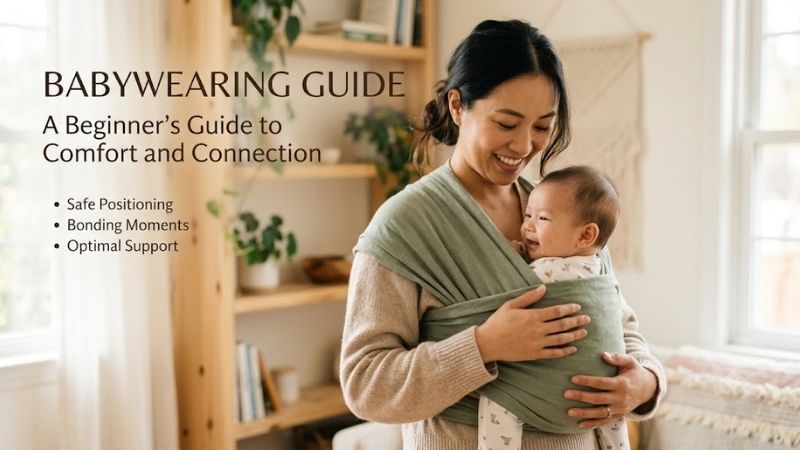
Babywearing Guide routines often overwhelm new parents navigating complex wraps, sore lower backs, and fussy infants. This comprehensive manual eliminates common confusion by delivering ergonomic tips, safety principles, and top carrier selections so you can bond with your baby while keeping both hands completely free every single day.
How to Choose Babywearing Essentials
Choosing suitable carrier gear is vital because a proper babywearing guide protects healthy infant hip development while preventing back strain. Beginners often select flimsy wraps lacking adequate lumbar support, leading to exhaustion. Evaluating structural criteria ensures you invest in dependable carriers that grow alongside your baby.
Ergonomic Hip Support and Positioning
Ergonomic hip positioning forms the safety foundation for every newborn carrier you consider buying today. Healthy carriers must support your infant in an ergonomic spread-squat position where knees rest slightly higher than hips. This spread position encourages natural hip joint alignment and prevents dangerous developmental dysplasia.
Adjustable seat bases allow you to widen the pelvic support as your growing infant develops longer thighs. Narrow carrier bases dangle small legs straight downward, placing excessive mechanical stress on delicate hip sockets. Prioritizing wide bucket seating ensures healthy orthopedic development and keeps your little one relaxed during walks.
Breathable and Non-Toxic Fabric Choices
Fabric breathability directly influences infant comfort because babies cannot regulate body heat effectively during long walks. Dense synthetic textiles trap body warmth, causing sudden skin irritation, heat rashes, and extreme fussiness. Selecting natural materials like certified organic cotton or soft linen ensures continuous airflow.
Infants constantly mouth carrier straps, making non-toxic textile standards absolutely vital for child safety. Fabrics certified by OEKO-TEX guarantee that no harmful dyes or toxic chemicals transfer onto tender gums. Choosing pure, chemical-free textiles gives parents genuine peace of mind throughout messy teething phases during daily walks.
Lumbar Support and Weight Distribution
Carrying a growing infant for multiple hours places immense mechanical strain on maternal and paternal spines. Padded shoulder straps and structured waistbands distribute infant weight evenly across your hips rather than pulling directly on delicate neck muscles. This structural balance prevents chronic upper body soreness during outdoor errands.
Crossable back straps offer versatile weight distribution options for caregivers possessing smaller shoulder frames. Standard parallel configurations occasionally slip off narrower shoulders, compromising posture and carrier balance. Seeking carriers with adaptable strap orientations guarantees custom ergonomic comfort across different body types.
Adjustability for Multiple Caregivers
Sharing a single baby carrier between parents requires fast adjustability without complicated rethreading routines. Intuitive slide buckles and smooth webbing straps allow partners to swap carrying duties within seconds during family outings. A comprehensive babywearing guide prioritizes versatile designs that accommodate diverse adult waist sizes.
Dual-adjusting pull tabs allow wearers to tighten webbing forward rather than struggling with awkward rear clips. Smooth tension adjustments let you pull the infant closer to your center of gravity, improving posture instantly. Look for simple strap systems that make adjustments effortless whether you wear winter coats or light summer tees.
Top Picks for Modern Babywearing Gear
Selecting dependable products becomes straightforward when following our curated babywearing guide recommendations. We evaluated dozens of market options to highlight supportive wraps and ergonomic soft-structured carriers designed for maximum convenience. The comparison table below presents our top picks tailored for various family lifestyles.
| Product | Carrier Style | Key Feature | Best For |
|---|---|---|---|
| Ergobaby Omni Breeze | Structured Carrier | Breathable SoftFlex mesh | Active all-day parents |
| Solly Baby Wrap | Stretchy Wrap | Lightweight modal fabric | Tender newborn bonding |
| Baby Tula Free-to-Grow | Adjustable Buckle | No-infant-insert design | Growing infant stages |
| WildBird Aerial Buckle | Padded Linen | European linen structure | Minimalist stylish comfort |
Ergobaby Omni Breeze Carrier
The Ergobaby Omni Breeze stands out in our babywearing guide as the premier choice for active parents who require versatile carrying positions in warm weather. Its SoftFlex mesh promotes maximum airflow, while cushioned lumbar support eliminates lower back fatigue. It carries children up to forty-eight pounds without separate inserts.
On the negative side, the structured frame feels slightly bulky when packed into compact diaper bags for quick trips. However, the four ergonomic carry options and built-in privacy hood provide unbeatable utility for family adventures. It delivers outstanding physical support and durable construction that easily lasts across multiple children.
Solly Baby Lightweight Wrap
The Solly Baby Wrap is an exquisite option for parents prioritizing intimate newborn bonding inside a soft fabric pocket. Crafted from certified Lenzing modal, this breathable wrap distributes weight evenly across your torso without overheating. It wraps snugly around tiny infants, providing a custom womb-like cocoon that soothes crying babies.
Our dedicated babywearing guide notes that stretchy wraps have a limited weight capacity, topping out around twenty-five pounds. Learning the precise tying technique also demands patience during initial practice sessions. Nevertheless, the buttery softness and calm snuggles make it an indispensable staple throughout early postpartum weeks.
Baby Tula Free-to-Grow Carrier
The Baby Tula Free-to-Grow shines for caregivers who want an intuitive buckle carrier that smoothly adapts as babies grow. Its body panel adjusts into three width settings and two height positions, supporting infants up to forty-five pounds. The padded neck support pillow keeps sleeping newborns steady without awkward fabric bulking.
This carrier lacks an outward forward-facing carry mode, which may disappoint parents whose older infants enjoy viewing surroundings. Despite that limitation, generous waist padding and soft cotton patterns make extended wear remarkably cozy. It stands as a reliable, hassle-free investment that transitions effortlessly across child stages.
WildBird Aerial Buckle Carrier
The WildBird Aerial Buckle Carrier targets style-conscious parents who appreciate clean aesthetics paired with natural textiles. Crafted from pure European linen, this ergonomic carrier features lumbar support alongside crossable shoulder straps. It holds infants up to thirty-five pounds while providing exceptional breathability outdoors.
Pure linen fabric requires a gentle break-in period before reaching maximum suppleness, feeling slightly stiff on the first few outings. Furthermore, spot cleaning requires extra care compared to synthetic blends that machine wash effortlessly. Still, its lightweight charm and ergonomic silhouette make it a gorgeous daily accessory for parents.
Frequently Asked Questions About Babywearing
Mastering daily carrier techniques becomes much simpler when you consult an evidence-based babywearing guide before heading out. New caregivers frequently encounter questions regarding safety rules, infant breathing posture, and daily wear duration. Below are clear, detailed answers to common inquiries to help you carry your infant with confidence.
How Soon Can You Start Babywearing?
You can begin carrying your baby immediately after birth provided your infant weighs at least seven pounds and has no medical complications. Skin-to-skin contact inside soft wraps stabilizes newborn heart rates, regulates body temperature, and supports successful lactation. Always consult your pediatrician first if your baby arrived prematurely.
Early sessions should remain gentle and brief as postpartum parents gradually rebuild core abdominal strength after delivery. Practicing wrap ties with plush toys before birth builds valuable muscle memory, reducing stress once your newborn arrives. Starting early establishes comforting physical routines that both parent and child cherish.
What Does the TICKS Rule Mean?
The TICKS framework represents the gold standard safety acronym detailed across every reputable babywearing guide worldwide. It reminds parents to keep carriers Tight, in view at all times, Close enough to kiss, Keep chin off the chest, and Supported back. Memorizing these five simple checks ensures your infant maintains an open, clear airway.
A slumped posture where the chin presses against the chest can lead to positional asphyxiation, as newborn airways remain extremely pliable. Keeping your baby upright with their head turned slightly to the side keeps breathing passages unobstructed. Checking these vital indicators every time you strap on a carrier guarantees complete peace of mind.
How Long Can a Baby Stay in a Carrier?
There is no strict universal time limit for carrying a content infant as long as their airway remains completely unobstructed. However, child development experts recommend pausing every two hours to change diapers, feed your baby, and encourage free floor movement. These regular breaks allow little legs and arms to stretch out freely across the floor.
Caregivers must also listen to their own bodies and remove carriers whenever shoulders or lower backs begin feeling fatigued. Alternating between front carries, stroller rides, and floor play prevents muscle exhaustion for parents while supporting infant motor milestones. Balanced routines keep babywearing sessions uplifting, safe, and sustainable.
When Can Babies Face Outward in Carriers?
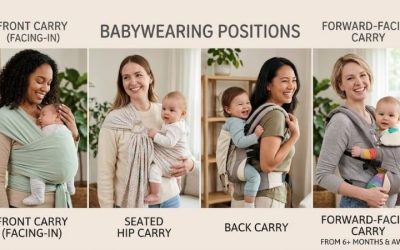
Infants should only transition to outward-facing carries once they exhibit complete head and neck control, typically around six months of age. Facing forward before neck muscles mature allows heavy heads to flop forward, creating severe airway risks. Additionally, older infants must be tall enough for their chins to clear the carrier panel smoothly.
Outward-facing positioning places higher strain on parental spines because the baby’s center of mass shifts forward away from your chest. Furthermore, curious infants easily become overstimulated by bustling surroundings without the ability to turn away. Limiting forward-facing sessions to twenty minutes ensures pleasant, happy adventures.
Final Thoughts
Relying on a dependable babywearing guide empowers you to explore the world hands-free while building an unbreakable emotional bond with your child. Whether you choose the buttery softness of a Solly Wrap or the rugged support of an Ergobaby Breeze, prioritize ergonomic safety above all. Pick the carrier that fits your lifestyle and enjoy the journey.









Write Your Review
No reviews yet. Be the first to share your experience!