
Key takeaways
- Removable Expansion Panel: A triangular or rectangular zip-in panel that bridges the front or rear zipper track, accommodating an infant sitting inside an ergonomic buckle carrier, wrap, or sling.
- Dual Neck Protection: Separate collar closures that keep cold air off the caregiver’s chest and neck without covering the child’s face.
- 3-in-1 / 4-in-1 Adaptability: Wearable during standard pregnancy (maternity insert), front babywearing, back babywearing (on select models), and as a standalone jacket when the insert is unzipped.
- Shared Body Microclimate: Instead of isolating the child in a thick individual snowsuit, the baby shares the wearer’s radiant body heat inside the coat’s insulated envelope.
What's inside
- What Is a Babywearing Coat and How Does It Work?
- Critical Cold-Weather Babywearing Safety Rules
- Smart Layering Strategy: The Shared Microclimate
- 3-in-1 Babywearing Coat vs. Zip-In Panel vs. Carrier Cover
- Top Babywearing Coats and Outerwear Solutions
- Step-by-Step: How to Use a Babywearing Coat Safely
- Babywearing Coat Buying Guide: What to Look For
- Frequently Asked Questions
- Conclusion
Navigating freezing temperatures with your infant requires balancing thermal comfort against strict airway safety. A dedicated babywearing coat lets you wrap an outer layer around both yourself and your standard ergonomic carrier, sharing vital body warmth without bulky snowsuits that compromise breathing or posture during winter outings.
- What Is a Babywearing Coat and How Does It Work?
- Critical Cold-Weather Babywearing Safety Rules
- Smart Layering Strategy: The Shared Microclimate
- 3-in-1 Babywearing Coat vs. Zip-In Panel vs. Carrier Cover
- Top Babywearing Coats and Outerwear Solutions
- Step-by-Step: How to Use a Babywearing Coat Safely
- Babywearing Coat Buying Guide: What to Look For
- Frequently Asked Questions
- Conclusion
What Is a Babywearing Coat and How Does It Work?
Understanding dedicated babywearing apparel helps you differentiate purpose-built garments from oversized standard outerwear. These winter jackets feature specialized removable inserts that expand the chest or back area to shelter a carried baby while maintaining your core warmth and comfort throughout everyday cold-weather walks.
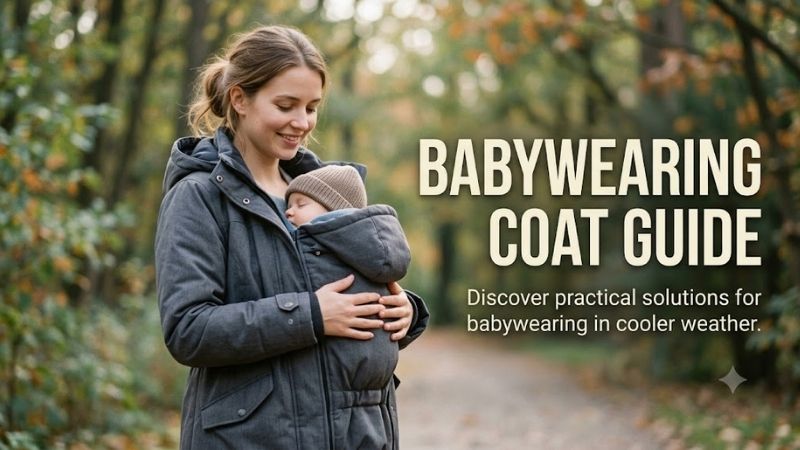
A babywearing coat is an outerwear garment engineered with an integrated, zip-in extension panel. Unlike a standard winter coat, which forces a parent to leave zippers open or stretch the fabric across a carrier, this jacket incorporates specific design elements tailored for two bodies:
- Removable Expansion Panel: A triangular or rectangular zip-in panel that bridges the front or rear zipper track, accommodating an infant sitting inside an ergonomic buckle carrier, wrap, or sling.
- Dual Neck Protection: Separate collar closures that keep cold air off the caregiver’s chest and neck without covering the child’s face.
- 3-in-1 / 4-in-1 Adaptability: Wearable during standard pregnancy (maternity insert), front babywearing, back babywearing (on select models), and as a standalone jacket when the insert is unzipped.
- Shared Body Microclimate: Instead of isolating the child in a thick individual snowsuit, the baby shares the wearer’s radiant body heat inside the coat’s insulated envelope.
Critical Cold-Weather Babywearing Safety Rules
Winter babywearing introduces specific thermal and physical hazards that parents must actively manage. Before selecting outerwear, mastering essential airway safety and temperature regulation ensures your cold-weather adventures stay completely secure, cozy, and compliant with pediatric carriage standards.
When babywearing inside a jacket, your primary concern is maintaining a clear airway while preventing both hypothermia and dangerous overheating:
1. The Puffy Snowsuit Hazard
Never dress your infant in a puffy down snowsuit, thick bunting, or heavy padded pram suit underneath a babywearing coat or carrier.
- Airway Slumping: Thick synthetic fill creates dead space between the infant and the sling or carrier. As the material compresses under movement, the child can slump down, pushing their chin to their chest and risking positional asphyxiation.
- Overheating Danger: Shared body heat inside a zipped coat traps ambient air quickly. A child bundled in a snowsuit inside an insulated coat cannot regulate temperature and can rapidly overheat without visible distress.
- Compromised Fit: Bulk prevents carrier straps from fitting snugly against the baby’s torso, destroying the ergonomic pelvic tuck and C-shaped spine curvature.
2. Airway Clearance and Visibility
- Visible and Kissable: The baby’s face must always remain clearly visible above the coat neckline. Never zip the coat over the child’s nose or mouth.
- Clear Air Channel: Ensure no hood fur, drawstring tassels, or collar fabric flaps drift across your baby’s breathing perimeter.
- Two-Finger Rule: Always confirm there is at least two fingers’ width of space between your baby’s chin and their chest to guarantee an unblocked trachea.
Smart Layering Strategy: The Shared Microclimate
Layering beneath a winter babywearing coat requires a fundamentally different philosophy than dressing an infant for an isolated stroller ride. By treating your coat as a shared external shell, you regulate body heat effectively across freezing weather conditions while keeping both parent and child completely comfortable outside.
To dress both wearer and baby properly under a shared jacket, follow this temperature-tested layering formula:
[OUTER LAYER]  -> Babywearing Coat (Windproof & Waterproof Shared Barrier)
      |
[BABY LAYER]   -> Base layer (Merino Wool/Cotton) + Mid layer (Fleece Footie)
      |
[CARRIER]      -> Buckle Carrier / Wrap / Ring Sling (Acts as one clothing layer)
      |
[WEARER LAYER] -> Breathable Base Layer + Light Sweater (Avoid heavy bulky knitwear)
Dressing the Carried Baby
Because your carrier counts as roughly one full layer of fabric, dress your child as follows:
- Core: A long-sleeve cotton or merino wool onesie plus soft knit pants or a breathable microfleece sleeper. Merino wool is exceptional because it regulates temperature and wicks moisture without adding dangerous bulk.
- Extremities (Critical Focus): While the torso stays warm against your chest, feet and hands sit on the periphery. Use double-layer wool socks, sherpa-lined baby booties, and a fleece or wool balaclava that protects the neck, ears, and head without slipping over the eyes.
Dressing the Caregiver
Parents generating walking heat often overheat faster than the baby. Choose lightweight, moisture-wicking layers rather than heavy down vests under the jacket. If you begin sweating, unbuckle the side ventilation snaps or lower your personal collar zipper without exposing the baby.
3-in-1 Babywearing Coat vs. Zip-In Panel vs. Carrier Cover
Choosing the right cold-weather gear depends entirely on your budget, local climate severity, and how frequently you venture outdoors with your baby. Examining the core mechanics, benefits, and functional trade-offs of each system enables you to select the best outerwear setup for your specific everyday family lifestyle.
| Feature / System | 3-in-1 Dedicated Coat | Universal Zip-In Panel | Weatherproof Carrier Cover |
|---|---|---|---|
| Average Cost | $120 – $320 | $60 – $110 | $40 – $85 |
| Wind & Cold Seal | Complete sealed envelope; superior draft protection | Good seal; relies on your existing coat’s zipper track | External apron; sides may allow minor wind penetration |
| Ease of Use | Fast; put on one unified jacket | Requires matching zipper adapters to your coat | Straps around carrier independently of your coat |
| Back Carry Ready | Yes (on dual-insert models) | No (front zip only on standard jackets) | Yes (hooks over back carrier) |
| Post-Baby Use | Converts to a premium everyday winter coat | Removed completely; coat returns to normal | Storage pouch; independent accessory |
| Best For | Daily freezing walks, northern winters, snow | Moderate winters, budget-conscious parents | Occasional rain/wind, changing between caregivers |
Top Babywearing Coats and Outerwear Solutions
Selecting an authentic, field-tested garment ensures your investment withstands punishing winter winds while offering ergonomic convenience on long walks. The following top-tier outerwear options represent the highest-rated solutions for keeping parent and infant properly insulated together through harsh freezing weather.
1. Seraphine 3-in-1 Winter Maternity & Babywearing Parka
- Best For: Extreme cold climates, fashion-conscious parents, and complete maternity-to-toddler transitions.
- Key Features: Water-resistant cotton-blend twill shell; faux-fur lining; zip-in kangaroo babywearing panel with faux-fur trim; adjustable drawstring waist cinch; separate maternity side-zips.
- Pros:
- Premium wind-blocking insulation suitable for sub-freezing temperatures.
- The babywearing insert features a plush kangaroo pouch that hugs around the carrier.
- Remains an elegant, high-end parka when worn without panels.
- Cons:
- Premium price point.
- Front babywearing only (does not support back carry).
- Use Case: Daily urban commutes, winter school runs, and freezing neighborhood strolls with an inward-facing infant.
- Who It’s For: Expectant and new parents wanting one durable, stylish winter coat that spans pregnancy, infancy, and toddlerhood.
2. MakeMyBellyFit Universal Jacket Extender Panel
- Best For: Parents wanting to keep using their own premium down parka or technical shell.
- Key Features: Softshell windproof and water-resistant extension panel; patented universal zip adapters (compatible with YKK and common zipper teeth); optional fleece warmth liner.
- Pros:
- Saves money by transforming your existing winter wardrobe.
- Compact and easy to pack into a diaper bag.
- Works across different family members with interchangeable zip adapters.
- Cons:
- Can take time to identify and attach the correct zipper adapter.
- Limited to front carrying only.
- Use Case: Transitional seasons and freezing winter days when you want the specialized protection of your technical mountain parka.
- Who It’s For: Practical parents with existing high-performance outerwear who prefer a cost-effective adapter over a dedicated new coat.
3. Bebamour Universal All-Weather Carrier Cover
- Best For: Budget-conscious families and multi-caregiver sharing across different body sizes.
- Key Features: Waterproof polyester outer shell; warm fleece interior; detachable snap hood for infant; foot pouch with elastic toggles; utility hand-warmer pocket for parent.
- Pros:
- Attaches to any buckle carrier, wrap, or stroller strap.
- One-size-fits-all versatility allows mom, dad, or grandparents to swap instantly.
- Can be used on front inward, front outward, and back carry configurations.
- Cons:
- Does not fully enclose the caregiver’s personal chest and neck.
- Can feel draftier along the flanks than a zipped-in coat envelope.
- Use Case: Quick errands, alternating between stroller and carrier, and unpredictable rainy or windy weather.
- Who It’s For: Families seeking an affordable, flexible weather barrier without committing to a dedicated coat size.
Step-by-Step: How to Use a Babywearing Coat Safely
Operating a dual-occupant winter coat requires an established step sequence to prevent infant distress and maintain carrier alignment safely. Follow this clear walkthrough to load your baby, seal out winter drafts, and maintain pristine airway monitoring on every single outdoor journey through cold seasonal temperatures.
Step 1: Secure the Carrier First
Put on your soft structured carrier, ring sling, or woven wrap over your indoor base layers. Seat your baby, verifying the ergonomic deep squat (“M-shape” pelvis) and tight torso support before interacting with the coat. The coat must never support the baby’s physical weight—its sole purpose is thermal protection.
Step 2: Configure the Zip-In Insert
Zip the expansion panel into the right-hand zipper track of your coat before putting the coat on. If your coat features neck guards or head supports on the panel, unbutton them so they do not catch on the baby’s boots or arms during dressing.
Step 3: Slip on the Coat Over Both of You
Gather the coat fabric in both hands and slide your arms through the sleeves while letting the jacket frame swing gently around the baby’s back. Be cautious not to snag the baby’s feet.
Step 4: Zip Up and Adjust Collar Snaps
Align the left zipper slider with the expansion panel track and zip upward until the coat reaches your chest line. Snap the caregiver collar closed to seal out cold wind across your throat. Adjust the baby panel drawstrings to pull excess fabric tight against drafts while maintaining a wide, unobstructed opening for their face.
Step 5: Execute the Final Safety Sweep
Check that you can easily place two fingers under your baby’s chin, verify their mouth and nose are unobstructed by your lapel, and kiss the top of their head to confirm height.
Babywearing Coat Buying Guide: What to Look For
Selecting the right outerwear requires balancing weather resistance against thermal versatility and multi-year family longevity. Evaluating materials, zipper designs, and carry compatibility ensures your chosen coat delivers lasting value across varying developmental milestones and diverse cold-weather outdoor demands.
1. Front vs. Back Carry Capability
- What: Some advanced coats (such as technical softshells from specialty European brands) include a zipper running up the back seam, allowing you to insert the expansion panel on your back.
- Why: Once an infant passes 6 to 9 months and gains strong neck and torso stability, back carrying shifts heavy center-of-gravity weight off the parent’s chest for easier trekking.
- Who: Vital for outdoor enthusiasts, hikers, and parents carrying toddlers over 20 lbs.
- Trade-off: Back-carry coats cost considerably more and require practice to load independently without a mirror or partner.
2. Weatherproof Shell vs. Breathable Fleece
- What: Outerwear fabric options range from water-resistant membrane shells (DWR treated nylon/polyester) to mid-weight polar fleece.
- Why: Wet snowfall and freezing rain cut through porous fleece immediately, destroying insulation value.
- Who: Parents living in wet, snowy, or coastal maritime climates need a waterproof or DWR-treated exterior. Fleece babywearing jackets are better reserved for dry crisp autumn days or indoor-outdoor errands.
- Trade-off: Hard-wearing waterproof fabrics offer less tactile stretch and soft drape than flexible knits.
3. Integrated Hoods and Airway Clearance
- What: Look for jackets with detachable or roll-away caregiver hoods, paired with independent infant hoods that buckle or cinch securely.
- Why: A heavy parent hood can flap forward in strong winds and rest against the child’s forehead or cover their nose.
- Who: Anyone walking in open, windy winter terrains.
- Trade-off: Removable hood attachments require storing extra snaps or zips, but eliminate fabric drift across the baby’s airway.
Frequently Asked Questions
Navigating cold-weather babywearing often brings up practical questions regarding garment sizing, warmth regulation, and infant foot protection. Reviewing these verified expert answers helps eliminate common guesswork and ensures you and your baby remain secure, warm, and confident during every freezing winter outing.
Can I use an oversized normal winter coat instead of a babywearing coat?
You can button or zip an oversized men’s coat around an infant carrier, but it presents serious safety and comfort trade-offs. Oversized coats often bunch loose fabric around the infant’s face, increasing suffocation hazards, and leave the parent’s chest and neck completely exposed to icy drafts.
How do I know if my baby is too warm inside the babywearing coat?
Check the nape of your baby’s neck or back beneath their clothing. The skin should feel pleasantly warm and dry. If their neck feels hot, damp, or sweaty, or if their cheeks are flushed red, step into a sheltered area, unbutton the side toggles, and remove one mid-layer. Cold hands or feet are common due to immature circulation, but a hot chest or neck indicates dangerous overheating.
What should a baby wear on their feet in a babywearing coat?
Because little legs poke downward toward the draft line, dress your infant in thermal wool socks paired with windproof fleece or sheepskin booties that cinch securely around the ankle. Avoid footed sleeper pajamas that fit too snugly, as the carrier’s ergonomic knee-lift can pull the fabric tight against tiny toes, causing discomfort and cutting off circulation.
Conclusion
Mastering cold-weather family outings is simple once you pair a solid ergonomic carrier with a dedicated babywearing coat. By relying on shared core body warmth, eliminating dangerous snowsuit bulk, and maintaining uncompromised airway visibility, you and your little explorer can embrace crisp winter trails in total comfort and safety.






Write Your Review
No reviews yet. Be the first to share your experience!