
Key takeaways
- Table of Contents 4 sections 8 min read 1 How to Choose the Best Baby Carrier for Newborns 1.1 Ergonomic Spine and Hip Positioning 1.2 Fabric Breathability and Temperature Control 1.3 Structural Stretch and Weight Distribution 1.4 Simplicity of Adjustment…
What's inside
Babywearing For Newborns solves the exhausting daily challenges new parents encounter when comforting a fussy infant while managing routine chores. Confusing wraps and weak support often create frustration and back pain. This comprehensive guide delivers proven advice to ensure secure bonding and effortless physical comfort.
How to Choose the Best Baby Carrier for Newborns
Choosing the proper gear for babywearing for newborns requires careful attention to ergonomic design, durable textiles, and practical parental needs. A dependable carrier must stabilize delicate airways while maintaining natural posture. Evaluating these crucial elements ensures your family enjoys peaceful routines every day.
Ergonomic Spine and Hip Positioning
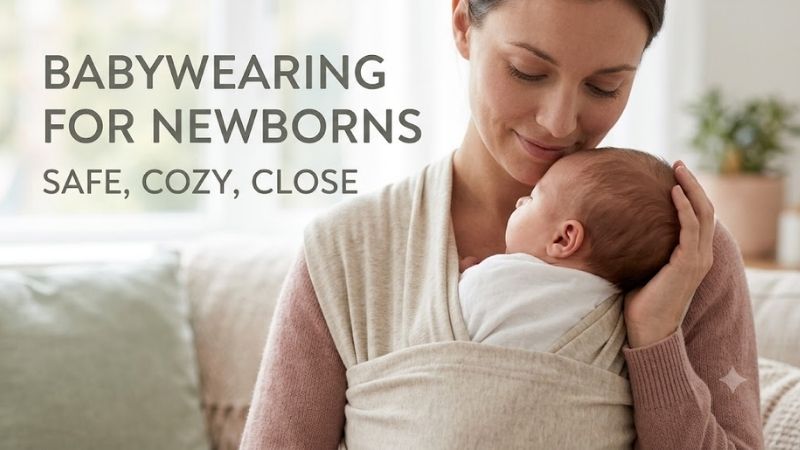
Proper ergonomic positioning remains the foundation of infant safety and healthy development throughout early infancy. A newborn lacks spinal strength, requiring a carrier that gently hugs their curved back without forcing unnatural straightness. This curved alignment supports proper physical growth during daily walking routines.
In addition, the carrier must support infant hips in an elevated spread-squat posture with knees raised higher than bottoms. This proper seat design distributes weight evenly and prevents strain on delicate hip joints. Adopting safe babywearing for newborns guarantees your child rests in comfort while you stay active.
Fabric Breathability and Temperature Control
Infants struggle to regulate their own temperature, making breathable carrier materials indispensable for daily snuggles. Natural fibers like organic cotton, linen, and modal foster consistent airflow across your torso. This steady ventilation prevents excessive body heat accumulation during sunny walks or heated indoor naps.
Synthetic fabrics often trap warm moisture against sensitive newborn skin, producing sticky rashes and unnecessary fussiness. Investing in lightweight, open-weave materials shields your baby from irritation and promotes deeper sleep. Premium textiles maintain a soothing microclimate that keeps you and your infant fresh.
Structural Stretch and Weight Distribution
A high-quality carrier provides balanced elasticity that flexes comfortably while offering unyielding vertical support. Fabrics with resilient four-way recovery contour snugly around tiny limbs without loosening over time. This reliable tension holds your baby close against your chest, stabilizing your shared center of gravity.
Excessive sagging places unnecessary strain across parental shoulders, quickly triggering lingering fatigue and spinal misalignment. Wide shoulder panels and reinforced cross passes distribute weight smoothly across the upper back. High structural integrity prevents dangerous infant slumping during long afternoon outings.
Simplicity of Adjustment and Everyday Maintenance
Exhausted parents need intuitive gear that secures quickly without demanding frustrating adjustments or confusing ties. Practical babywearing for newborns should empower caregivers to calm crying infants in seconds without second-guessing safety. Clear visual edge markers and intuitive fabric loops streamline daily use.
Moreover, daily infant spit-up and milk leaks demand dependable washability that withstands repeated laundering cycles. Carriers must endure routine washing without losing structural shape, elasticity, or soft texture. Choosing preshrunk, colorfast cotton fabrics guarantees simple hygiene and long-lasting performance.
Top Picks for Newborn Baby Carriers
Selecting the right setup for babywearing for newborns involves balancing fast learning curves with long-term comfort and style. Diverse designs cater to varying lifestyles, from classic stretchy fabrics to structured hybrid carriers. The curated table below compares top-rated market choices tested by real parents.
| Product Name | Best Feature | Material Type | Weight Range | | Boba Classic Wrap | Deep Hugging Comfort | French Terry Cotton | 7 to 35 lbs | | Solly Baby Wrap | Featherlight Softness | Certified Lenzing Modal | 8 to 25 lbs | | Baby Ktan Original | No-Tie Quick Setup | Pure Natural Cotton | 8 to 35 lbs | | Ergobaby Embrace | Structured Hybrid Ease | Soft Ponte Knit Blend | 7 to 25 lbs |
Boba Classic Baby Wrap
This classic carrier suits budget-conscious families seeking reliable durability and substantial snuggling support for chilly months. The dense French terry cotton blend delivers comforting warmth and gentle flexibility that calms fussy babies. It provides sturdy head stabilization that keeps sleepy infants safe on walks.
The primary advantage is exceptional resilience that prevents sagging, making babywearing for newborns thoroughly dependable. However, the five-meter fabric length requires patient practice, and the heavy knit feels warm during humid summers. It remains an excellent choice for parents who value classic cotton strength.
Solly Baby Lightweight Wrap
Designed specifically for hot climates and delicate infant skin, this silky wrap caters to style-conscious parents. Crafted from sustainable modal fabric, the ultra-thin material drapes gracefully while preventing unwanted heat buildup. It folds compactly into diaper bags, providing effortless portability for travel.
Caregivers love its cloud-like softness and gentle breathability that soothes tiny newborns into restful naps. On the downside, the lighter textile has a lower twenty-five-pound weight limit and stretches out under heavier infants. Choose this elegant option if you prioritize lightweight comfort and breezy cooling.
Baby Ktan Original Carrier
Tailored for anxious beginners intimidated by lengthy wrapping fabric, this patented design slips on like an ordinary t-shirt. Busy parents love how rapidly this dual-loop system secures an unsettled infant for quick outdoor strolls. It distributes weight across both shoulders without messy tails trailing on dirty floors.
The greatest benefit is immediate, zero-fuss placement that requires no tying tutorials or complicated adjustments. Nevertheless, individual sizing prevents sharing the wrap between partners of different body types, requiring separate purchases. It is ideal for individuals who want quick, frustration-free carrying daily.
Ergobaby Embrace Cozy Carrier
This hybrid model combines the cozy softness of a knit wrap with the reassuring security of structured buckles. Ideal for parents who desire straightforward fastening, it features a supportive waist belt and easy side latches. The plush ponte knit textile cradles newborn hips in a secure, certified ergonomic seat.
Parents appreciate the seamless buckle setup that eliminates guesswork and accelerates infant placement during busy mornings. However, the structured waistband feels bulkier than simple fabric wraps and limits compact diaper bag storage. It serves as a fantastic bridge carrier for parents who want wrap softness with buckles.
Frequently Asked Questions About Newborn Wearing
Mastering daily babywearing for newborns requires addressing common safety concerns, infant positioning rules, and physical comfort questions. Understanding pediatric guidelines helps caregivers carry their infants with total confidence and ease. Review these practical answers to build a peaceful babywearing habit.
Is Babywearing Safe for Fragile Newborns?
Practicing safe babywearing for newborns is completely secure when caregivers observe essential pediatric airway positioning rules. The infant head must remain fully visible, resting upright with their chin lifted cleanly off their chest. Keeping the baby snug against your chest ensures their breathing passages remain unobstructed.
Always verify that your child sits high enough on your torso so you can kiss their forehead effortlessly without straining. Avoid deep slouching positions that let an infant curl into a ball, as this restricts vital airflow. Routine visual checks and proper snugness keep your tiny passenger entirely secure during all outings.
How Many Hours Can an Infant Stay in a Carrier?
Infants can comfortably rest in a supportive carrier for several hours, provided their basic feeding and changing needs are met. Many newborns fall asleep within minutes, soothed by parental heartbeats, rhythmic walking, and warmth. Taking occasional breaks every two hours allows you to check diapers and reposition limbs.
Prolonged carrying should always be balanced with supervised floor time to encourage infant motor development and spinal movement. If your back begins to ache, gently remove your baby and rest your shoulders before resuming wear. Listening to your physical cues prevents parental strain while preserving bonding joy.
What Weight Is Required Before Starting?
Most standard stretchy wraps and hybrid carriers accommodate healthy full-term infants starting at seven or eight pounds. This weight threshold ensures the child fills out the seat securely without slipping dangerously into loose folds. Full-term infants benefit immensely from early upright carrying that calms fussiness.
For premature infants or babies weighing under seven pounds, consult your pediatrician before using any fabric carrier. Specialized wraps or adjusted kangaroo care techniques may be necessary to support fragile respiratory systems. Following expert medical advice guarantees a healthy, reassuring introduction to carrying.
How Do You Prevent Overheating During Wear?
Thermal distress is a genuine concern because shared body contact generates significant warmth between caregiver and infant. Dress your newborn in a single layer of breathable cotton clothing, counting the carrier as an extra layer of fabric. Never bundle your infant in thick fleece outfits while tucked inside snug carrier passes.
Check the back of your infant neck frequently to ensure their skin feels pleasantly warm and dry rather than clammy or hot. If your baby appears flushed or sweaty, move to a cool indoor area and loosen the carrier immediately. Mindful temperature monitoring keeps your bonding sessions peaceful, safe, and soothing.
Final Thoughts on Newborn Carrier Selection
Embracing regular babywearing for newborns creates a joyful bond while giving tired parents back their hands and daily mobility. Finding an ergonomic carrier tailored to your climate and daily routine turns fussy afternoons into peaceful walks. Choose a dependable wrap today to experience the serene comfort of keeping your infant close.






Write Your Review
No reviews yet. Be the first to share your experience!