
Key takeaways
- How It Works: Liquid beads on the surface and rolls off rather than penetrating immediately into the weave.
- Benefits: These materials remain lightweight, breathable, and supple, making the diaper bag comfortable to carry for hours.
- Limitations: Prolonged exposure to steady rain, standing puddles, or continuous hydrostatic pressure will eventually force water through the stitching and weave seams.
What's inside
Every traveling parent eventually faces an unexpected mess, whether it is an exploding baby bottle, an uncontained diaper blowout, or a sudden downpour while running across a parking lot. Standard canvas bags absorb these spills instantly, staining clean onesies and saturating spare blankets in pungent, bacterial moisture. Investing in a dedicated waterproof diaper bag solves this problem entirely by pairing water-repellent outer textiles with sealed, leakproof interior compartments. In this comprehensive guide, we review the top five waterproof diaper bag models on the market, analyze technical fabric coatings, and explain how to choose the right wet-dry storage architecture to keep your family outings clean, organized, and stress-free.
Waterproof vs. Water-Resistant Diaper Bags: Key Differences
Understanding the distinction between water-resistant textiles and fully waterproof barriers prevents messy surprises during sudden downpours or formula leaks. While treated fabrics repel light drizzle, true waterproof compartments utilize impermeable membranes that trap soiled clothes securely without soaking adjacent gear.
1. Water-Resistant Fabrics (DWR and PU Coatings)
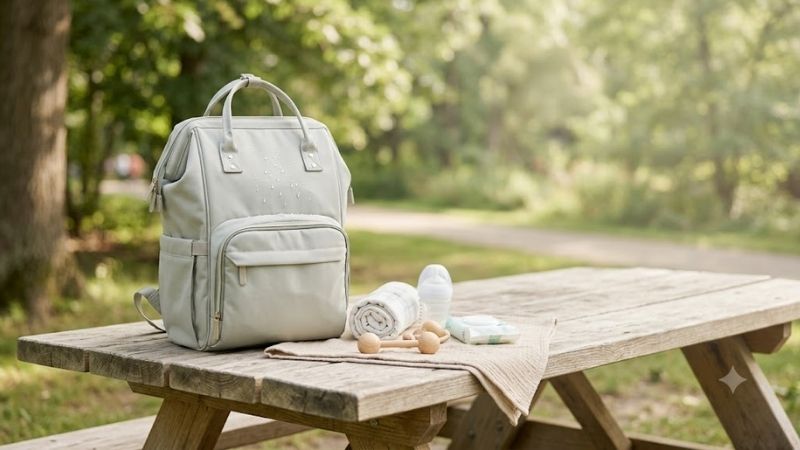
Water-resistant fabrics are typically woven polyesters or nylons treated with a Durable Water Repellent (DWR) finish or a light Polyurethane (PU) backing.
- How It Works: Liquid beads on the surface and rolls off rather than penetrating immediately into the weave.
- Benefits: These materials remain lightweight, breathable, and supple, making the diaper bag comfortable to carry for hours.
- Limitations: Prolonged exposure to steady rain, standing puddles, or continuous hydrostatic pressure will eventually force water through the stitching and weave seams.
2. Truly Waterproof Barriers (TPU, EVA, and Vulcanized Rubber)
True waterproofing relies on non-porous membranes, heat-sealed plastics (like Ethylene Vinyl Acetate or Thermoplastic Polyurethane), or molded rubber bases.
- How It Works: Impermeable physical sheets block liquid transfer at a microscopic level, creating airtight containment zones.
- Benefits: Saturated cloth diapers, muddy shoes, or leaking milk bottles stay locked inside without transferring odors or moisture to dry clothing.
- Limitations: Non-porous membranes add physical weight to the bag and lack breathability, requiring manual airing to prevent mildew after cleaning.
5 Best Waterproof Diaper Bags for Any Outing
Selecting the right waterproof diaper bag means finding the balance between durable outer coatings, smart pocket geometry, and comfortable harnesses. We evaluated the market to highlight five standout models that safeguard baby supplies against rainstorms, accidental milk bottle leaks, and muddy playground wipe-outs with total ease.
1. Ruvalino Diaper Bag Backpack
The Ruvalino Diaper Bag Backpack is an organized daily workhorse engineered with tear-resistant, water-resistant polyester fabric alongside dedicated internal wet pockets.
- Best For: Overall waterproof value, multi-pocket organization, and dependable all-weather daily carry.
- Key Features: Waterproof PU-coated polyester exterior; heat-sealed waterproof EVA wet/dry zipper pocket; dual insulated bottle compartments; extra-wide clamshell opening; wipe-clean cushioned changing mat.
- Pros:
- PU-coated exterior fabric sheds heavy rain and wipes clean instantly with standard baby wipes.
- Dedicated interior wet pocket contains soaked onesies without leaking moisture into adjacent compartments.
- Generous 16-pocket internal organization keeps feeding supplies and personal tech neatly separated and upright.
- Cons:
- Main compartment zippers are water-resistant rather than fully submersible, which can admit moisture during severe downpours.
- Insulated bottle sleeves fit standard baby bottles but fit tightly around extra-wide glass containers.
- Use Case: Daily preschool drop-offs, park playdates, and budget-friendly road trips in variable weather.
- Who It’s For: Practical parents looking for dependable, all-weather water resistance and extensive organization at an accessible price.
2. JuJuBe B.F.F. Convertible Diaper Bag
The JuJuBe B.F.F. utilizes advanced textile coatings and antimicrobial technology to deliver maximum spill resistance and total machine washability.
- Best For: Machine-washable cleanliness, stain resistance, and busy daycare commutes.
- Key Features: Teflon-treated exterior fabric protector; Agion-treated antimicrobial interior lining; convertible backpack-to-messenger strap system; bottom corner crumb drains; 3M Thinsulate insulated side bottle pockets.
- Pros:
- Teflon fabric protector ensures formula drops, juice spills, and mud splashes roll off the surface effortlessly.
- Agion antimicrobial silver-ion lining actively inhibits the growth of odor-causing mold, mildew, and bacteria.
- Completely machine washable, eliminating tedious manual scrubbing after major diaper blowouts.
- Cons:
- Heavy-duty metal hardware increases the baseline empty weight to nearly $2.8\text{ lbs}$.
- Structured rectangular silhouette does not compress easily when stuffed into tight stroller cargo baskets.
- Use Case: Long stroller walks, daycare handoffs, and messy toddler snack sessions where effortless machine sanitation is required.
- Who It’s For: Cleanliness-focused caregivers who demand stain-repellent coatings and effortless machine-wash sanitization.
3. Dagne Dover Indi Neoprene Diaper Backpack (Large)
The Dagne Dover Indi pairs water-resistant performance neoprene with high-end architectural styling, delivering weather protection for urban parents.
- Best For: Luxury design, tactile carrying comfort, and tech-friendly diaper transport.
- Key Features: 100% water-resistant performance neoprene shell; water-repellent Repreve recycled polyester interior; removable waterproof zipper wet bag; integrated luggage trolley sleeve; exterior phone and tablet slip pockets.
- Pros:
- High-density neoprene cushions sensitive electronics and glass bottles while naturally insulating against chilly moisture.
- Includes an independent, clip-in waterproof wet pouch that isolates soiled infant clothes completely.
- Minimalist aesthetic transitions from professional workplace environments to pediatric appointments.
- Cons:
- Heavy rainfall can eventually saturate neoprene seams if exposed for prolonged periods without drying.
- Premium build commands a higher financial investment compared to standard synthetic carriers.
- Use Case: Urban commuting, airport travel, and stylish stroller strolls where modern design meets functional weather protection.
- Who It’s For: Working parents and frequent flyers looking for a sleek, weather-resistant pack that doubles as a luxury laptop backpack.
4. Freshly Picked Classic Diaper Bag
The Freshly Picked Classic Diaper Bag combines a completely non-porous vegan leather shell with versatile carrying configurations for refined style.
- Best For: Wipe-clean designer styling, spill impermeability, and formal family gatherings.
- Key Features: 100% waterproof high-grade vegan leather exterior; wipe-clean nylon interior; 10 internal and external storage pockets; convertible backpack, purse, or crossbody strap design; metal protective bottom feet.
- Pros:
- Coated vegan leather exterior is entirely non-porous, allowing instant surface wipe-downs of sticky spills.
- Wide clamshell opening stays upright without collapsing when resting on airport changing tables.
- Padded shoulder straps distribute pack weight evenly despite the structured, elegant silhouette.
- Cons:
- Lacks dedicated heat-sealed interior wet pockets for dripping swimsuits or saturated cloth diapers.
- Vegan leather can develop surface scuffs if dragged across abrasive outdoor concrete surfaces.
- Use Case: Restaurant dining, shopping excursions, and social gatherings where parents want refined styling and instant wipeability.
- Who It’s For: Fashion-conscious caregivers who prioritize wipe-clean leather aesthetics over utilitarian outdoor gear.
5. Itzy Ritzy Boss Plus Diaper Backpack
The Itzy Ritzy Boss Plus provides expansive multi-child storage anchored by a heavy-duty, patent-pending molded rubber base for extreme ground protection.
- Best For: Heavy-duty floor protection, twin packing, and traveling through high-traffic transit hubs.
- Key Features: Textured water-resistant vegan leather; patent-pending molded rubber waterproof bottom; 19 organizational pockets (6 insulated); dual full-zip clamshell compartments; cushioned matching changing mat.
- Pros:
- Thick rubberized base forms an impenetrable moisture barrier against wet bathroom floors and damp grass.
- Exterior vegan leather repels street grime, spit-up, and light rain showers with zero liquid penetration.
- Massive dual-compartment interior comfortably houses twin-sized gear loads and backup clothing.
- Cons:
- Significant empty pack weight ($3.8\text{ lbs}$) demands physical stamina during extended walking sessions.
- Bulkier footprint can struggle to squeeze underneath compact regional airplane seats.
- Use Case: Navigating busy airport terminals, public park pavilions, and managing multi-child outings.
- Who It’s For: Families managing twins or toddlers who frequently place their diaper bag on damp or unsanitary floors.
Waterproof Diaper Bag Buying Guide: Key Criteria
Choosing an exceptional waterproof pack requires evaluating technical fabrics, structural closures, and carrying comfort. Use our four-pillar evaluation model to inspect materials, sealed seams, insulated compartments, and strap ergonomics so you can pick a resilient carrier tailored specifically to your family travel routine.
1. Exterior Fabric and Coating Architecture
- What: The primary outer textile shell, ranging from PU-coated polyester and ballistic nylon to performance neoprene and treated vegan leather.
- Why: The exterior surface serves as your primary defense line against sudden rainstorms, playground mud, and filthy public transit seating.
- Who: Outdoor parents walking in wet climates need DWR-coated synthetics, while urban parents who frequent indoor venues often prefer wipe-clean vegan leather.
- Trade-off: High-density coated vegan leather and rubber-reinforced textiles provide superior liquid wipe-down capability but add considerable baseline weight compared to lightweight coated nylon.
2. Wet/Dry Compartmentalization and Seam Sealing
- What: Dedicated interior chambers lined with impermeable EVA, TPU, or PEVA materials, frequently paired with welded or taped waterproof seams.
- Why: Without a true waterproof barrier, moisture and bacteria from soiled cloth diapers or leaking milk bottles will migrate into dry clothing and personal electronics.
- Who: Parents practicing cloth diapering, families visiting community pools, or caregivers dealing with frequent infant spit-up emergencies.
- Trade-off: Fully sealed, non-breathable wet pockets trap moisture securely, but they must be emptied and sanitized promptly at home to avoid mildew accumulation.
3. Thermal Insulation and Leak Containment
- What: Specialized bottle pockets lined with aluminum composite foil or closed-cell foam insulation, sealed against structural leakage.
- Why: Milk, formula, and toddler purées spoil quickly at room temperature; unsealed insulation pockets allow spilled dairy to soak permanently into interior foam padding.
- Who: Caregivers feeding expressed breast milk or warm reconstituted formula during long daytime outings.
- Trade-off: Stiff insulated chambers protect milk temperatures for hours but consume rigid interior space, reducing flexibility for packing bulky cold-weather baby coats.
4. Maintenance Requirements and Washing Protocols
- What: The required cleaning methodology, categorized into wipe-clean surfaces, spot-treatment fabrics, and fully machine-washable architectures.
- Why: Diaper bags interact with unsanitary restroom counters, baby fluids, and sticky snacks, making routine sanitization essential for infant health.
- Who: Parents managing active toddlers or severe infant reflux who need rapid, deep-cleaning turnaround times.
- Trade-off: Machine-washable canvas and nylon bags allow thorough sanitization cycles but require prolonged air-drying times before they can be repacked.
Frequently Asked Questions
Navigating waterproof ratings, interior care methods, and airport security rules often raises practical concerns for new caregivers. Here are direct, verified answers to common questions about keeping your baby gear dry, sanitizing leakproof compartments, and selecting the most reliable bag materials for daily outings.
What is the difference between a water-resistant and a waterproof diaper bag?
A water-resistant diaper bag uses surface coatings to repel light moisture, causing water droplets to bead up and roll away. A waterproof diaper bag incorporates non-porous membranes, taped seams, or heat-sealed interior liners (like EVA or TPU) that withstand continuous liquid immersion without letting moisture penetrate through the barrier.
How do you properly sanitize a waterproof diaper bag after a blowout?
Empty the soiled chamber immediately and invert the pocket lining over a trash receptacle. Wipe the interior surface using an alcohol-free antibacterial wipe or a microfiber cloth dampened with warm water and mild liquid dish soap. Allow the pocket to air-dry completely in an open, ventilated area before zipping it closed to prevent odors.
Can you store wet cloth diapers directly inside the bag?
You can store wet cloth diapers directly inside the bag only if it features a dedicated, heat-sealed EVA or TPU waterproof pocket. If your bag only offers standard water-resistant nylon pockets, place soiled cloth diapers inside an independent, zippered wet bag before packing them to prevent seam leakage.
Are waterproof diaper bags permitted as personal items on airlines?
Yes, waterproof diaper bags that adhere to standard airline personal item dimensions (typically $18 \times 14 \times 8\text{ inches}$) are fully permitted aboard commercial aircraft. Most major airlines grant an additional diaper bag allowance per ticketed infant that does not count against your standard personal carry-on allotment.
Conclusion
Investing in a high-performance waterproof diaper bag turns unpredictable transit messes from stressful ordeals into quick, minor cleanups. Whether you prefer the affordable organization of Ruvalino, the machine-washable resilience of JuJuBe, the modern aesthetic of Dagne Dover, the wipe-clean luxury of Freshly Picked, or the rugged rubber-bottomed strength of Itzy Ritzy, choosing a bag with true moisture containment protects your child’s spare clothing, feeding supplies, and valuables in any climate. By matching internal wet/dry compartmentalization and exterior weather resistance to your family’s travel lifestyle, you can explore the outdoors and conquer airport concourses with lasting comfort, hygiene, and confidence.
Write Your Review
No reviews yet. Be the first to share your experience!