
Key takeaways
- For Mom: Photo ID, insurance cards, birth plan (3 copies), loose nightgowns/nursing pajamas, grip socks, shower flip-flops, nursing bras, nipple balm, personal toiletries, lip balm, and loose-fitting going-home clothes (maternity size 6 months).
- For Baby: Installed infant car seat, 2–3 newborn and 0–3M sleepsuits/onesies, going-home outfit, velcro swaddles, scratch mittens, soft hat, and receiving blanket.
- For Partner: Multi-pocket change of clothes, phone chargers with 10-foot cables, high-protein snacks, refillable water bottle, toiletries, and pillow with a non-white pillowcase.
- Hospital Room Comfort: Portable mini fan, sound machine app, power bank, extra-long phone cord, and unscented hydrating facial mist.
What's inside
- Quick Summary: Master Hospital Bag Checklist
- When to Pack Your Hospital Bag: Optimal Timeline
- Hospital Bag Checklist: Core Essentials by Category
- 5 Essential Hospital Bag Products for Labor and Recovery
- What to Leave at Home: Hospital Bag Items to Skip
- Buying Guide: How to Select the Right Hospital Bag Gear
- Frequently Asked Questions
- Final Thoughts on Packing Your Hospital Bag
Packing your hospital bag checklist early ensures a calm, confident arrival when labor begins. This comprehensive packing guide outlines non-negotiable medical documents, postpartum recovery essentials, newborn clothing, and supportive partner gear, keeping you organized without cluttering your hospital delivery room.
- Quick Summary: Master Hospital Bag Checklist
- When to Pack Your Hospital Bag: Optimal Timeline
- Hospital Bag Checklist: Core Essentials by Category
- 5 Essential Hospital Bag Products for Labor and Recovery
- What to Leave at Home: Hospital Bag Items to Skip
- Buying Guide: How to Select the Right Hospital Bag Gear
- Frequently Asked Questions
- Final Thoughts on Packing Your Hospital Bag
Quick Summary: Master Hospital Bag Checklist
If you are packing in a hurry, focus on these verified delivery room essentials:
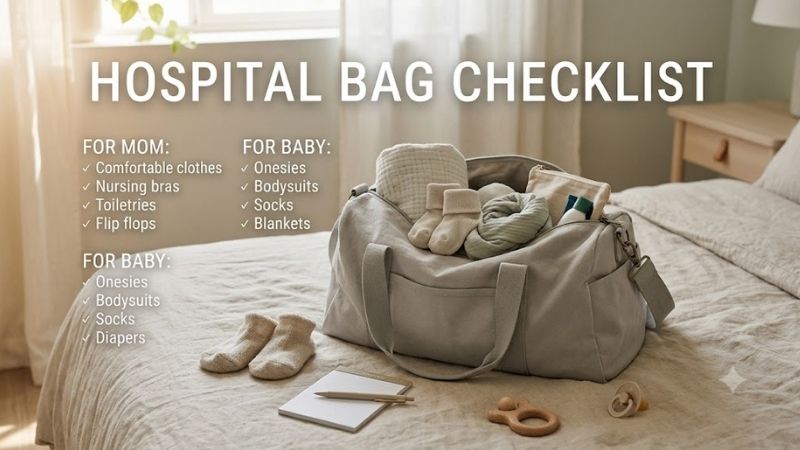
- For Mom: Photo ID, insurance cards, birth plan (3 copies), loose nightgowns/nursing pajamas, grip socks, shower flip-flops, nursing bras, nipple balm, personal toiletries, lip balm, and loose-fitting going-home clothes (maternity size 6 months).
- For Baby: Installed infant car seat, 2–3 newborn and 0–3M sleepsuits/onesies, going-home outfit, velcro swaddles, scratch mittens, soft hat, and receiving blanket.
- For Partner: Multi-pocket change of clothes, phone chargers with 10-foot cables, high-protein snacks, refillable water bottle, toiletries, and pillow with a non-white pillowcase.
- Hospital Room Comfort: Portable mini fan, sound machine app, power bank, extra-long phone cord, and unscented hydrating facial mist.
When to Pack Your Hospital Bag: Optimal Timeline
Timing your bag preparation prevents eleventh-hour panic while keeping critical daily items accessible until birth. Most obstetricians recommend having your hospital luggage packed and staged by week thirty-six, giving you ample breathing room for unexpected early arrivals or scheduled inductions without rushing your spouse.
- Week 32–34 (The Acquisition Phase): Inventory your baby gear, order postpartum hygiene recovery products, wash baby garments with fragrance-free detergent, and install the infant car seat base in your primary vehicle for local safety inspection.
- Week 35–36 (The Packing Phase): Assemble primary duffels for mom, baby, and birth partner. Pack secondary comfort items, spare clothing, and duplicate bathroom toiletries into clear zipper packing cubes. Place the bags near the front entrance or in your car trunk.
- Week 37–40 (The “Go-Bag” Staging Phase): Keep a concise “last-minute add” sticky note atop your duffel listing items you use daily: cell phone, prescription eyeglasses, everyday skincare, and your primary phone charging cable.
Hospital Bag Checklist: Core Essentials by Category
Organizing your items by user category prevents rummaging through packed duffels during active contractions. Dividing supplies into dedicated pouches for administrative paperwork, maternal recovery, newborn care, and partner comfort ensures that whoever assists you can retrieve needed supplies in seconds without disruption.
+---------------------------------------------------------------------------------------+
|                               HOSPITAL BAG MASTER MATRIX                              |
+---------------------------------------------------------------------------------------+
| 1. Administration  --> Photo ID, Insurance Card, Pediatrician Info, Printed Birth Plan |
| 2. Labor & Birth   --> Grip Socks, Labor Gown, Lip Balm, Hair Ties, Long Phone Cables |
| 3. Postpartum Mom  --> Peri Bottle, Disposable Briefs, Nursing Bras, Dark Loungewear  |
| 4. Newborn Baby    --> Infant Car Seat, 2x Sleepers (NB & 0-3M), Swaddle, Soft Hat   |
| 5. Partner Gear    --> Layered Clothes, Sleeping Pad/Pillow, High-Calorie Snacks, Cash |
+---------------------------------------------------------------------------------------+
1. Paperwork, Documentation, and Electronics
- Government Photo ID & Health Insurance Cards: Keep these easily accessible in an outer pocket of your main bag for triage intake.
- Printed Birth Preferences / Plan: Bring 3 to 4 physical copies to hand directly to your intake nurse, labor doula, and attending obstetrician or midwife.
- Pediatrician Contact Details: Hospital intake forms require your designated pediatrician’s practice name, address, and phone number for post-birth health records transfer.
- 10-Foot Charging Cables & Portable Battery Banks: Hospital room outlets are frequently placed behind the bed frame or across the recovery bay.
2. Labor & Delivery Comfort Items
- Front-Opening Labor Gown: Hospital-issued gowns often tie clumsily in the back; bringing your own soft, snap-down gown simplifies fetal monitoring and skin-to-skin contact.
- Non-Slip Grip Socks or Washable Slippers: Hospital floors require continuous foot protection against cool tile surfaces.
- Ultra-Hydrating Lip Balm & Unscented Lotion: Hospital HVAC ventilation is intensely dry and dehydrating during multi-hour active labor.
- Sturdy Hair Ties, Headbands, or Claw Clips: Keep hair secured away from your face and neck during labor transitions and warm showers.
3. Postpartum Recovery & Nursing Supplies
- Ergonomic Upside-Down Peri Bottle: Far superior to the standard straight-nozzle hospital squirt bottles for targeted perineal rinsing.
- Absorbent Postpartum Underwear or High-Waist Mesh Briefs: Bring 4 to 6 pairs of high-waist disposable briefs that sit comfortably above potential Cesarean incisions.
- Nursing Bras & Organic Nipple Butter: Pack 2 wire-free nursing or pumping bras paired with lanolin-free nipple balm to soothe early latch friction.
- Dark, Loose-Fitting Going-Home Outfit: Choose soft joggers, dark modal pajama sets, or an oversized shirt dress in a 6-month maternity size.
4. Newborn Essentials
- Federally Approved Infant Car Seat: The hospital discharge team will legally inspect that your baby is strapped into a safe rear-facing seat before leaving.
- Going-Home Outfits in Two Sizes (Newborn & 0–3 Months): Ultrasounds frequently misjudge birth weight; packing both sizes ensures a proper fit.
- Pre-Washed Velcro Swaddles & Receiving Blankets: Simplify swaddling when hospital blanket tucking feels cumbersome in the middle of the night.
- Scratch Mittens and Soft Cotton Caps: Protect infant skin from sharp newborn fingernails in air-conditioned nursery rooms.
5. Birth Partner & Support Person Essentials
- 2 Full Changes of Layered Clothing: Labor rooms can swing from warm delivery temperatures to chilly recovery wards.
- High-Energy Snacks & Electrolyte Packets: Hospital cafeterias and vending machines often close overnight; pack protein bars, trail mix, and electrolyte singles.
- Dedicated Pillow & Light Fleece Throw Blanket: Mark partner pillows with bright, patterned pillowcases so hospital housekeeping does not mistake them for hospital bedding.
5 Essential Hospital Bag Products for Labor and Recovery
Investing in specialized maternity gear upgrades labor comfort and streamlines postpartum recovery beyond standard hospital supplies. These five battle-tested products solve common delivery room pain points, from personal hygiene to cord management, giving parents practical reliability throughout their entire hospital stay.
+---------------------------------------------------------------------------------------+
|                                    QUICK PICKS                                        |
+---------------------------------------------------------------------------------------+
|  1. Frida Mom Postpartum Recovery Kit --> Best Complete Maternal Care System          |
|  2. Vera Bradley Microfiber Duffle   --> Best Organized Multi-Compartment Luggage     |
|  3. Ekouaer 3-in-1 Nursing Gown      --> Best Practical Hospital Labor Apparel        |
|  4. TriPole Clip-On Mini Fan          --> Best Labor Cooling & Contraction Relief      |
|  5. Anker 10-Foot USB-C Cable         --> Best Delivery Room Charging Solution        |
+---------------------------------------------------------------------------------------+
1. Frida Mom Postpartum Recovery Essentials Kit
+---------------------------------------------------------------------------------------+
| Frida Mom Postpartum Kit: Best Complete Maternal Care System                          |
+---------------------------------------------------------------------------------------+
| Key Specs:                                                                            |
| - Includes: Upside-down peri bottle, 4 disposable briefs, 4 instant ice maxi pads,    |
|   24 perineal cooling pad liners, 5 oz perineal healing foam, and storage caddy       |
| - Size: High-waist underwear fits waists 28" to 42"                                   |
| - Packaging: All-in-one bathroom caddy container                                      |
+---------------------------------------------------------------------------------------+
- Best For: Mothers who want an all-in-one postpartum perineal healing system without piecing together individual drugstore products.
- Key Features: Includes an angled-neck upside-down peri bottle, crack-and-cool instant ice padsicles, cooling witch hazel liners, and healing foam inside a portable caddy.
- Pros:
- Angled peri bottle eliminates awkward bending over hospital toilet bowls.
- Instant ice pads require no freezer access, activating instantly with a firm fold.
- High-waist stretch briefs hold bulky pads firmly without pressing on C-section incision lines.
- Cons:
- Bulkier caddy takes up significant space inside your main travel bag.
- Contains only 4 pairs of disposable underwear, necessitating backup packs for longer stays.
- Use Case: Vaginal delivery recovery during the first 48 hours in the postpartum ward.
- Who It’s For: Expecting mothers wanting a pre-packaged, hospital-grade perineal healing toolkit ready to drop straight into the bathroom.
2. Vera Bradley Microfiber Large Travel Duffle Bag
+---------------------------------------------------------------------------------------+
| Vera Bradley Microfiber Duffle: Best Organized Multi-Compartment Luggage              |
+---------------------------------------------------------------------------------------+
| Key Specs:                                                                            |
| - Dimensions: 22.0" L x 11.5" W x 11.5" H                                             |
| - Weight: 2.1 lbs (0.95 kg) empty                                                     |
| - Material: 100% Microfiber polyester shell with water-repellent finish               |
| - Pockets: 1 exterior slip pocket, 1 zip pocket, 3 interior mesh pockets             |
+---------------------------------------------------------------------------------------+
- Best For: Parents seeking a lightweight, high-capacity, and washable overnight duffel that organizes mom and baby gear neatly.
- Key Features: Constructed from lightweight, water-resistant brushed microfiber with a 53-liter packing capacity, heavy-duty double zippers, removable padded shoulder strap, and interior drop-in mesh slip organizers.
- Pros:
- Pliable fabric structure compresses into tight vehicle trunks or narrow hospital room closets.
- Extremely lightweight compared to rigid rolling carry-ons.
- Entire duffel is machine washable, making post-hospital sanitary cleaning simple.
- Cons:
- Lacks built-in roller wheels, requiring shoulder carrying down long hospital concourses.
- Soft sides do not stand rigid when underpacked.
- Use Case: Packing primary clothing, postpartum hygiene kits, and baby swaddles for a 2- to 3-day delivery room stay.
- Who It’s For: Mothers who prefer a chic, soft-sided duffel over industrial hard-shell luggage in the delivery suite.
3. Ekouaer 3-in-1 Labor, Delivery, and Nursing Gown
+---------------------------------------------------------------------------------------+
| Ekouaer 3-in-1 Nursing Gown: Best Practical Hospital Labor Apparel                    |
+---------------------------------------------------------------------------------------+
| Key Specs:                                                                            |
| - Material: 95% Rayon, 5% Spandex blend                                               |
| - Closure Mechanism: Full snap-down back panel and dual shoulder-snap openings        |
| - Sizing Range: Small through XX-Large                                                |
| - Cut: Knee-length relaxed A-line silhouette                                          |
+---------------------------------------------------------------------------------------+
- Best For: Laboring mothers who desire dignified coverage with immediate medical access for epidural placement and skin-to-skin bonding.
- Key Features: Features reinforced resin snaps down the entire back for epidural administration and spinal checks, along with snap-down front shoulder panels that facilitate immediate postpartum breastfeeding and heart-rate monitoring.
- Pros:
- Breathable, ultra-soft rayon blend prevents overheating during active contractions.
- Magnetic-style shoulder snap design enables one-handed nursing unfastening.
- Replaces scratchy, open-back hospital gowns with modest, comfortable fabric coverage.
- Cons:
- Fabric absorbs liquids quickly, so dark colors (black or navy) are essential to mask stains.
- Snaps along the lower back can feel noticeable when reclining flat for extended periods.
- Use Case: Wearing during labor, immediate post-delivery skin-to-skin, and walking the postpartum hallways.
- Who It’s For: Expectant moms seeking comfortable, photo-friendly labor clothing that still meets strict clinical safety guidelines.
4. TriPole Handheld & Clip-On Mini Portable Fan
+---------------------------------------------------------------------------------------+
| TriPole Clip-On Mini Fan: Best Labor Cooling & Contraction Relief                     |
+---------------------------------------------------------------------------------------+
| Key Specs:                                                                            |
| - Battery Capacity: 2600 mAh rechargeable lithium-ion battery                         |
| - Run Time: 2.5 to 6 hours depending on speed setting                                 |
| - Mounting: Heavy-duty spring clamp with 360° horizontal and vertical swivel head     |
| - Weight: 0.65 lbs (295 grams)                                                        |
+---------------------------------------------------------------------------------------+
- Best For: Regulating maternal body temperature during intense labor contractions and transitional pushing phases.
- Key Features: Equipped with a multi-surface tension clamp that attaches securely to hospital bed rails, IV poles, or bedside tables. Includes 3 quiet speed settings powered by a rechargeable USB internal battery.
- Pros:
- Whisper-quiet motor will not drown out fetal Doppler monitors or audio birth tracks.
- Flexible clamping clip secures onto round hospital bed rails and stroller bars post-birth.
- Operates while recharging via USB power bank.
- Cons:
- High-speed mode drains the battery within approximately 2.5 hours without a power cord plugged in.
- Plastic clamp jaws require a secure, flat or tubular surface to bite without slipping.
- Use Case: Bedside cooling during unmedicated or medicated labor, and subsequent attachment to an infant stroller.
- Who It’s For: Mothers sensitive to overheating during labor and birth partners looking for hands-free cooling solutions.
5. Anker Powerline II 10-Foot USB-C to Lightning / USB-C Cable
+---------------------------------------------------------------------------------------+
| Anker Powerline II 10-Foot Cable: Best Delivery Room Charging Solution               |
+---------------------------------------------------------------------------------------+
| Key Specs:                                                                            |
| - Cable Length: 10 feet (3.0 meters)                                                  |
| - Certifications: MFi certified (Apple) / USB-IF compliant                            |
| - Bend Lifespan: Tested to withstand 12,000+ bends                                    |
| - Data Transfer Rate: Up to 480 Mbps                                                  |
+---------------------------------------------------------------------------------------+
- Best For: Keeping smartphones, tablets, and cameras charged while resting in clinical hospital beds located far from wall sockets.
- Key Features: Heavy-duty reinforced elastomer jacket prevents internal wire shearing. The expansive 10-foot reach easily stretches from perimeter wall outlets behind clinical headwalls directly into the patient bed.
- Pros:
- Generous 10-foot length eliminates awkward tethering to wall outlets during recovery.
- Robust strain relief prevents frayed connectors from hospital bed motor adjustments.
- High-wattage fast charging compatible when paired with high-output wall adapters.
- Cons:
- Extra length tangles easily if not secured with the included hook-and-loop cable tie.
- Higher cost than standard generic 3-foot cords.
- Use Case: Powering phones for family video calls, contraction timing applications, and newborn photos.
- Who It’s For: Every expectant parent who wants uninterrupted phone power while resting in bed.
What to Leave at Home: Hospital Bag Items to Skip
Overpacking creates unnecessary clutter in compact postpartum recovery rooms and complicates discharge packing. Hospitals supply numerous disposable sanitary products, medical necessities, and infant hygiene staples, meaning you can safely leave bulky diapers, excess clothing, and high-value personal valuables on your dresser.
- Bulky Packs of Newborn Diapers and Wipes: American hospitals provide open packs of newborn diapers and baby wipes in your bassinet cart. Take home any open packs upon discharge, as they are discarded otherwise.
- Excess Infant Wardrobes: You do not need multiple baby outfits per day. During the hospital stay, newborns remain skin-to-skin on your chest or swaddled in hospital tees and blankets.
- Breast Pumps (Unless Practicing with Lactation Consultants): Postpartum units provide hospital-grade multi-user pumps (such as Medela Symphony units) alongside sterile pumping kits.
- Expensive Jewelry and Cash Bundles: Keep diamond rings, luxury watches, and high cash sums at home. Labor and recovery room transitions increase the risk of misplacing small valuables.
- Candles or Scented Diffusers: Open flames are prohibited near oxygen ports. Many hospital maternity wards ban ultrasonic essential oil diffusers due to newborn airway sensitivities.
Buying Guide: How to Select the Right Hospital Bag Gear
Selecting dedicated labor luggage and postpartum recovery accessories requires balancing volume against mobility. Evaluating your bag setup through a structured framework prevents overspending while ensuring your packing strategy directly matches your chosen birth center layout, vehicle size, and personal physical needs.
1. Luggage Volume and Accessibility
- What: Choosing between a rolling carry-on, a large weekender duffel, or modular packing cubes.
- Why: Clinical recovery rooms have small bedside footprints; deep luggage prevents partners from frantically unearthing items in the dark.
- Who: Mothers packing separate bags for labor, recovery, and baby items benefit from clear, labeled packing cubes.
- Trade-off: Rigid rolling bags protect fragile gear and roll easily, but take up substantial floor space compared to soft, collapsible duffels.
2. Clinical Compatibility of Labor Clothing
- What: Garments designed specifically for epidural access, IV lines, blood pressure cuffs, and fetal monitors.
- Why: Standard pajamas make clinical monitoring difficult, forcing you to strip down completely during checks.
- Who: Mothers wanting modesty without impeding nursing staff during cervical checks and fetal tracing.
- Trade-off: Specialized labor gowns cost more than regular nightshirts and are typically used for only a few days.
3. Personal vs. Hospital-Supplied Postpartum Care
- What: Deciding whether to use hospital-issued mesh panties and pads or bring customized ergonomic recovery gear.
- Why: Hospital mesh underwear and pads are functional but can feel scratchy and bulky; specialized ice pads and upside-down peri bottles offer ergonomic relief.
- Who: Patients with sensitive skin or those recovering from perineal tears or C-section incisions.
- Trade-off: Bringing your own recovery kits increases luggage bulk and out-of-pocket costs for items the hospital provides for free.
Frequently Asked Questions
Expecting parents often balance conflicting advice from family, medical staff, and social media packing videos. Below are direct, fact-checked answers addressing the most common questions regarding bag timing, diaper quantities, and delivery room rules so you can pack your luggage with total clarity and zero second-guessing.
What week should your hospital bag be packed?
Most obstetricians and certified nurse-midwives recommend having your hospital bag fully packed by 36 weeks of pregnancy. This ensures you are prepared for sudden water breaks, early labor, or unplanned clinical inductions while allowing sufficient time to wash baby clothes and secure your infant car seat base.
Does the hospital provide diapers and postpartum pads?
Yes, nearly all hospitals in the United States and Canada furnish standard disposable postpartum pads, mesh undergarments, basic squirt bottles, and newborn diapers for use during your hospital stay. However, many mothers prefer bringing their own angled peri bottles and high-waist recovery underwear for superior comfort and fit.
How many bags should I take to the hospital?
The most efficient setup consists of two medium bags: one small duffel for labor and delivery (paperwork, electronics, toiletries, and labor gown), and a secondary duffel left in your vehicle trunk containing postpartum recovery wear, newborn going-home outfits, and discharge paperwork.
What should mom wear home from the hospital?
Pack loose, soft, breathable clothing that fits roughly like 6-month maternity wear. Your uterus takes several weeks to shrink back to its pre-pregnancy size, and your abdomen will remain swollen and tender. High-waisted cotton joggers, dark leggings with a soft waistband, or an oversized t-shirt dress are ideal options.
Final Thoughts on Packing Your Hospital Bag
Preparing an efficient hospital bag checklist transforms late-pregnancy anticipation into organized confidence. By assembling verified legal documentation, comfortable recovery wear, essential electronics, and newborn basics into designated bags, you ensure a smoother labor transition and a stress-free discharge trip back home.






Write Your Review
No reviews yet. Be the first to share your experience!