
Key takeaways
- Choosing between a full buckle and half buckle carrier is less about which style is universally better and more about how you expect to use it. The real decision is whether you want the speed and structure of buckles at…
Choosing between a full buckle and half buckle carrier is less about which style is universally better and more about how you expect to use it. The real decision is whether you want the speed and structure of buckles at every major connection point, or the closer, more adjustable fit of a wrap-style shoulder panel combined with a buckled waist belt.
Both options can provide ergonomic support when properly adjusted, and both can work well for everyday errands, walks, travel, and household tasks. The differences become more noticeable when you consider how quickly you need to put the carrier on, how many caregivers will use it, how much adjustability you want, and where you will store it at home. This guide compares full buckle vs half buckle carrier designs so you can choose confidently in 2026.
Our top picks


As an Amazon Associate we earn from qualifying purchases at no extra cost to you. Ratings are shown as listed on Amazon.
Quick Verdict
Choose a full buckle carrier if convenience, repeatable adjustments, and quick loading matter most. It is usually the easiest option for multiple caregivers, frequent outings, and parents who want to move from carrying to setting the baby down without retying fabric. Full buckle designs also tend to offer more structured support and a wider range of ready-to-use features.
Choose a half buckle carrier if you prioritize a close, customized fit and the soft feel of wrap-style shoulder straps. The waist belt typically fastens with a buckle, while the shoulder straps are tied around the wearer and baby. That arrangement can distribute weight comfortably and adapt well to different body shapes, but it takes more practice and more time to put on.
Side by Side
| Feature | Full Buckle Carrier | Half Buckle Carrier |
|---|---|---|
| Comfort | Structured padding and adjustable buckles provide consistent support; excellent for longer walks. | Wrap-style straps can spread weight broadly and create a close, customized fit. |
| Learning curve | Usually quick to learn, often taking about 2 to 5 minutes to adjust for a new wearer. | Requires practice with strap tension and tying; allow roughly 5 to 15 minutes while learning. |
| Durability | Strong webbing, stitching, buckles, and padded panels can withstand frequent use. | Fabric can be highly durable, but repeated tying may create more wear at strap edges and seams. |
| Price range | Approximately $80 to $250, with premium models costing more. | Approximately $100 to $280, depending on fabric, padding, and brand. |
| Maintenance | Typically machine washable; buckles should be inspected for cracks and secure closure. | Typically machine washable; long straps need careful untangling and a thorough air-dry. |
| Space needed | About 12 to 18 inches wide when folded and roughly 1 to 3 pounds. | Often folds flatter, but long straps can require about 14 to 24 inches of storage length. |
| Look | Sporty, structured, and gear-oriented, with visible hardware and padded sections. | Soft, textile-forward, and closer to a woven wrap aesthetic. |
| Resale | Often easier to resell because buyers recognize the setup and can inspect the hardware. | Can retain value well, especially in desirable fabrics, but fit preferences are more personal. |
| Best for | Beginners, shared use, quick trips, travel, and frequent on-and-off carrying. | Caregivers who enjoy customization, extended wearing, and a soft, close fit. |
Where Full Buckle Wins
A full buckle carrier uses buckles for the waist belt and shoulder straps. Once the torso panel is adjusted, the basic routine is straightforward: secure the waist belt, position the baby, connect the shoulder straps, and check the fit. That repeatability is its biggest advantage.
Full buckle models are especially practical when more than one person carries the baby. A partner, grandparent, or babysitter can make basic adjustments without learning a new tying technique. Some caregivers also appreciate being able to mark preferred strap settings or leave the carrier mostly adjusted between uses.
This design is a strong choice for quick household transitions. If you need to carry a baby while unloading groceries, walking a dog, folding laundry, or moving between rooms, fewer steps can make the carrier more likely to be used. The buckles also keep excess adjustment material relatively contained, although straps still need to be checked so they do not hang near wheels, doors, or pets.
Full buckle carriers commonly provide substantial padding at the waist and shoulders. That extra structure can feel supportive during a 30- to 90-minute walk, particularly as the child grows. Look for a broad waist belt, a panel that supports the child from knee to knee, and adjustment points that let the seat narrow for a smaller baby and widen for a larger child.
Hardware terminology can be confusing. A baby carrier buckle is not interchangeable with general hardware such as the CRAFTMEMORE 1-inch single-prong belt buckles, listed at $13.39, or an industrial carbon-steel drive-chain buckle, listed at $14.02. Those products are useful reference points for the word “buckle,” but a carrier requires purpose-built, load-rated components and should never be repaired with unrelated hardware.
Where Half Buckle Carrier Wins
A half buckle carrier combines a buckled waist belt with shoulder straps that tie around the wearer and the baby. The tying portion allows the fabric to fan across the shoulders and upper back, rather than concentrating pressure at a few padded strap sections.
That flexibility can be valuable for caregivers with different torso lengths, shoulder widths, or fit preferences. You can adjust each side independently and fine-tune the tension as the baby settles. When properly tied, the fabric may feel more like an extension of your body than a piece of structured gear.
Half buckle carriers can also be appealing for caregivers who already understand woven wraps or other tied carriers. They offer some of that wrap-style adjustability without requiring a fully tied waist and shoulder system. The tradeoff is that the fit depends more on technique. Straps must be spread and tightened evenly, and the carrier should be checked each time for a secure, supported seat.
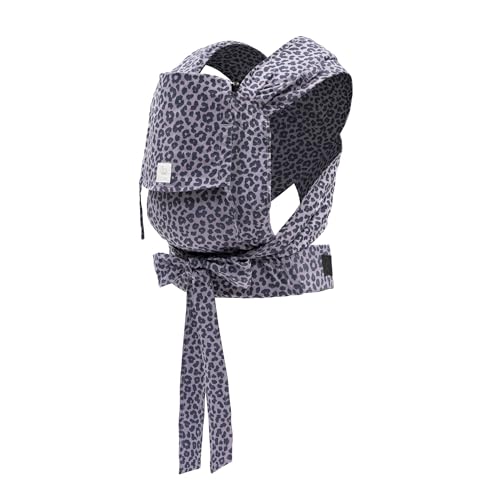
The Stokke Limas Carrier is an example of the half-buckle category. The Glacier Green and Leopard Lilac versions are both listed at $179 and are described as newborn carriers with three carrying options, use from birth, and a 33-pound upper weight limit. Those specifications illustrate why half buckle carriers can cover a substantial portion of a child’s early carrying years, though the correct fit still depends on the child’s size and the manufacturer’s instructions.
Cost Over 5 Years
The purchase price is only one part of ownership. A realistic five-year estimate should include the carrier, occasional cleaning supplies, and the possibility of replacing a carrier that is outgrown, damaged, or no longer comfortable.
For a full buckle carrier priced at $80 to $250, assume about $5 to $15 per year for gentle detergent, mesh laundry bags, or replacement drool pads. That creates an estimated five-year ownership cost of approximately $105 to $325, before replacement parts or a second carrier. A premium full buckle model used heavily may be worth the expense if it replaces multiple less-comfortable purchases.
For a half buckle carrier priced at $100 to $280, the same basic maintenance estimate produces a five-year cost of roughly $125 to $355. A $179 carrier would total about $204 to $254 over five years when adding $5 to $15 in annual care supplies. These estimates do not assign a dollar value to learning time, resale, or the convenience of a faster setup.
To protect either investment, follow the care label, avoid bleach unless specifically approved, inspect stitching and buckles regularly, and retire the carrier if the fabric, webbing, or hardware shows damage.
Which One for Your Home
Small apartment
A full buckle carrier is often the easiest fit for a compact home because it is quick to grab from an entryway hook and simple to use in a narrow hallway or elevator. Choose a model that folds to around 12 to 18 inches and has manageable strap tails. A half buckle can work just as well if you prefer its soft feel, but plan a dedicated hook or drawer so the long straps do not trail across the floor.
Family with kids and pets
Full buckle usually wins for busy households. Its straps are easier to contain, and multiple adults can learn the setup quickly. Look for secure strap keepers and buckles that produce a clear, audible closure. Whichever style you choose, keep the carrier away from chewing pets and check that loose fabric cannot catch on a baby gate, stroller wheel, or cabinet handle.
Rental
Either style is renter-friendly because neither requires permanent installation. A full buckle carrier may be more convenient if storage is limited to a portable basket or over-door organizer. A half buckle is a good option if you want a lightweight textile item that can be folded into a closet bin. Do not hang a carrier from a weak adhesive hook; use a rated hook or freestanding storage instead.
Long-term home
If you expect to carry through multiple children or use the carrier for several years, prioritize replaceable accessories, a durable waist belt, washable fabric, and a design with a broad adjustment range. Full buckle is generally the safer practical choice for shared family use, while half buckle may deliver better long-session comfort for the primary caregiver. Buying the style you will actually use is more important than choosing the one with the longest feature list.
FAQ
Is a full buckle carrier easier than a half buckle carrier?
Yes, for most beginners. A full buckle carrier has a more repeatable setup and fewer technique-sensitive steps. A half buckle is not difficult, but tying the shoulder straps evenly takes practice.
Can a half buckle carrier be used for newborns?
Some can, but only when the manufacturer specifically approves newborn use and provides clear instructions for creating a safe, properly supported seat. Check minimum weight, positioning guidance, and whether an insert is required. Never rely on appearance alone to determine fit.
Which carrier is better for a bad back?
Neither style is automatically better. A broad waist belt, centered positioning, and an ergonomic child seat matter more than the buckle type. A half buckle may spread shoulder pressure more evenly, while a full buckle may offer firmer lumbar structure. If carrying causes pain, stop and consult a qualified clinician.
How long can a baby stay in a carrier?
Follow the carrier’s instructions and take regular breaks to reposition, feed, and check the baby. Keep the airway visible, the chin off the chest, and the baby high enough to kiss. A carrier is a carrying tool, not a substitute for an approved sleep surface or unattended supervision.


Write Your Review
No reviews yet. Be the first to share your experience!