
Key takeaways
- Ergobaby Embrace vs BabyBjorn Mini compared on newborn fit, adjustability, comfort, washing and lifespan, with a checklist to help you choose between them.
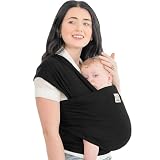
The Ergobaby Embrace and the BabyBjörn Mini are both soft carriers made for newborns, and neither needs a separate infant insert according to the makers’ published descriptions. The Embrace is commonly described as the more adjustable and cushioned option, while the Mini is commonly described as the simpler, more compact one. Which suits you depends on your body size, how long you want to use one carrier, and how much fiddling you accept. Specifications change, so check each manufacturer’s current weight range and instructions before buying.
The short verdict
Choose the Embrace if you want more adjustment room, a carrier that may grow with you through the early months, and a design that may feel more supportive for longer walks. Choose the Mini if you want something quick to put on, light to pack, and easy to share between two caregivers with a minimal learning curve.
These are general patterns, not guarantees. Fit varies between bodies, and individual babies prefer different positions. If possible, try both on in a shop with a weighted doll or your own baby before committing.
Side-by-side comparison
| Factor | Ergobaby Embrace | BabyBjörn Mini |
|---|---|---|
| Intended age | Newborn onward, no insert described | Newborn onward, no insert described |
| Listed weight range | Check current specifications (commonly about 7 to 25 lb) | Check current specifications (commonly similar) |
| Carry positions | Mainly inward-facing; check for other options | Inward-facing |
| Design feel | More fabric, wider body panel, more adjustments | Compact, fewer parts to adjust |
| Caregiver fit | Adjustable waist and straps; check size range | Adjustable straps; check size range |
| Care | Check label; often machine washable | Check label; often machine washable |
Notice how much of the table says “check.” That is deliberate, because both brands update models, fabrics and fit ranges over time, and a listing may show an older version.
Newborn support and positioning
A newborn carrier has one job above all: keep the baby upright, close, with the airway clear and the back supported. The ergonomic ideal many safety groups describe is a seated, spread-squat position with the knees at or above the hips and the fabric reaching from knee to knee. Both carriers are designed around this idea, but the width of the seat panel differs, and the panel should be spread to support the thighs without squeezing the legs.
Check the head and neck support in each design. A newborn cannot hold their head up, so look at how high the panel rises behind the head and how the neck support is secured. Whenever you carry, the baby’s chin should stay off the chest, the face should remain visible, and you should be able to lean forward and kiss the top of the head. If you cannot, loosen and reposition.
Adjustability and fit for the adult
Caregiver fit is where many carriers fail. Waist belts and shoulder straps have limited ranges, and a carrier that sits well on a slim parent may be too tight on a larger one, or the reverse. Look at the maximum belt or strap length in the listing, and compare it with your own waist measurement and shoulder width.
A quick worked example: suppose a parent has a 44-inch waist where the belt is hip-level, and the listing states a maximum belt length of 46 inches. That works, but with only two inches to spare, a bulky winter coat could make it too tight. If the listing offers a separate extender, factor that in. Always check what each maker offers for larger sizes, and whether a second caregiver of a different size can use the same unit.
If two people will share the carrier, prefer the one that is easiest to resize without tools or a long routine.
Comfort over time
Weight distribution matters more as the baby grows. A wider seat and panel usually spread the load, while padded straps and a supportive waistband move weight from shoulders to hips. A carrier can feel light at first and noticeably heavier near the upper weight limit, so consider how long you plan to carry on each outing.
- For short errands and indoor use, a compact carrier is often enough.
- For long walks, a supportive waist and wider shoulder straps help.
- For hot climates, consider fabric weight and whether a mesh version exists.
Materials, washing and breathability
Newborns overheat easily, so fabric thickness is not trivial. Cotton and breathable knits are commonly used, and some models offer a mesh option for warm weather. Read the care label, because some carriers are machine washable on a gentle cycle and some require air drying. Spit-up and diaper leaks are almost certain, so a carrier that can be washed regularly has a practical advantage.
Whatever you choose, dress the baby lightly. Your body heat and the carrier’s layers add warmth, and a baby should never be wrapped in extra padding inside the carrier.
How long will each last
Both carriers are commonly marketed for babies from birth up to roughly the 25 lb mark, a weight babies reach at very different ages. A carrier meant for the infant stage can be outgrown sooner than a toddler-capable one. Consider whether you want one carrier for the whole early phase, or whether you expect to move on to a carrier with a higher weight limit and an outward or hip position.
If long-term value matters, compare the maximum weight, the maximum height listed, and whether the maker publishes instructions for older babies.
Safety basics for any soft carrier
Whatever you buy, a simple checklist keeps newborn carrying safer. A widely shared rule of thumb is the TICKS checklist from sling safety groups:
- Tight: the fabric holds the baby snugly against your body, with no slack that lets the baby slump.
- In view at all times: you can see the baby’s face by glancing down, and fabric never covers it.
- Close enough to kiss: the head sits high enough that you could lower your chin and kiss the forehead.
- Keep chin off the chest: leave at least a finger’s width of space under the chin so the airway stays open.
- Supported back: the baby’s spine keeps a natural curve, with the panel held firmly against it.
Re-check these points after you adjust, after feeding, and any time the baby changes position. Stop and remove the baby if breathing looks labored, skin color changes, or the baby is hard to wake.
Which one suits which situation
- Parents who want one carrier for the early months and plan on long outings: the more adjustable, more cushioned option.
- Parents who want quick on-and-off for errands or for sharing with a partner: the simpler, more compact one.
- Parents of different sizes: whichever has a broader published adult size range.
- Warm-climate families: look for mesh or lightweight fabric options.
- Premature or very small babies, or babies with medical concerns: ask a pediatrician before using any carrier.
What to check before you buy
- The current minimum and maximum baby weight, and any height guidance.
- Whether the listing says an insert is required for newborns.
- The adult waist and strap range.
- Washing instructions.
- Return policy, so you can swap if the fit is poor.
- Whether the instructions and safety warnings are easy to read and follow.
Follow the manufacturer’s instructions every time, and never use a carrier while cooking, driving, or doing anything that risks a fall.
Related guides
- How To Put On A Baby Wrap Carrier Step By Step
- Baby Carrier For Toddlers Over 30 Lbs
- When Can A Baby Face Outward In A Carrier
Frequently asked questions
Do the Ergobaby Embrace and BabyBjörn Mini need an infant insert?
According to the makers’ published descriptions, both are designed to be used from birth without a separate insert. Rules and recommendations can change, so check the current instructions for the exact model and version you buy, and follow the minimum weight guidance. Very small or premature babies may need extra care, so if you have doubts, ask your pediatrician before the first use.
Which is easier to put on?
The simpler, more compact design is generally quicker to learn, because it has fewer parts to adjust. The more adjustable design takes a few practice runs but can fit more bodies. Practice with a weighted doll or a soft toy before the first outing, and keep the manufacturer’s instructions handy. Once you have the routine, either carrier takes only a minute or two.
Can both caregivers share one carrier?
Often yes, provided the adult size ranges overlap. Check the maximum strap and belt lengths against both people’s measurements. If one caregiver is much larger or smaller, look for an extender or a model with a wider adjustment range, and re-adjust properly every time the carrier changes wearers. Never hand over a carrier with the baby already inside without checking that the straps and belt fit the new wearer.
Is a carrier safe for newborns?
Carriers can be used with newborns when worn correctly, but safety depends on position. Keep the baby upright and snug, face visible, chin off the chest, and airway clear. Follow the manufacturer’s weight range and instructions, and talk to a pediatrician about premature babies or any medical conditions. Check the fit again whenever the baby shifts.
How can you tell when a baby has outgrown the carrier?
Compare the baby’s current weight and height with the limits in the instruction manual. Signs of outgrowing include the baby’s head rising above the panel, the carrier feeling uncomfortable on the legs, or the weight exceeding the listed range. When any of these appear, stop using it and move to a carrier made for older babies, rather than stretching the limits.






Write Your Review
No reviews yet. Be the first to share your experience!