
Key takeaways
- Safe Sleep Zone: 1 dedicated firm bassinet or crib, 2 to 3 fitted waterproof mattress sheets, and 3 to 4 hook-and-loop or zip-up swaddles.
- Diapering Station: 2 to 3 large boxes of Newborn and Size 1 diapers, unscented water-based baby wipes, 1 tube of zinc-oxide barrier cream, and 1 dedicated odor-sealing diaper pail.
- Nourishment Essentials: 4 to 6 anti-colic feeding bottles ($4\text{ to }5\text{ oz}$ capacity), 8 to 12 absorbent cotton burp cloths, a silicone manual breast pump or electric pump, and 1 non-toxic bottle brush.
- Mobility & Transit: 1 rear-facing infant car seat with an adjustable vehicle base, 1 compatible everyday stroller or infant car seat frame, and 1 ergonomic soft fabric baby wrap.
- Basic Wardrobe: 5 to 7 dual-zipper sleepers (avoid snaps), 5 short-sleeve bodysuits, 3 pairs of scratch mittens, and 2 soft cotton beanies.
- First-Aid & Grooming: 1 digital rectal/underarm thermometer, 1 nasal aspirator, infant acetaminophen (consult pediatrician for dosage), and an electric infant nail trimmer.
What's inside
- Core Baby Checklist: How to Prioritize by Category
- Safe Sleep Essentials: Setting Up the Nursery
- Diapering and Hygiene: Daily Practical Gear
- Infant Feeding: Breast, Bottle, and Burp Essentials
- Transit and Travel: Safe Transport from Day One
- Baby Gear Buying Guide: Evaluation Framework
- Frequently Asked Questions
- Conclusion
Welcoming a newborn is thrilling, but endless gear lists create unnecessary clutter and high costs. This complete baby essentials guide highlights certified, practical must-haves across sleep, feeding, diapering, and travel. Learn exactly what to prioritize and what to skip for a serene nursery that protects your sanity and budget.
- Core Baby Checklist: How to Prioritize by Category
- Safe Sleep Essentials: Setting Up the Nursery
- Diapering and Hygiene: Daily Practical Gear
- Infant Feeding: Breast, Bottle, and Burp Essentials
- Transit and Travel: Safe Transport from Day One
- Baby Gear Buying Guide: Evaluation Framework
- Frequently Asked Questions
- Conclusion
Core Baby Checklist: How to Prioritize by Category
Preparing for an infant requires sorting genuine necessities from clever marketing gimmicks. Prioritizing certified safe sleep, ergonomic transport, structured feeding tools, and basic diaper care ensures you build a functional nursery without draining savings or crowding living spaces with unused gear before delivery.
+---------------------+----------------------------+-----------------------------+
| Category            | Absolute Non-Negotiables   | Nice-to-Have / Optional     |
+---------------------+----------------------------+-----------------------------+
| Safe Sleep          | Bassinet or Crib + Mattress| Video Monitor, Sound Unit   |
| Diapering & Hygiene | Diapers, Wipes, Diaper Pail| Wipe Warmer, Changing Table |
| Infant Nutrition    | Bottles, Burp Cloths, Pump | Bottle Warmer, Sterilizer   |
| Safe Transport      | Infant Car Seat, Stroller  | Stroller Caddy, Footmuffs   |
| Soothing & Health   | Swaddles, Thermometer, Snot| Automated Swings, Rockers   |
+---------------------+----------------------------+-----------------------------+
Essential Checklist for the First 90 Days
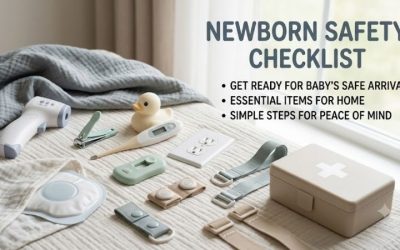
- Safe Sleep Zone: 1 dedicated firm bassinet or crib, 2 to 3 fitted waterproof mattress sheets, and 3 to 4 hook-and-loop or zip-up swaddles.
- Diapering Station: 2 to 3 large boxes of Newborn and Size 1 diapers, unscented water-based baby wipes, 1 tube of zinc-oxide barrier cream, and 1 dedicated odor-sealing diaper pail.
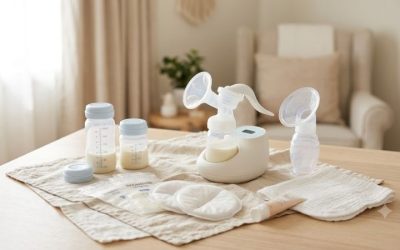
- Nourishment Essentials: 4 to 6 anti-colic feeding bottles ($4\text{ to }5\text{ oz}$ capacity), 8 to 12 absorbent cotton burp cloths, a silicone manual breast pump or electric pump, and 1 non-toxic bottle brush.
- Mobility & Transit: 1 rear-facing infant car seat with an adjustable vehicle base, 1 compatible everyday stroller or infant car seat frame, and 1 ergonomic soft fabric baby wrap.
- Basic Wardrobe: 5 to 7 dual-zipper sleepers (avoid snaps), 5 short-sleeve bodysuits, 3 pairs of scratch mittens, and 2 soft cotton beanies.
- First-Aid & Grooming: 1 digital rectal/underarm thermometer, 1 nasal aspirator, infant acetaminophen (consult pediatrician for dosage), and an electric infant nail trimmer.
Safe Sleep Essentials: Setting Up the Nursery
Newborns spend up to sixteen hours sleeping each day, making safe nursery gear your primary investment. Pediatric guidelines stress a separate, firm, and flat sleeping surface free from loose bedding, soft bumpers, or bulky toys to eliminate suffocation risks and promote restorative, uninterrupted nighttime rest.

1. Halo BassiNest Swivel Sleeper 3.0
- Best For: Parents wanting bedside proximity with effortless c-section recovery access.
- Key Features: $360^\circ$ smooth pivot rotation, lowering bedside mesh wall with lock mechanism, sturdy four-point low-profile base that tucks under beds, and breathable full-mesh perimeter walls.
- Pros: Allows pulling your baby directly over the mattress for nighttime feeds without standing up; full mesh walls maximize airflow and visual contact; bed base adjusts from $22\text{ to }34\text{ inches}$.
- Cons: Substantial metal base footprint takes up noticeable floor space; child outgrows unit at $20\text{ lbs}$ or as soon as they push up on hands and knees.
- Use Case: Placing right next to adult mattresses for secure bedside room-sharing during the initial four to six months.
- Who It’s For: Postpartum mothers recovering from delivery and parents living in single-level bedrooms prioritizing immediate proximity.
Diapering and Hygiene: Daily Practical Gear
Newborn babies go through eight to twelve diaper changes each day during the first two months. Having an organized, sanitizable changing zone with dedicated disposal prevents foul odors, maintains proper skin hygiene, and streamlines frantic middle-of-the-night cleanups without requiring costly novelty accessories.
2. Ubbi Steel Odor Locking Diaper Pail
- Best For: Long-term nursery odor containment using everyday standard trash bags.
- Key Features: Non-porous powder-coated steel construction, rubber airtight sealing gaskets, sliding top lid with childproof safety lock, and universal trash bag compatibility.
- Pros: Steel does not absorb pungent sour milk or dirty diaper odors like porous plastic pails; uses standard $13\text{-gallon}$ tall kitchen garbage bags instead of expensive proprietary cartridge refills.
- Cons: Sliding lid mechanism can feel stiff when opening one-handed; requires occasional wipe-downs to prevent interior condensation buildup.
- Use Case: Containing dozens of soiled diapers in compact nurseries or master bedrooms without chemical fragrances or leaks.
- Who It’s For: Budget-conscious parents who want maximum nursery odor defense without paying an ongoing subscription tax for custom liner bags.
Infant Feeding: Breast, Bottle, and Burp Essentials
Whether you choose breastfeeding, formula, or combination feeding, the right supplies reduce gas pains, prevent spit-up, and save considerable preparation time. Starting with reliable, anti-colic essentials ensures infant comfort while protecting caregivers from purchasing redundant feeding accessories early on.
3. Philips AVENT Natural Response Baby Bottles
- Best For: Smooth combination feeding and reducing infant gas and reflux symptoms.
- Key Features: Unique nipple tip valve that releases milk only when the infant actively swallows, wide breast-shaped silicone teat, and integrated anti-colic venting system.
- Pros: Eliminates messy leaks when tipped upside down; allows infants to control their own feeding pace similarly to breastfeeding; simple four-piece construction makes daily washing quick.
- Cons: Slower flow rates on Stage 1 nipples require some trial-and-error adjustment depending on infant suction strength.
- Use Case: Paced infant feeding for newborns alternating between direct latching and expressed milk or formula feedings.
- Who It’s For: Parents seeking dependable, easy-to-clean bottles that minimize infant gas without complex interior straws or tiny valves.
Transit and Travel: Safe Transport from Day One
Hospitals legally require an approved infant car seat before discharging your newborn, making vehicle safety hardware an urgent acquisition. Pairing a dependable car seat with an intuitive travel stroller lets you navigate appointments, errands, and neighborhood walks safely without disturbing precious infant sleep cycles.
4. Chicco KeyFit 35 Infant Car Seat
- Best For: Foolproof vehicle installation and extended rear-facing infant safety.
- Key Features: SuperCinch force-multiplying latch tightener, integrated anti-rebound bar, European belt routing for taxi rides, and fit range from $4\text{ to }35\text{ lbs}$ up to $32\text{ inches}$ tall.
- Pros: Universally recognized ease-of-installation with bubble level indicators; anti-rebound bar increases stability and provides an additional $1.5\text{ inches}$ of legroom; compatible with dozens of stroller brands via adapters.
- Cons: Seat weighs $10\text{ lbs}$ without the base, which feels heavy when carried over extended distances on one arm.
- Use Case: Safely transporting newborns home from the maternity ward and securing infants into cars with or without the included latch base.
- Who It’s For: First-time parents who prioritize verified crash protection and simple, error-free car installation.
Baby Gear Buying Guide: Evaluation Framework
Evaluating baby gear through objective criteria prevents impulse purchases driven by anxiety or trendy social media recommendations. Weighing verifiable safety certifications, cleanability, space footprints, and realistic usability lifespans ensures every item delivers reliable daily value through developmental milestones.
- What: Essential baby hardware and accessories designed with medical-grade, non-toxic materials, JPMA or CPSC safety certifications, and functional ergonomics.
- Why: Uncertified or overly complicated gadgets create nursery clutter, collect dust, and complicate infant routines during already demanding early weeks.
- Who: New and expecting caregivers who require streamlined, safe, and easily maintainable infant gear tailored to their budget and home layout.
- Trade-Off: Opting for modular, multi-stage gear (like convertible cribs or travel systems) often requires a higher upfront financial investment, but saves hundreds of dollars over three to five years by eliminating the need to buy secondary replacement items.
Frequently Asked Questions
Preparing your home for an infant inevitably brings practical questions about timing, budgeting, and item redundancy. Clarifying these critical registry inquiries helps you bypass common first-time parenting pitfalls, avoid overspending, and curate a focused assortment of essentials tailored to your living environment.
What baby items can expecting parents safely skip?
Wipe warmers, dedicated shoe collections, infant bath robes, and specialized electric wipe dispensers can be safely omitted. Wipe warmers dry out moisture packets and harbor bacterial growth, while newborns do not walk and outgrow miniature shoes within weeks. A warm washcloth and standard footed sleeper serve the same functions with zero extra expense.
When is the ideal time to buy or register for baby essentials?
Aim to complete your primary baby registry by the end of your second trimester (around weeks $24\text{ to }28$). This timeline provides friends and family adequate time to select gifts for baby showers, leaves a comfortable buffer to organize nursery storage, and allows you to utilize completion discount codes for remaining essentials around week $32$.
How many newborn outfits do you actually need?
Prepare five to seven dual-zipper sleepers and five short-sleeve bodysuits in newborn size. Because babies often gain weight rapidly and may jump to Size $0\text{–}3\text{ months}$ within three to four weeks, keeping your newborn-sized wardrobe modest prevents unwashed garments from being outgrown before ever being worn.
Conclusion
Building a nursery does not require buying every baby gadget on the market. Grounding your registry in this complete baby essentials guide protects your budget and sanity. Prioritize a safe crib, vented feeding bottles, practical diapering, and a secure car seat to create a serene, clutter-free space for your newborn.







Write Your Review
No reviews yet. Be the first to share your experience!