
Key takeaways
- Table of Contents 4 sections 8 min read 1 How to Choose Baby Carriers 1.1 Structural Support and Framing Type 1.2 Newborn Weight Minimums and Insert Requirements 1.3 Ergonomic Hip and Spine Alignment 1.4 Fabric Breathability and Maintenance 2 Top…
Babywearing Checklist steps protect new parents from the painful trial and error of buying ill-fitting baby carriers that strain the back. Most first-time shoppers struggle with tricky harness buckles, confusing long wraps, and poor infant ergonomics. This practical guide helps you navigate each critical feature with total confidence.
How to Choose Baby Carriers
Our detailed babywearing checklist breaks down hands-on testing data across weight ratings, ergonomic positioning, lumbar support systems, and washable fabrics. You will learn how each structural design impacts daily comfort so you can invest in a secure infant carrier that fits your lifestyle and protects your posture through toddlerhood.
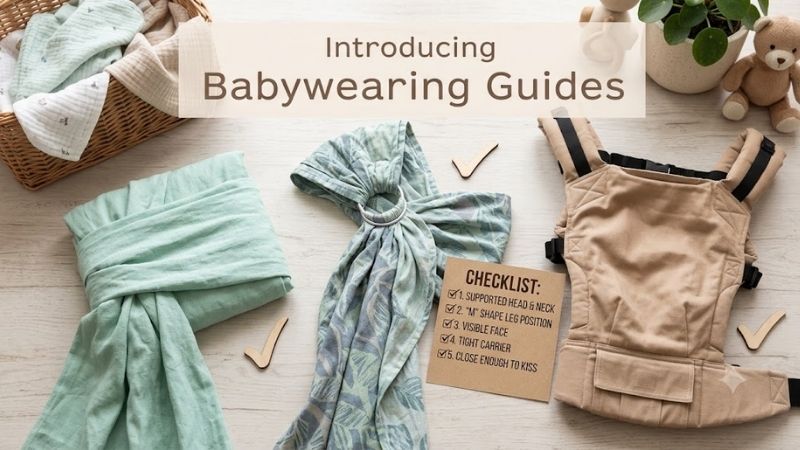
Structural Support and Framing Type
A complete babywearing checklist starts by evaluating structural framing, which separates soft fabric wraps from structured buckle carriers. Structured carriers utilize firm padded waistbands and molded shoulder straps to transfer infant weight directly to your hips. This weight displacement reduces shoulder strain during lengthy daily neighborhood walks.
Fabric wraps offer customized womb-like snugness for quiet indoor bonding but require patience to tie properly and shift weight across upper shoulders. Buckle systems trade that fluid softness for rapid clipping, sturdy side stability, and dependable back support. Busy parents who want fast transitions should select the versatile Ergobaby Omni 360.
Newborn Weight Minimums and Insert Requirements
Newborn harness compatibility determines whether you can wear your infant safely on day one without purchasing bulky supplementary inserts. Standard carriers often require an extra infant cushion until a baby reaches twelve pounds, which adds uncomfortable warmth. Choosing a model designed to fit seven-pound infants avoids this awkward extra bulk.
Carriers with built-in adjustments use interior button tabs or seat sliders to narrow the base for small legs without added padding. While modular carriers accommodate growing toddlers up to forty-five pounds, dedicated infant carriers optimize early chest fit. For seamless newborn wear straight from the hospital, pick the BabyBjörn Carrier Mini.
Ergonomic Hip and Spine Alignment
Every verified babywearing checklist prioritizes deep seat geometry that supports an infant’s natural spinal curve and pelvic tilt. A carrier must support thighs from knee pit to knee pit, keeping knees raised higher than the hips in an ergonomic M-shape. This seated position prevents joint strain and encourages optimal hip socket growth.
Narrow crotch carriers cause infant legs to dangle downward, placing excessive pressure on immature hip joints during growth spurts. Wide adjustable seat panels preserve healthy skeletal development across stages but require width adjustments as baby grows. To safeguard developing hips through each physical leap, choose the Baby Tula Explore.
Fabric Breathability and Maintenance
Fabric construction directly controls internal heat retention, moisture management, and daily laundering ease for active caregivers. Layering dense synthetic textiles against your chest generates intense body heat, which can quickly overheat a young infant. Lightweight cotton textiles promote continuous airflow while cushioning delicate baby skin.
Synthetic fabrics repel spills effectively but trap body warmth, whereas natural cotton absorbs perspiration during humid outings. While structured models feature buckles that clatter in laundry cycles, pure fabric wraps wash effortlessly. Caregivers wanting breathable French terry cotton softness should pick the Boba Classic Baby Wrap.
Top Picks
Applying an objective babywearing checklist against real parent testing reveals significant performance differences across top infant carriers. We analyzed hardware durability, lumbar weight dispersion, washing resilience, and ergonomic hip support to identify four market leaders that solve unique lifestyle and developmental carrying needs.
| Product | Best For | Key Spec | Watch Out For |
|---|---|---|---|
| Ergobaby Omni 360 | Best Overall | 7–45 lbs; 4 Carry Positions | Bulky side buckles |
| Boba Classic Baby Wrap | Best Value | 7–35 lbs; 95% French Terry Cotton | Lengthy fabric trail |
| BabyBjörn Carrier Mini | Best for Newborns | 7–24 lbs; Front Carry Only | Limited toddler lifespan |
| Baby Tula Explore | Best Ergonomic Versatility | 7–45 lbs; 3 Width Settings | Stiff unpadded waistband |
Ergobaby Omni 360
Standing out on our babywearing checklist as the best overall carrier, the Ergobaby Omni 360 serves active parents seeking an all-in-one carrying solution from seven to forty-five pounds. Its firm lumbar support pad distributes torso weight evenly, while crossable shoulder straps ensure a secure customized fit for varied adult builds.
The carrier offers four ergonomic carry modes without requiring a separate infant cushion, providing dependable hip positioning at every developmental stage. However, the thick dual-adjustment side buckles require two hands and considerable force to unfasten, which makes taking off the carrier while your infant sleeps somewhat noisy and stiff.
Boba Classic Baby Wrap
Tailored for budget-conscious parents and gentle fourth-trimester bonding, the Boba Classic Baby Wrap supports infants from seven up to thirty-five pounds. Crafted from soft French terry cotton blended with five percent spandex, the fabric delivers consistent multidirectional stretch that retains its firm shape without sagging under heavy baby weight.
This wrap cradles newborns in a snug custom contour that soothes fussy colic while keeping your hands free for everyday home routines. The notable drawback is the five-meter fabric length, which frequently sweeps dirty parking lot surfaces during carside wrapping and requires a steep learning curve before mastering proper torso tension.
BabyBjörn Carrier Mini
Engineered specifically for the initial months of infancy, the BabyBjörn Carrier Mini comfortably accommodates tiny infants from seven to twenty-four pounds. Its compact two-part construction lets parents unlatch the front panel completely to transfer a resting baby into a bassinet without waking them or unbuckling the primary shoulder harness.
The ultra-soft certified cotton fabric fits closely against small newborn frames, ensuring unobstructed airway visibility and proper high-chest positioning. Nevertheless, lacking a supportive waist belt means the entire infant weight rests on your shoulders, leading to noticeable upper back fatigue once your baby reaches fifteen pounds.
Baby Tula Explore
Designed for parents who want lasting versatility without complicated insert accessories, the Baby Tula Explore easily accommodates seven to forty-five pounds. The carrier features three adjustable seat width settings and two supportive neck pillow heights, maintaining a healthy ergonomic position whether your baby faces inward or outward.
Its premium printed cotton canvas easily withstands repeated washing machine cycles while retaining structural firmness across years of toddler outings. On the downside, the extra-wide padded waistband is notably stiff right out of the box, which can dig uncomfortably into petite torsos or pelvic bones during seated nursing and car rides.
Frequently Asked Questions
Consulting an experienced babywearing checklist addresses critical questions regarding newborn posture, safe daily usage limits, and ergonomic hip alignment. We compiled direct answers to the four most pressing concerns parents face, pairing evidence-based safety rules with practical tips to ensure comfortable everyday carrying experiences.
When Can a Newborn Start Being Carried in a Baby Carrier?
A newborn can be carried immediately from birth provided they weigh at least seven pounds and meet carrier manufacturer minimums. Following a safe babywearing checklist ensures your infant stays positioned fully upright with an open airway and supported chin, avoiding dangerous slumping where the chin rests directly against the baby’s chest.
Premature infants or small babies under seven pounds require pediatrician clearance before using any standard carrier or stretchy wrap. For healthy full-term infants, always ensure the baby is worn high on your chest so you can easily kiss the top of their head without straining your neck or loosening your shoulder harness straps.
How Long Can a Baby Safely Stay in a Carrier Each Day?
A baby can safely stay in a carrier for up to two consecutive hours before needing a movement break for joint circulation and feeding. Pausing every two hours allows infants to stretch their hips, relieves concentrated pressure on adult shoulders, and lets caregivers check skin temperature and diaper status in neutral resting positions.
There is no strict limit on the cumulative hours you may wear a baby across a full day as long as you take regular breaks. If your baby falls asleep during an outing, monitor their breathing continuously, verify their face remains clear of all fabric, and gently reposition their torso if their posture begins to sag or lean sideways.
When Is a Baby Ready to Face Forward in a Carrier?
Babies are ready to face forward only when they reach five to six months of age and possess complete, independent head and neck control. Forward-facing positions place different developmental demands on immature neck muscles, requiring infants to steady their own heads against adult walking movement without slumping forward at all.
Limit outward-facing sessions to twenty or thirty minutes to prevent infant sensory overload and excessive outward spinal curvature. Never let an infant sleep while facing forward; always rotate them back inward toward your chest before naptime to ensure proper chin clearance, steady torso support, and unhindered airway monitoring.
How Do You Know If a Baby Carrier Fits Ergonomically?
A carrier fits ergonomically when your baby sits in a deep squat with their knees positioned noticeably higher than their bottom in an M-shape. This ergonomic alignment ensures the infant’s thighs are fully supported across the wide seat base, preventing leg dangling that stresses immature hip joints during extended everyday wear.
For the adult wearer, an ergonomic fit means the waistband sits firmly against your pelvic bones without sliding or digging into your lower ribs. Shoulder straps should feel snug enough to hold the baby close to your center of gravity without pinching, allowing you to walk upright without leaning backwards or arching your spine.
Final Thoughts
Following a structured babywearing checklist eliminates guesswork so you can carry your infant safely, comfortably, and with lasting peace of mind. Selecting a trusted model that matches your daily routine, climate, and child’s weight ensures hands-free convenience while building deep attachment throughout your parenting journey.










Write Your Review
No reviews yet. Be the first to share your experience!