
Key takeaways
- Choosing between a carrier waistband and a hip seat is less about picking the “best” baby gear and more about deciding how you move through daily life. A waistband-style carrier spreads a child’s weight across your waist, shoulders, and torso,…
Choosing between a carrier waistband and a hip seat is less about picking the “best” baby gear and more about deciding how you move through daily life. A waistband-style carrier spreads a child’s weight across your waist, shoulders, and torso, while a hip seat creates a firm platform under the child and lets you carry with less fabric around your upper body.
That difference affects comfort, storage, ease of use, appearance, and how practical each option is inside your home. A parent who needs both hands free for a walk may prefer a supportive carrier waistband. Someone lifting a toddler for short stretches around the kitchen, stairs, or playground may appreciate the quick access of a hip seat. This comparison breaks down the carrier waistband vs hip seat decision for real homes in 2026.
Our top picks

As an Amazon Associate we earn from qualifying purchases at no extra cost to you. Ratings are shown as listed on Amazon.
Quick Verdict
Choose a carrier waistband if you want hands-free carrying, longer wear, or a closer fit for a smaller baby. It is generally the more secure choice for walks, travel, and chores that require both hands.
Choose a hip seat if you frequently lift a baby or toddler on and off, want faster setup, or dislike the pressure of shoulder straps. A hip seat is especially useful for short trips around the house, errands, and children who want to alternate between being carried and walking.
For many families, the practical answer is not either-or. A structured carrier with a waistband can cover longer carrying sessions, while a hip seat can handle quick lifts and transitions.
Side by Side
| Factor | Carrier Waistband | Hip Seat |
|---|---|---|
| Comfort | Distributes weight through the waist, shoulders, and back; better for extended carrying when adjusted correctly. | Reduces shoulder strain but concentrates more force at the waist and hips; best for shorter sessions. |
| Durability | Usually includes buckles, webbing, padded panels, and multiple adjustment points; inspect stitching and hardware regularly. | Typically has a reinforced seat, firm base, and storage compartments; foam-free designs can reduce bulk and compression concerns. |
| Price range | About $40–$250, depending on fabric, newborn support, structure, and included panels. | About $30–$150, with premium branded models costing more than basic seat-only designs. |
| Maintenance | More fabric and straps mean more washing instructions and more areas where crumbs can collect. | Usually quicker to wipe down, though a padded waistband and pockets may still require occasional machine washing. |
| Space needed | Roughly 10–18 inches when folded, depending on the panel and hood; it may need a dedicated hook or drawer. | Often about 8–14 inches wide and deeper than a soft carrier because of the seat platform. |
| Look | More like technical outdoor gear, with visible straps and buckles. | Can look more streamlined around the torso, although the seat creates a noticeable side profile. |
| Resale | Retains value when clean, complete, and free from stretched elastic or damaged buckles. | Can resell well if the seat surface, waistband, and safety components remain in good condition. |
| Best for | Hands-free walks, travel, housework, naps, and longer carrying periods. | Quick lifts, toddlers, frequent up-and-down transitions, and shoulder-sensitive caregivers. |
| Typical carrying range | Varies widely by model; some support newborns, while others begin around 8 pounds and extend into toddler years. | Often intended for babies and toddlers; some products advertise support up to 45 pounds, subject to fit and safety instructions. |
Where Carrier Waistband Wins
A carrier waistband is the stronger all-purpose option when your priority is stability. The waist belt anchors the carrier to your pelvis, while shoulder straps and the body panel keep the child close to your center of gravity. When fitted properly, this arrangement can make a child feel lighter because the load is shared across several parts of the body.
It is also the better choice when you need both hands free. Preparing a meal, carrying groceries, folding laundry, or walking outdoors is easier when the child is secured rather than simply perched on one side. A waistband-style carrier can be particularly useful for babies who nap in transit or become unsettled when they cannot see the caregiver.
Look for a padded waistband that fastens securely and adjusts to your body. Many models fit waists in an approximate 25–55-inch range, but sizing varies. A carrier should sit on the wearer’s hips or at the natural waist according to its instructions, without digging into the ribs or sliding toward the thighs.
The tradeoff is setup. A carrier waistband has more straps and adjustment points, and getting a good fit can take several attempts. It also feels warmer than a seat-only design because more material covers both caregiver and child.
Where Hip Seat Wins
A hip seat is designed for convenience. The child sits on a firm, slightly angled platform attached to a wide waistband, while the caregiver supports the child with one arm. Some versions add a removable panel or shoulder straps, allowing the seat to function more like a conventional carrier when needed.
This format shines during repetitive up-and-down moments: moving a toddler from the car to the house, soothing a child in the kitchen, or carrying a baby briefly through a store. You can often put it on faster than a full carrier, and there is less fabric to position around the child.
Hip seats can also help caregivers who dislike shoulder pressure. The seat transfers much of the child’s weight to the waist and hip area instead of pulling across the shoulders. However, that does not mean the load disappears. A child weighing 25–35 pounds can still create substantial pressure on one side of the body, especially if carried for 30 minutes or more.
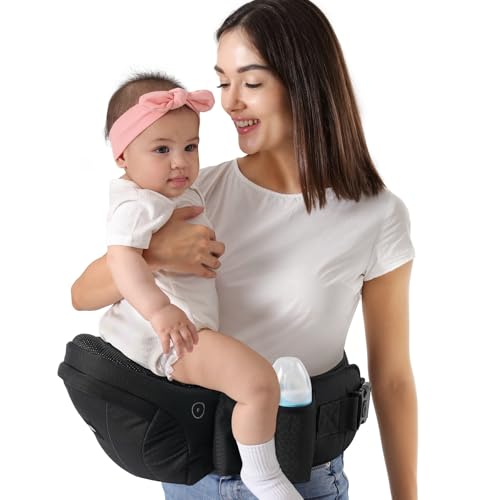
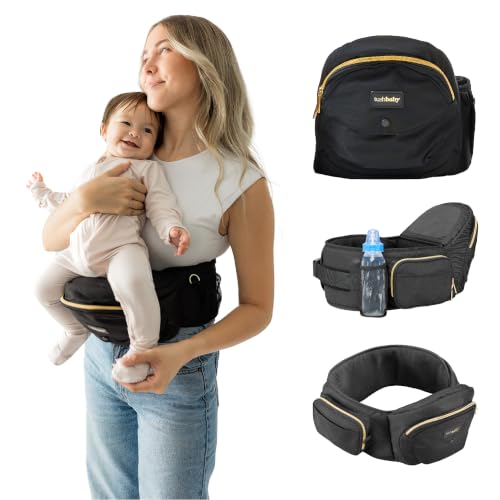
Products in this category range from basic seat-only designs to more complete systems. The HKAI Baby Hip Carrier, for example, is described with an adjustable waistband, breathable mesh, and a non-slip hip seat surface. Tushbaby’s Original Hip Seat is listed for babies and toddlers up to 45 pounds and is available in black and gold at $63.70 and grey at $84.99 in the referenced listings. These price differences show why color, seller, and configuration should be checked rather than assuming every version costs the same.
Cost Over 5 Years
Over five years, the purchase price is only part of the calculation. A carrier waistband commonly costs about $40–$250, while a hip seat commonly costs about $30–$150. A $35 hip seat used for occasional lifts may be the lowest-cost solution, but a $150 model may provide better adjustment, storage, or a removable panel for multiple stages.
Consider cost per use. A $100 carrier used three times a week for three years equals roughly 468 uses, or about 21 cents per use before resale. A $65 hip seat used twice a week for two years equals about 208 uses, or roughly 31 cents per use. These examples are estimates, not guarantees, but they show why the cheapest purchase is not always the least expensive choice.
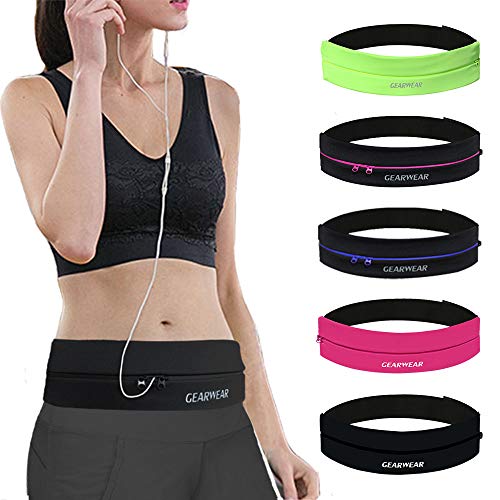
One inexpensive accessory should not be confused with a child carrier. The GEARWEAR Running Belt is listed at $12.99 and is intended for carrying items such as a phone, passport, or workout essentials. It may be useful for household or travel storage, but a fanny pack or travel waistband does not provide the child support, load distribution, or safety features of a baby carrier or hip seat.
Budget for a wash bag, replacement buckles only when approved by the manufacturer, and possibly a second carrier for another caregiver. Avoid buying a used carrier with missing instructions, damaged webbing, cracked buckles, or an uncertain history.
Which One for Your Home
Small apartment
A hip seat usually wins when storage is limited and carrying happens in short bursts. It can live in an entryway basket or a shallow closet shelf, provided the seat is not crushed under heavy items. Choose a carrier waistband instead if your apartment routine includes frequent stairs, long walks, or chores that require both hands.
Family with kids or pets
A carrier waistband offers more security when you are managing a dog leash, a second child, or bags at the same time. The child stays close and supported while your free hand handles another task. A hip seat works well as a secondary option for quick lifts, but it generally demands one hand for steady support.
Rental
Both options are rental-friendly because they require no installation or changes to the home. For shared laundry rooms, travel, and frequent moves, a wipeable hip seat can be convenient. If you carry outdoors often, choose a waistband carrier with removable, washable fabric and hardware that can be inspected easily.
Long-term home
Invest in the format that matches your daily pattern rather than the room itself. A carrier waistband is the better long-term value for frequent walks, infant naps, and hands-free tasks. A hip seat is the better value for toddler years, frequent transitions, and caregivers who want a simpler routine. If your family moves through both stages, a modular design may reduce the need to buy two separate carriers.
FAQ
Is a carrier waistband safer than a hip seat?
Neither is automatically safer. Safety depends on the product’s design, the child’s age and size, correct positioning, and following the manufacturer’s instructions. A waistband carrier generally provides more hands-free containment, while a hip seat usually requires active arm support unless it includes a properly fitted panel.
Can a hip seat replace a full baby carrier?
Sometimes, but not for every family. A hip seat is excellent for brief carrying and children who want frequent breaks. It may not replace a full carrier for newborn use, long walks, naps, or situations where you need both hands free. Check whether the specific model includes newborn support and a secure panel.
How long can a child stay in either option?
There is no universal time limit. Start with short sessions and watch for pressure, slumping, overheating, or discomfort. Reposition the child and take breaks, particularly with a hip seat, which can place more load on one side of the caregiver’s body.
What should I check before buying?
Confirm the minimum and maximum child weight, waist-size range, seat width, washing method, buckle quality, and whether the carrier supports front, back, or hip positions. Measure your storage area as well: a carrier that is difficult to put away is less likely to become part of your everyday home routine.


Write Your Review
No reviews yet. Be the first to share your experience!