
Key takeaways
- Unassisted Sitting: Your child must sit completely unassisted for several minutes, proving their core muscles can reliably support their own torso if they shift backward.
- Strong Neck Control: Without your chest to lean against, a baby must actively stabilize their heavy head against sudden movements or the wearer’s fast walking momentum.
- Height and Airway Clearance: The child’s chin must clear the top panel of your specific carrier brand, completely preventing the fabric from restricting vital oxygen flow.
What's inside
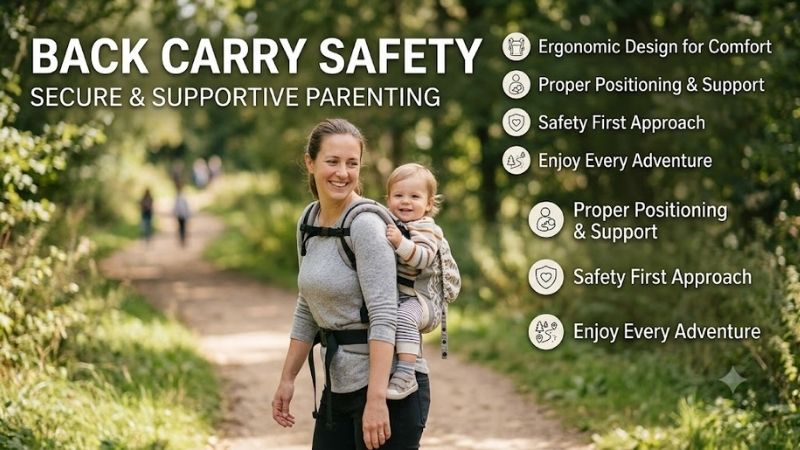
Transitioning your growing toddler to a rear-facing position brings newfound freedom, but mastering back carry safety is crucial. You must ensure independent sitting and proper airway clearance to prevent injuries. Discover the vital milestones and secure loading techniques to confidently carry your child while keeping them perfectly protected.
Crucial Developmental Milestones for Back Carrying
Before attempting any rear-facing position, your baby must meet strict physical requirements to guarantee proper spinal support. Moving a child prematurely risks severe positional asphyxiation. Recognizing these vital developmental markers ensures a perfectly secure, incredibly comfortable outdoor experience for both you and your growing toddler.
- Unassisted Sitting: Your child must sit completely unassisted for several minutes, proving their core muscles can reliably support their own torso if they shift backward.
- Strong Neck Control: Without your chest to lean against, a baby must actively stabilize their heavy head against sudden movements or the wearer’s fast walking momentum.
- Height and Airway Clearance: The child’s chin must clear the top panel of your specific carrier brand, completely preventing the fabric from restricting vital oxygen flow.
Step-by-Step Safe Loading Techniques
Mastering the physical transition from your front to your back requires patience, practice, and a soft surface during initial attempts. Utilizing established methods minimizes the risk of sudden drops while keeping straps properly aligned, seamlessly distributing the child’s heavy weight evenly across your own shoulders and lower lumbar region.
- The Hip Scoot Method: Secure the waist belt, place your baby on your hip, and slide the carrier panel up. Maintain a firm grip and slowly rotate the belt around your waist.
- The Superman Toss: Grip your child under their armpits, gently swing them onto your back, and quickly pull the carrier panel up while leaning forward to maintain balance.
- The Chair Method: Have a partner place the child into the carrier while you are seated in a sturdy chair, completely eliminating the risk of dropping the baby during rotation.
Maintaining the Ergonomic M-Shape Posture
Achieving the correct ergonomic seating alignment remains just as important on your back as on your chest. An improper seat restricts healthy hip joint development and alters your gravity center. Confirming this structural support actively prevents long-term joint dysplasia and significantly reduces maternal lower back exhaustion during hikes.
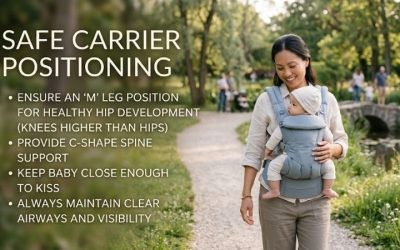
- Knees Above Bottom: Ensure the carrier fabric stretches completely from knee pit to knee pit. Their knees should sit noticeably higher than their buttocks, creating a deep pocket.
- The Pelvic Tuck: Once loaded, reach back and gently scoop their thighs upward. This rotates their pelvis toward your back, creating the ideal, natural C-curve in their spine.
- Continuous Monitoring: Always use a reflective window or your phone’s selfie camera to verify their chin is lifted off their chest and their face remains completely visible.
Buying Guide: Selecting the Right Gear
Not all baby carriers are structurally engineered to handle the unique physics of rear-facing loads safely. Evaluating specific material density, strap configurations, and weight limits ensures you invest in reliable equipment. The right gear transforms heavy toddlers into manageable companions for extended outdoor adventures and daily chores.
Soft Structured Carriers (SSCs)
- What: Buckle-based carriers featuring heavily padded waistbands, thick shoulder straps, and connecting chest clips.
- Why: They provide superior lumbar support and lock the shoulder straps into place, preventing slipping during heavy carries.
- Who: Active parents carrying toddlers who need rapid loading for errands, commuting, or mountain trail hiking.
- Trade-off: They are bulkier to store, and the thick padding can become notably less breathable in extreme summer humidity.
Woven Wraps
- What: Long lengths of sturdy, specially woven fabric tied manually around both the wearer and the child.
- Why: Woven wraps conform perfectly to the exact dimensions of your baby, offering unparalleled custom support without rigid hardware.
- Who: Experienced wearers who prefer natural textiles and highly customized, multi-layered carrying positions.
- Trade-off: The steep learning curve for tying secure back knots can be highly intimidating and time-consuming for beginners.
Top Carrier Recommendations for Back Carrying
Selecting a premium product specifically tested for rear positional stability dramatically increases parent and child comfort. These highly rated models integrate specialized lumbar padding, reinforced stitching, and adjustable clips to keep your baby completely secure during everything from simple household chores to rigorous mountain trail hikes.
1. Tula Toddler Carrier
- Best For: Heavy toddlers and older preschool children.
- Key Features: Extra-wide back panel (18.5 inches wide), dual-adjustment padded shoulder straps, and a highly supportive canvas waistband.
- Pros: Exceptional weight distribution prevents shoulder digging; designed specifically for larger bodies to maintain the M-shape.
- Cons: Not suitable for infants under 25 pounds; completely lacks an outward-facing front carry option.
- Use Case: Long zoo trips, hiking, or securely carrying a tired preschooler who has completely outgrown standard infant carriers.
- Who It’s For: Parents of children aged 2 to 4 years old who require robust, long-term back support for extended daily outings.
2. Ergobaby Omni 360 All-Position Carrier
- Best For: Versatility and seamlessly transitioning from front to back carries.
- Key Features: Slider adjustment for quick position changes, highly breathable Cool Air Mesh fabric, and a detachable storage pouch.
- Pros: Crossable shoulder straps offer a tighter fit for petite parents; provides incredible wrap-around lumbar support.
- Cons: The multiple safety buckles and adjustment sliders can feel overly complicated for quick, casual use around the house.
- Use Case: Everyday errands and travel where you might need to switch between front and back carrying quickly without changing gear.
- Who It’s For: Caregivers wanting one single, durable carrier that grows comprehensively from newborn straight through to toddlerhood.
Frequently Asked Questions
Addressing common concerns regarding rear-facing milestones and weight limits ensures you make informed, confident decisions. Understanding the subtle nuances of fabric tension and body mechanics prevents accidental injuries. Review these practical answers to solidify your understanding of essential daily babywearing safety protocols at home.
How long can I safely back carry my toddler? You can carry them as long as both you and the child remain comfortable. However, it is vital to take breaks every 1-2 hours to allow your child to stretch their legs, hydrate, and promote healthy blood circulation.
What should I do if my child falls asleep on my back? If they fall asleep, check their airway immediately using a mirror. Use the carrier’s built-in sleep hood to support their heavy head, ensuring you only attach one side so their face remains entirely visible and ventilated.
Why does my lower back hurt when back carrying? This usually indicates the waistbelt is worn too low or entirely too loose. Fasten the belt securely over your high hip bones and ensure the chest clip is tight enough to pull the shoulder straps firmly together.
Conclusion
Prioritizing back carry safety securely transforms how you navigate daily routines with your growing child. By patiently waiting for crucial milestones, mastering safe loading techniques, and investing in premium ergonomic carriers, you eliminate physical risks. With practice, back carrying becomes an incredibly secure and rewarding daily habit.









Write Your Review
No reviews yet. Be the first to share your experience!