
Key takeaways
- Table of Contents 4 sections 8 min read 1 How to Choose a Post C-Section Baby Carrier 1.1 High Waistband Placement Above Incisions 1.2 Soft Fabric Flexibility and Breathability 1.3 Effortless Weight Distribution Across Upper Body 1.4 Tool-Free Adjustments and…
What's inside
Babywearing After C Section presents real physical challenges for new mothers recovering from major surgery while soothing an infant. Rigid straps press tender scars and cause lumbar strain. This complete guide reveals comfortable wraps, ergonomic tips, and incision-safe techniques so you can bond smoothly without painful pressure.
How to Choose a Post C-Section Baby Carrier
Selecting the ideal carrier for babywearing after c section demands special focus on gentle ergonomics and maternal comfort. A proper wrap cushions your torso while lifting infant weight away from delicate sutures. Understanding these features enables safe carrying routines during the early weeks of postpartum recovery at home.
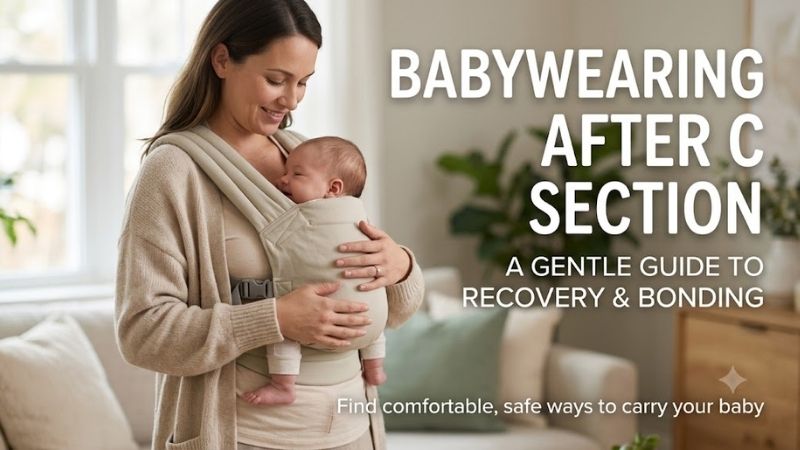
High Waistband Placement Above Incisions
Abdominal incisions sit low along the bikini line, making conventional stiff carrier belts excruciating to wear during early healing. You must choose styles that position the infant higher on your ribcage, completely bypassing the surgical wound. This elevated placement eliminates friction, sweating, and bruising around healing tissue.
Carriers featuring apron-style waists or tie-free loop systems sit comfortably above the pelvis without digging inward. Maintaining zero contact with your lower stomach prevents serious irritation, nerve tingling, and wound complications. Testing how a carrier rests while sitting down ensures complete comfort throughout your recovery.
Soft Fabric Flexibility and Breathability
Surgical recovery involves elevated body temperatures and sensitive skin, making lightweight, breathable textiles indispensable for daily wear. Natural fibers like organic cotton, bamboo, and modal promote continuous air circulation across tender skin. These soft knits cradle delicate infants snugly without trapping moist postpartum heat.
Stiff synthetic blends often generate localized sweating that can soften or inflame surgical incisions during warm afternoons. Safe babywearing after c section relies on supple fabrics that yield gently against your stomach without creating pressure points. Prioritizing airy, hypoallergenic weaves ensures soothing relief for both bodies.
Effortless Weight Distribution Across Upper Body
Weakened abdominal walls cannot support heavy loads, transferring infant weight directly toward vulnerable back and hip muscles. Quality carriers solve this imbalance with wide shoulder straps that distribute pressure smoothly across your upper back. Balanced stabilization prevents caregivers from arching their backs to compensate for pain.
Cross-back straps and wide wrapping panels spread the baby weight toward your shoulders rather than your sensitive lower stomach. This smart mechanical structure stabilizes your core while promoting upright maternal posture during short strolls. Dispersing gravity evenly protects your pelvic floor as your muscles gradually regain tone.
Tool-Free Adjustments and Front Buckle Access
Post-surgical mobility limitations make twisting your torso or reaching around your back to fasten tight latches hazardous. Look for carriers that feature front-facing adjustments, simple slip-on loops, or straightforward frontal ties. Ergonomic front closures allow you to secure your infant without straining recovering abdominal layers.
Fumbling with awkward side buckles or stiff back clips creates sharp abdominal twinges that interrupt bonding routines. Choosing gear with intuitive front fasteners lets you adjust strap tension seamlessly while remaining seated or standing. Effortless handling gives exhausted mothers total confidence during every solo babywearing session.
Top Picks for Post C-Section Baby Carriers
Finding an ergonomic setup after surgery involves balancing tender scar protection with effortless positioning and lasting durability. The following market selections support safe babywearing after c section while accommodating recovering abdomens. Review our side-by-side comparison below to find the ideal match for your healing.
| Product Name | Best Feature | Material Type | Incision Safety | | Boba Classic Wrap | High Torso Positioning | French Terry Cotton | High (No Waistband) | | Solly Baby Wrap | Featherlight Softness | Certified Lenzing Modal | High (Zero Pressure) | | Baby Ktan Original | No-Twist Pre-Wrapped Loop | Pure Natural Cotton | High (T-Shirt Fit) | | Ergobaby Embrace | High-Waisted Buckle Ease | Soft Ponte Knit Blend | Moderate (Soft Belt) |
Boba Classic Baby Wrap
This classic fabric carrier suits mothers who want generous elasticity and sturdy upper-chest positioning during cooler recovery weeks. The dense French terry cotton blend gently holds your newborn snug against your sternum without resting on your scar. It creates a reassuring, womb-like cocoon that lulls restless infants into deep sleep.
The primary advantage is complete freedom from rigid waistbands, making babywearing after c section painless on sensitive incisions. However, wrapping five meters of dense material requires careful patience, and the thick textile feels warm in hot weather. It remains a dependable, supportive option for cooler seasons and budget-minded parents.
Solly Baby Lightweight Wrap
Designed specifically for sensitive infant skin and warm climates, this silky wrap offers luxurious softness for healing mothers. Made from sustainable Lenzing modal, the airy textile drapes gracefully across shoulders without pressing your stomach. It compresses into a tiny roll, making it effortless to transport to pediatric checkups.
Parents love the breezy breathability that prevents uncomfortable postpartum sweating around sensitive surgical dressings. On the downside, the lighter knit holds a lower twenty-five-pound capacity and demands practice to tie symmetrical passes. It stands out as an exquisite, gentle solution for mothers seeking cloud-like morning snuggles.
Baby Ktan Original Carrier
Tailored for recovering mothers who cannot manage lengthy fabric wrapping, this patented setup slips on smoothly like a simple shirt. The dual-loop cotton design lifts infant weight high on the ribcage without resting against tender surgical scars. It provides balanced upper body support that prevents tension along vulnerable pelvic muscles.
The standout benefit is immediate placement that simplifies babywearing after c section without tedious tying or torso twisting. Nonetheless, fixed individual sizing prevents sharing the wrap between partners of different builds, requiring separate purchases. It is an unmatched lifesaver for mothers who demand rapid, hassle-free comfort daily.
Ergobaby Embrace Cozy Carrier
This smart hybrid model blends the cuddly softness of a newborn wrap with the reassuring security of structured buckles. Ideal for parents seeking simplicity, the wide waistband can be fastened high along the ribcage, well above any abdominal incision. The plush ponte knit textile cradles fragile hips in an ergonomic spread-squat position.
Mothers appreciate the intuitive front buckles that fasten easily without demanding strenuous reaching around sensitive abdominal zones. However, the structured waistband feels slightly bulkier than simple fabric wraps and occupies extra diaper bag room. It serves as a fantastic transitional carrier for parents wanting fast buckle convenience.
Frequently Asked Questions About C-Section Babywearing
Navigating infant carrying after abdominal surgery raises valid concerns regarding recovery timelines, incision care, and posture. Understanding medical guidelines empowers you to embrace babywearing after c section safely while shielding healing abdominal tissues. Review these four practical answers to build total confidence postpartum.
When Can You Start Wearing Baby After Surgery?
Most medical professionals recommend waiting until your six-week postpartum appointment before attempting babywearing after c section with structured packs. However, light stretchy wraps can often be used earlier around four weeks if your doctor approves and your incision is fully dry. Always prioritize gradual healing over quick mobility.
Carrying too soon places undue mechanical stress on internal abdominal sutures, increasing swelling and delaying deep muscle repair. Start with brief five-minute indoor snuggles while resting in a seated position before attempting longer strolls. If you feel sudden pain, throbbing, or increased discharge, remove the wrap and rest immediately.
How Do You Protect Your Surgical Incision?
Protecting your healing incision requires keeping all carrier fabric, straps, and infant feet elevated cleanly away from the bikini cut. Position your carrier waistband high on your natural waist or directly under your bustline to ensure zero rubbing. Placing a clean folded cotton towel or silicone scar strip over the wound provides extra padding.
Avoid carriers with low-slung waist belts or hard plastic clips that rest across your pelvic bones when sitting down. Keeping the surgical area completely dry and free from trapped sweat prevents harmful friction and bacterial infection. If your baby kicking causes discomfort, adjust their seated height slightly higher across your chest.
What Carrier Styles Cause the Least Incision Pain?
Traditional stretchy wraps and ring slings cause the least abdominal discomfort because they completely lack rigid waistbands. These flexible carriers distribute weight across your shoulders and ribcage, keeping pressure away from your lower stomach. Ring slings also allow asymmetrical positioning that keeps the surgical site completely unburdened.
Pre-wrapped hybrid carriers like the Baby Ktan also perform exceptionally well because their soft loops bypass pelvic bones entirely. Avoid heavy-duty hiking packs or stiff, low-waisted buckle carriers during your initial eight weeks of postpartum healing. Choosing flexible cloth designs guarantees soothing cuddles without painful incision pressure.
How Long Can Mothers Wear Babies During Early Weeks?
During the early recovery window, limit carrying sessions to short intervals of fifteen to twenty minutes once or twice daily. This conservative duration protects healing pelvic floor muscles and deep abdominal layers from premature exhaustion. Listen carefully to your body signals and sit down immediately if you experience abdominal fatigue.
As your core strength rebounds and your incision heals completely, you can gradually extend carrying intervals toward an hour. Always balance upright babywearing with relaxed skin-to-skin bonding on the couch to maintain closeness without muscle strain. Pacing your activity thoughtfully ensures a smooth, joyful, and completely pain-free recovery.
Final Thoughts on Post C-Section Babywearing
Embracing gentle babywearing after c section fosters intimate bonding while safeguarding your delicate physical recovery. Selecting a high-waisted wrap or soft fabric sling keeps uncomfortable pressure off your incision while calming your infant. Trust your healing timeline and choose an ergonomic wrap to enjoy restful cuddles with your child.








Write Your Review
No reviews yet. Be the first to share your experience!