
Key takeaways
- Spine Alignment: The carrier should support your baby’s back from neck to bum, encouraging a gentle curve.
- Hip Positioning: Ensure your baby’s legs are straddling the carrier panel, with their knees bent and higher than their hips.
- Airway: Your baby’s face should always be visible and kissable. Never let their chin tuck into their chest.
Welcoming a new baby is an exciting time, and a Tula carrier can be an invaluable tool for keeping your little one close and comfortable while navigating daily life. Tula offers several carrier models designed to grow with your child, but achieving the perfect, snug fit for a newborn is crucial for both safety and comfort. This guide will walk you through the essential adjustments for your Tula carrier, ensuring a secure and ergonomic carry for your tiniest passenger.
This guide is applicable to several Tula models, including the popular Baby Tula Free-to-Grow and Baby Tula Explore carriers, which are designed with adjustable settings for newborns. We’ll focus on the general principles that apply across these models, ensuring you can confidently use your Tula from day one.
Our top picks


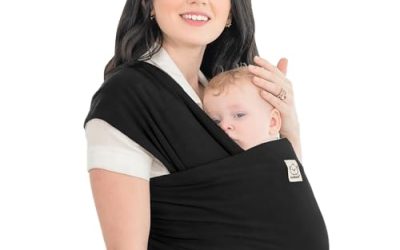
 KeaBabies Baby Wrap Carrier
- Ergonomically Designed - KeaBabies Original Baby Wrap Carrier…
- Nice and Snug
- Everyone Can Babywear - KeaBabies Original Baby Sling…
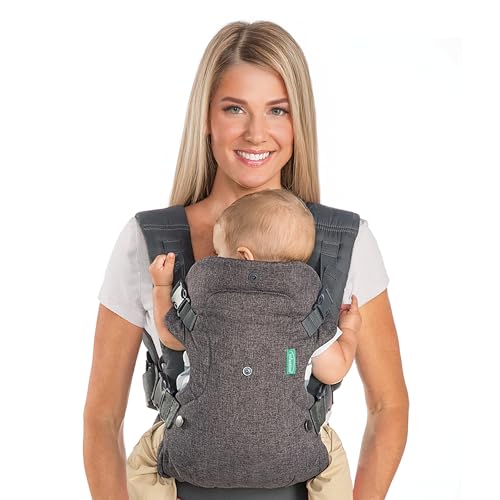 Infantino Flip 4-in-1 Baby Carrier Convertible Ergonomic
- From coffee runs and grocery trips to neighborhood…
- The adjustable convertible seat supports babies from 8-32…
- Choose facing-in with a narrow seat, facing-in with…
As an Amazon Associate we earn from qualifying purchases at no extra cost to you. Ratings are shown as listed on Amazon.
⚡ Save on Your Next PC — Amazon Prime
Prime members get fast free shipping on the systems above, plus early access to Prime Day & Black Friday PC deals. New members get a 30-day free trial.
Watch: How to Adjust a Tula Carrier for a Newborn — Video Review
Understanding Newborn Fit Requirements
Newborns have specific ergonomic needs when being carried. A proper newborn fit ensures their spine is supported in a natural “C” shape, their hips are positioned correctly with knees higher than their bum (M-shape), and their airway is always clear. Tula carriers achieve this through adjustable seat widths and heights, often facilitated by specific newborn inserts or built-in adjustments.
- Spine Alignment: The carrier should support your baby’s back from neck to bum, encouraging a gentle curve.
- Hip Positioning: Ensure your baby’s legs are straddling the carrier panel, with their knees bent and higher than their hips.
- Airway: Your baby’s face should always be visible and kissable. Never let their chin tuck into their chest.
Adjusting the Tula Free-to-Grow for a Newborn
The Baby Tula Free-to-Grow series (including both the breathable mesh and linen versions) is designed to be used from birth without the need for a separate infant insert. The key is adjusting the seat width and height to create a custom fit.
- Seat Width Adjustment: Locate the adjustable velcro straps at the bottom of the carrier panel. For a newborn, you’ll want the narrowest setting. This typically means aligning the velcro so the panel is approximately 5-7 inches (13-18 cm) wide, measuring from one knee crease to the other when your baby is placed in the carrier. The goal is to ensure their knees are higher than their hips.
- Height Adjustment: The Free-to-Grow also features adjustable snaps or velcro along the sides of the panel to control the height. For a newborn, you’ll want to bring the top of the panel up to the nape of their neck, providing head and neck support. This often involves folding down the waistband or using specific snaps to shorten the panel.
- Placement: Ensure the carrier is snug against your body. Your baby should be positioned high enough that you can easily kiss their head.
Adjusting the Tula Explore for a Newborn
The Baby Tula Explore Multi-Position Carrier (both mesh and linen) is also designed for use from birth, offering a front-inward carry position ideal for newborns. Similar to the Free-to-Grow, seat width and height adjustments are crucial.
- Newborn Setting: The Explore carrier typically has a dedicated “newborn” setting that can be achieved using the adjustable snaps on the seat. Ensure these snaps are set to create a narrow seat width, measuring between 5-7 inches (13-18 cm) between the knee creases.
- Panel Height: The panel height can be adjusted using the adjustable straps or snaps at the top of the carrier. For a newborn, the panel should come up to the base of their ears or the nape of their neck, providing essential head and neck support.
- Infant Insert (Optional but Recommended for Preemies/Tiny Newborns): While the Explore is designed for newborn use, some parents of very small or premature babies may find an additional infant insert (sold separately by Tula or other compatible brands) beneficial for added coziness and support.
Using the Baby Tula Lite Compact Carrier for Newborns
The Baby Tula Lite Compact Carrier is designed for portability and lighter use. While it can be used for newborns, it’s essential to understand its limitations and ensure a proper fit.
- Narrowest Seat: Ensure the carrier is adjusted to its narrowest seat width. This is critical for achieving the proper M-position for your baby’s hips.
- Panel Height: Adjust the panel height to adequately support your newborn’s head and neck. The top of the panel should reach the nape of their neck.
- Not for Extended Wear: The Lite carrier is best suited for shorter periods of wear and is not designed for the same level of ergonomic support as the Free-to-Grow or Explore for prolonged carrying of a newborn.
Tips for a Secure Newborn Carry
Beyond the initial adjustments, several practices ensure a safe and comfortable carry:
- Practice Makes Perfect: It’s helpful to practice adjusting and putting on the carrier before your baby arrives, or with a doll, to get a feel for the straps and buckles.
- Check the Fit: Always do a quick check after putting your baby in the carrier. Ensure their airway is clear, their spine is supported, and their hips are in the M-position.
- Snug is Safe: The carrier should feel snug against your body. There shouldn’t be excessive slack or looseness.
- Listen to Your Baby: Pay attention to your baby’s cues. If they seem uncomfortable or fussy, readjust the carrier.
Frequently Asked Questions
What age can I start using my Tula carrier?
Most Tula carriers, including the Free-to-Grow and Explore models, can be used from birth (around 7 lbs or 3.2 kg) when adjusted correctly for a newborn. Always refer to the specific weight guidelines for your carrier model.
Do I need an infant insert for my Tula carrier?
The Baby Tula Free-to-Grow and Explore carriers are designed to be used from birth without a separate infant insert due to their adjustable seats. However, for very small or premature newborns, an infant insert might provide additional support and coziness.
How do I know if the seat is the right width for my newborn?
The seat should be adjusted so that your baby’s knees are higher than their hips, and their legs are in a natural spread. Measure the width between your baby’s knee creases when they are in the carrier; it should be approximately 5-7 inches (13-18 cm).
How high should my newborn’s head be in the carrier?
Your newborn’s head should be high enough that you can easily kiss their forehead. The top of the carrier panel should reach the nape of their neck, providing adequate head and neck support.
Conclusion
Adjusting your Tula carrier correctly for a newborn is paramount for a safe, comfortable, and ergonomic carrying experience. By understanding the specific requirements for newborn fit and utilizing the adjustable features of your Tula Free-to-Grow or Explore carrier, you can confidently embrace the joys of babywearing from the very beginning. Remember to always prioritize your baby’s safety and comfort by checking the fit regularly.



Write Your Review
No reviews yet. Be the first to share your experience!