
Key takeaways
- Check the Weight Limits: Ensure your baby is within the carrier’s newborn weight range (consult your specific LÍLLÉbaby manual, but generally starting around 7 pounds).
- Adjust the Waistband: The waistband should sit high on your natural waist, just below your ribcage, to provide a stable base for the carrier. For a newborn, you might need to position it slightly higher than you would for an older baby.
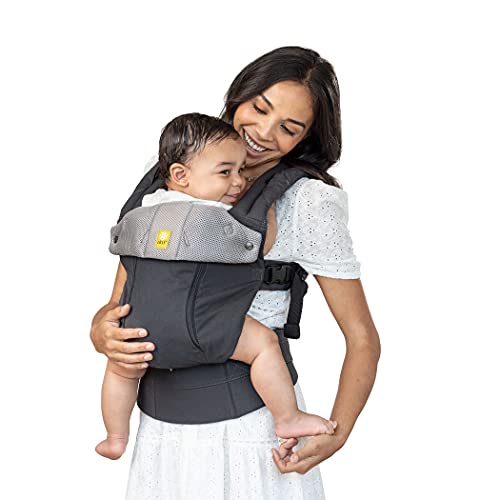
- Position the Body Panel: The key for a newborn is a narrow seat. Look for adjustable settings on your carrier that narrow the width of the body panel. This ensures your baby’s legs are held in a natural, spread squat position (M-shape), with knees higher than their bum.
- Secure the Straps: Ensure all buckles and snaps are securely fastened.
Congratulations on your new arrival! As you embark on the incredible journey of parenthood, you’re likely looking for ways to keep your little one close and comfortable while maintaining your freedom. Babywearing is a fantastic solution, and the LÍLLÉbaby carrier, particularly models like the Complete All Seasons and Serenity, offers a versatile and ergonomic way to carry your newborn. This guide will walk you through how to use your LÍLLÉbaby carrier safely and effectively for your precious little one, from the very first days.
LÍLLÉbaby carriers are designed to grow with your baby, but using them with a newborn requires specific adjustments to ensure their safety and proper positioning. We’ll cover the essential steps to get started, focusing on achieving the ideal “M” or “froggy” leg position and a secure, snug fit for your newborn. With a little practice, you’ll be navigating the world with your baby comfortably nestled against you in no time.
Our top picks



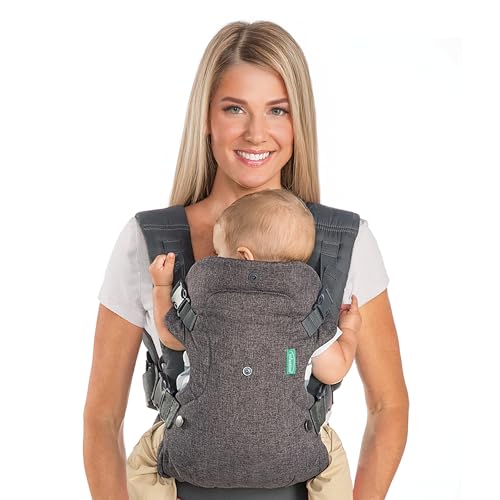 Infantino Flip 4-in-1 Baby Carrier Convertible Ergonomic
- From coffee runs and grocery trips to neighborhood…
- The adjustable convertible seat supports babies from 8-32…
- Choose facing-in with a narrow seat, facing-in with…

As an Amazon Associate we earn from qualifying purchases at no extra cost to you. Ratings are shown as listed on Amazon.
⚡ Save on Your Next PC — Amazon Prime
Prime members get fast free shipping on the systems above, plus early access to Prime Day & Black Friday PC deals. New members get a 30-day free trial.
Watch: How to Use a Lillebaby Carrier for a Newborn — Video Review
Getting Started: Your Newborn’s First Carry
Before you even place your baby in the carrier, take some time to familiarize yourself with its features. Most LÍLLÉbaby models, including the Complete All Seasons and Serenity, are suitable for newborns with the use of a specific setting or an infant insert (though many newer models have built-in adjustments). For newborns typically weighing between 7-12 pounds, you’ll need to ensure their legs are positioned correctly to support their developing hips and spine.
- Check the Weight Limits: Ensure your baby is within the carrier’s newborn weight range (consult your specific LÍLLÉbaby manual, but generally starting around 7 pounds).
- Adjust the Waistband: The waistband should sit high on your natural waist, just below your ribcage, to provide a stable base for the carrier. For a newborn, you might need to position it slightly higher than you would for an older baby.
- Position the Body Panel: The key for a newborn is a narrow seat. Look for adjustable settings on your carrier that narrow the width of the body panel. This ensures your baby’s legs are held in a natural, spread squat position (M-shape), with knees higher than their bum.
- Secure the Straps: Ensure all buckles and snaps are securely fastened.
Achieving the Perfect Newborn Position
The “M” or froggy position is crucial for newborns. This position mimics how a baby’s legs would naturally fall when held, promoting healthy hip development and preventing hip dysplasia. Your LÍLLÉbaby carrier, with its adjustable features, is designed to facilitate this.
- Narrow Seat is Key: For newborns, the seat of the LÍLLÉbaby Complete All Seasons or Serenity carrier needs to be adjusted to its narrowest setting. This typically involves adjusting straps or snaps on the panel to bring the fabric up between your baby’s legs, ensuring their knees are higher than their hips and their legs are spread comfortably. Aim for a width of about 3-4 inches between the knee creases.
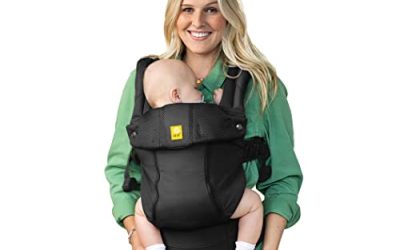
- Tummy-to-Tummy: The ideal newborn carry is “inward-facing” or “tummy-to-tummy.” Your baby should be snug against your chest, with their face visible and able to kiss your shoulder.
- Head Support: Ensure your baby’s head is well-supported. The neck support panel should be folded down or adjusted to provide firm support for their head and neck, especially if they cannot yet hold their head up independently. For the LÍLLÉbaby Complete All Seasons, the hood can be helpful here. For the Serenity, the convertible tote can also aid in head support.
- Snug Fit: The carrier should feel snug, not tight. Your baby should be held close to your body, with no large gaps. You should be able to easily kiss the top of their head.
Wearing Your LÍLLÉbaby for the First Time
Putting on your LÍLLÉbaby carrier with a newborn can take a few tries. It’s helpful to practice in front of a mirror. The goal is to get your baby into the carrier securely and comfortably.
- Buckle the Waistband: Secure the waistband around your waist, ensuring it’s snug and positioned correctly.
- Prepare the Shoulder Straps: Loosen the shoulder straps significantly before picking up your baby.
- Scoop Your Baby In: Gently scoop your baby up and place them into the narrow seat of the carrier, ensuring their legs are in the M-position.
- Adjust Straps Gradually: While holding your baby securely, begin tightening the shoulder straps. Pull them up your back, ensuring they are snug but not digging in. Adjust the chest strap (if applicable) to a comfortable position.
- Final Check: Ensure your baby’s airway is clear, their head is supported, and they are snug against you.
Common Newborn Carry Positions
While the inward-facing, tummy-to-tummy position is the standard and safest for newborns, LÍLLÉbaby carriers are designed for versatility as your baby grows. However, for the initial weeks and months, focus on mastering this fundamental carry.
- Inward-Facing (Newborn Hold): This is the primary position for newborns. Your baby faces you, nestled securely against your chest. The narrow seat ensures their hips and spine are properly supported. This position also allows for easy breastfeeding if desired.
- Avoid Outward-Facing for Newborns: It’s crucial to avoid outward-facing positions with newborns. Their developing bodies don’t have the strength to support themselves in this position, and it can put undue stress on their spine and hips. Wait until your baby can comfortably hold their head up and has good trunk control (typically around 4-6 months) before considering outward-facing options.
Tips for Comfort and Safety
- Practice makes Perfect: Don’t be discouraged if it feels awkward at first. Practice putting the carrier on and taking it off, both with and without your baby, until you feel confident.
- Listen to Your Baby: Pay attention to your baby’s cues. If they seem uncomfortable or fussy, adjust the carrier or take a break.
- Ensure a Secure Fit: A snug fit is essential. Your baby should be held close, with no large gaps. You should be able to easily kiss the top of their head.
- Ergonomics for You and Baby: Always ensure the carrier is adjusted for both your and your baby’s ergonomic comfort and safety. The “M” position for the baby’s legs and a comfortable fit for you are paramount.
Frequently Asked Questions
What is the minimum weight for a LÍLLÉbaby carrier?
Most LÍLLÉbaby carriers, including the Complete All Seasons and Serenity models, are suitable for newborns starting around 7 pounds. Always refer to your specific carrier’s manual for the exact weight requirements.
Do I need an infant insert for my LÍLLÉbaby carrier?
Many newer LÍLLÉbaby models, like the Complete and Serenity lines, have built-in adjustments for newborns that eliminate the need for a separate infant insert. However, older models or certain configurations might require one. Check your carrier’s manual or the product description to be sure.
How do I know if the seat is narrow enough for my newborn?
The seat should be narrow enough that your baby’s knees are higher than their bum, and their legs are spread in a comfortable “M” or froggy position. The fabric should extend from knee crease to knee crease. Aim for a seat width of approximately 3-4 inches between the knee creases.
Can I breastfeed in my LÍLLÉbaby carrier?
Yes, many parents find it easy to breastfeed in their LÍLLÉbaby carrier, especially in the inward-facing position. You may need to loosen the shoulder straps slightly and adjust the carrier to find a comfortable angle for both you and your baby.
Using a LÍLLÉbaby carrier with your newborn is a rewarding experience that fosters closeness and provides convenience. By focusing on the correct positioning, snug fit, and ergonomic principles, you can ensure both you and your baby enjoy the many benefits of babywearing. Remember to consult your LÍLLÉbaby manual for model-specific instructions and always prioritize your baby’s safety and comfort.





Write Your Review
No reviews yet. Be the first to share your experience!