
Key takeaways
- Best For: All-day ergonomic carrying across all growth stages (newborn to toddler).
- Key Features: SoftFlex diamond mesh fabric covering the entire body; four ergonomic carry positions (inward, outward, hip, and back); integrated lumbar support waistbelt; tucked UPF 50+ privacy hood.
- Pros:
- Exceptional airflow minimizes overheating and sweat buildup during prolonged walks.
- Adjusts seamlessly from 7 to 45 pounds without needing an extra infant insert.
- Certified hip-healthy by the International Hip Dysplasia Institute (IHDI).
What's inside
Building a reliable babywearing gear checklist saves parents from uncomfortable outings, aching shoulders, and premature gear fatigue. While a basic wrap or structured carrier forms the foundation, having the correct supporting accessories ensures you can manage fluctuating weather, teething drool, and rapid ergonomic adjustments on the go. Investing in durable, tested babywearing items protects your child’s hip development while distributing weight evenly across your torso. This curated product roundup highlights the five essential pieces every parent needs to create a safe, versatile, and comfortable hands-free carrying routine from the newborn stage through toddlerhood.
5 Essential Products for Your Babywearing Gear Checklist
Selecting the right items for your babywearing gear checklist means balancing safety certifications with real-world convenience. The five handpicked items below address everyday challenges like teething moisture, changing climates, and rapid growth spurts to keep both caregiver and infant supported across all transit situations.
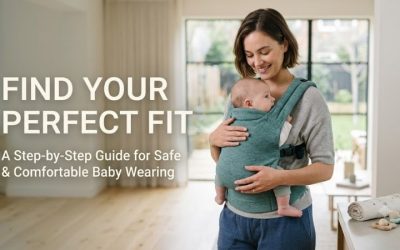
1. Ergobaby Omni Breeze Baby Carrier
- Best For: All-day ergonomic carrying across all growth stages (newborn to toddler).
- Key Features: SoftFlex diamond mesh fabric covering the entire body; four ergonomic carry positions (inward, outward, hip, and back); integrated lumbar support waistbelt; tucked UPF 50+ privacy hood.
- Pros:
- Exceptional airflow minimizes overheating and sweat buildup during prolonged walks.
- Adjusts seamlessly from 7 to 45 pounds without needing an extra infant insert.
- Certified hip-healthy by the International Hip Dysplasia Institute (IHDI).
- Cons:
- Bulkier profile takes up substantial space in compact diaper bags.
- Premium price point compared to entry-level soft structured carriers.
- Use Case: Daily walking routines, grocery runs, and lengthy travel itineraries where sustained lumbar pressure relief is necessary.
- Who It’s For: Parents seeking a single, heavy-duty carrier that lasts from birth through age three without purchasing intermediate sizes.
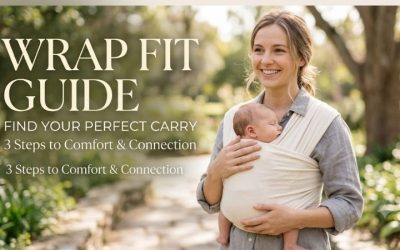
2. Boba Wrap Classic Baby Carrier
- Best For: Fourth-trimester bonding and cozy newborn chest sleeping.
- Key Features: 95% French terry cotton with 5% spandex blend; 5-yard continuous wrap design; custom contouring without rigid buckles or plastic clips; rated for infants 7 to 35 pounds.
- Pros:
- Spandex stretch provides a snug, womb-like environment that calms colicky infants.
- Completely custom fit adapts to any adult body shape or caregiver frame.
- Machine-washable cotton fabric cleans easily after spit-ups or minor blowouts.
- Cons:
- Steep learning curve to tie correctly without slack or sagging.
- Long fabric ends touch the ground during outdoor parking lot wrapping.
- Use Case: Calming fussy newborns indoors, resting on the sofa, or navigating quiet morning stroller-free walks around the block.
- Who It’s For: New parents of infants aged 0 to 4 months who prioritize intimate skin-to-skin contact and gentle torso support.
3. Bebamour Universal Drool and Teething Pads
- Best For: Protecting expensive carrier straps from teething moisture and stains.
- Key Features: Three-piece set including two shoulder strap protectors and one front bib; 100% breathable organic cotton construction; snap-button closures that wrap around standard carrier webbing.
- Pros:
- Eliminates the need to wash the entire structured carrier after every teething outing.
- Soft terry-weave interior absorbs heavy drool without seeping through to straps.
- Universal snap placement fits Ergobaby, Tula, Lillebaby, and Infantino models.
- Cons:
- Snap buttons can unfasten if an older toddler pulls downward vigorously.
- Cotton weave shrinks slightly if dried on high heat cycles.
- Use Case: Daily teething phases when infants chew relentlessly on upper shoulder straps during front-inward and front-outward carries.
- Who It’s For: Caregivers who want to extend the resale value and fabric longevity of their primary structured baby carrier.
4. Jan & Jul Universal All-Season Carrier Cover
- Best For: Inclement weather protection against driving rain, biting wind, and snow.
- Key Features: Water-resistant Bionic-Finish Eco shell; removable fleece lining for dual-season temperature control; universal snap-buckle loops attach to any carrier strap; integrated hood and kangaroo hand-warming pocket.
- Pros:
- Modular fleece interior zips out quickly for mild, rainy spring days.
- Spacious kangaroo pocket keeps the caregiver’s hands warm without gloves.
- Elastic drawstring hem cinches snugly around baby’s legs to block freezing drafts.
- Cons:
- Bulky to pack inside an already full commuter daypack when not deployed.
- Outer shell makes a slight rustling sound during rapid walking movements.
- Use Case: Outdoor winter commutes, rainy grocery runs, and chilly autumn park strolls where normal stroller blankets fall off.
- Who It’s For: Active families living in four-season or wet climates who refuse to let cold winds or drizzle cancel daily walks.
5. Tushbaby Hip Seat Baby Carrier
- Best For: Frequent up-and-down transitions with active, independent toddlers.
- Key Features: Ergonomic memory foam shelf seat; supportive wide lumbar velcro band with safety buckle; multiple hidden storage compartments for diapers and keys; approved for babies 8 to 45 pounds.
- Pros:
- Eliminates hip torque and spinal curvature when balancing heavy toddlers on one side.
- Zero strapping or threading required for instantaneous pickup and put-down cycles.
- Integrated pocket capacity frequently replaces a secondary waist pack or small purse.
- Cons:
- Requires one hand on the toddler’s back at all times for genuine stability.
- Wide waistband can press against tender cesarean incision scars if worn low.
- Use Case: Zoo outings, museum visits, airport terminals, and household chores where toddlers switch between walking and riding every five minutes.
- Who It’s For: Parents of mobile older infants and toddlers who find full buckles too cumbersome for quick, repetitive carries.
How to Evaluate Your Babywearing Gear Setup
Evaluating items on your checklist requires examining fabric durability, spinal ergonomics, and seasonal adaptations. Prioritizing these foundational traits prevents wasted budget on redundant baby accessories and ensures every journey remains safe for your child and free of back strain for you.
+-------------------+----------------------------+-------------------------------------+
| Evaluation Pillar | Primary Spec to Verify     | Operational Trade-Off               |
+-------------------+----------------------------+-------------------------------------+
| Fabric & Heat     | 3D Mesh / Organic Cotton   | High ventilation vs. plush softness |
| Ergonomics        | Wide Lumbar / M-Position   | Spinal support vs. packable weight  |
| Hygiene Defense   | Detachable Drool Covers    | Wash convenience vs. extra bulk     |
| Weather Shielding | Water-Repellent Shells     | Climate defense vs. storage footprint|
| Transit Speed     | Buckles vs. Custom Tie-ins | Instant deployment vs. snug fit     |
+-------------------+----------------------------+-------------------------------------+
- Breathable Fabric Construction
- What: Open-cell 3D mesh or lightweight combed cotton that facilitates airflow between parent and baby.
- Why: Trapped body heat between two torsos leads rapidly to heat rash, fussiness, and parental exhaustion.
- Who: Essential for caregivers in humid climates or those who wear babies during vigorous outdoor exercise.
- Trade-off: Synthetic mesh weaves feel slightly stiffer against bare skin than ultra-soft knit modal fabrics.
- Certified Ergonomic Hip Positioning
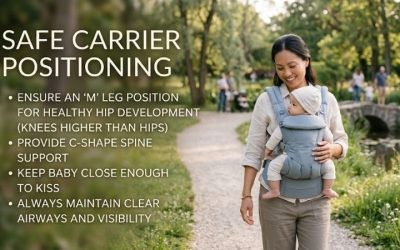
- What: A wide carrier seat base that maintains the child’s knees higher than their hips in a deep “M” squat.
- Why: Narrow crotch-dangling carriers place unnatural strain on developing hip sockets and pelvic joints.
- Who: Mandatory for all newborns and infants during their first eighteen months of rapid skeletal development.
- Trade-off: Ergonomic wide bases require bulkier structural padding around the caregiver’s lower waist.
- Modular Surface Protection
- What: Removable, snap-on organic cotton pads shielding the carrier’s primary chest straps and headrest collar.
- Why: Baby saliva breaks down technical waterproof coatings and requires full machine washing that fades structured canvas.
- Who: Critical for teething infants between 4 and 14 months old who explore textures through mouth contact.
- Trade-off: Adding accessories slightly increases the initial out-of-pocket investment and laundry sorting steps.
- All-Weather Adaptability
- What: A weather-resistant secondary cover featuring windproof shells, water-resistant layers, or UV-blocking hoods.
- Why: Oversized adult winter coats rarely zip securely over an upright baby without compromising airway visibility.
- Who: Urban commuters and rural walkers navigating freezing temperatures, sudden showers, or strong wind.
- Trade-off: Dedicated covers take up substantial room inside diaper bags when ambient temperatures rise mid-day.
Frequently Asked Questions
Reviewing common safety regulations and accessory compatibility clarifies how each piece fits into your daily routine. Addressing these logistical queries beforehand guarantees smooth, stress-free outings with your infant while keeping your ergonomic babywearing checklist simple and functional.
What babywearing gear is strictly necessary for a newborn?
A newborn babywearing kit requires only two items: an ergonomic wrap or newborn-ready structured carrier supporting a frog-leg “M” position, and a soft drool bib. Ensure the carrier keeps the infant’s chin elevated off their chest and remains tight enough to kiss their forehead.
Can I use universal drool pads on any baby carrier model?
Most snap-on teething pads use flexible three-snap configurations that fit standard two-to-three-inch shoulder straps found on brands like Ergobaby, Tula, and Boba. However, ultra-wide hybrid wraps with unstructured fabric shoulders cannot secure standard snap pads properly.
Do I need a special coat or a carrier cover for cold weather?
A universal carrier cover is generally safer and more cost-effective than an expensive babywearing jacket. Dedicated carrier covers clip directly to the straps, keeping your infant warm with fleece while leaving your own jacket unzipped to avoid dangerous body heat spikes.
How do I know if my baby carrier is hip-healthy?
Look for certification designations issued by the International Hip Dysplasia Institute (IHDI). A hip-healthy carrier supports your infant’s thighs from knee pit to knee pit, preventing the legs from dangling straight down and avoiding dangerous hip joint subluxation.
Conclusion
Equipping yourself with a well-planned babywearing gear checklist transforms daily errands, urban transit, and outdoor family adventures into manageable, hands-free bonding experiences by pairing ergonomic weight distribution with practical protection against teething wear and unpredictable seasonal weather.

Write Your Review
No reviews yet. Be the first to share your experience!