
Key takeaways
- Shared Thermoregulation: Your chest radiates significant warmth. In cold weather, this protects your baby; in hot weather, it creates a high-sweat contact zone.
- The “One Less Layer” Principle: In moderate to warm conditions, dress your child in one less layer than you would put on them if they were in a stroller or car seat.
- Core Over Extremities: Check your baby’s temperature by feeling their nape (back of the neck) or upper back. Hands and feet normally feel cooler due to developing circulatory systems and are not reliable indicators of core warmth.
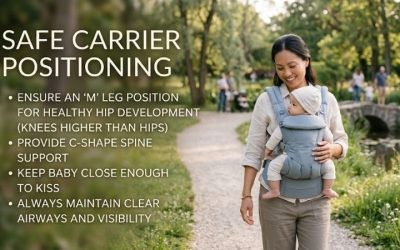
- Airway Maintenance (TICKS Rule): No matter how many layers or covers you add, baby must remain Tight, In view at all times, Close enough to kiss, Keep chin off the chest, and have a Supported back.
What's inside
- Quick-Reference Weather & Layering Chart
- The Golden Rule of Babywearing Weather: The Carrier Is a Layer
- Summer & Hot Weather Babywearing: Preventing Overheating
- Winter & Cold Weather Babywearing: Warmth Without Suffocation
- Rain, Wind, and Shoulder Seasons: Transition Strategies
- Top Weather-Ready Babywearing Gear: Expert Reviews
- Babywearing Weather Buying Guide: How to Choose
- Frequently Asked Questions
- Conclusion
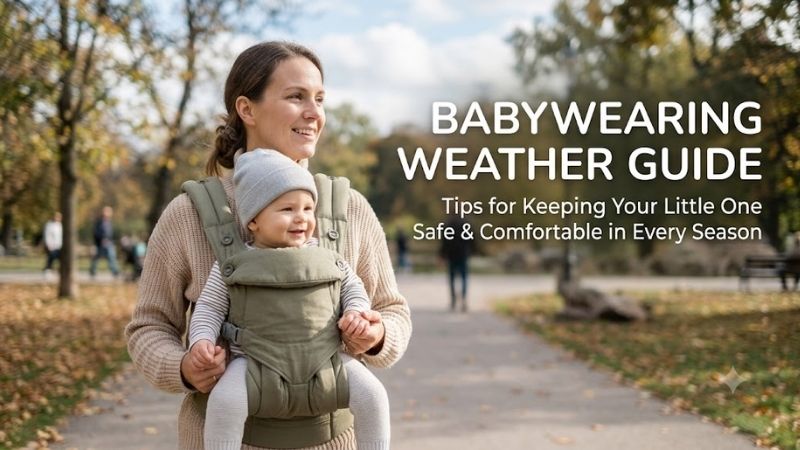
Navigating seasonal shifts requires a clear babywearing weather guide so you can carry comfortably without overheating or chilling your infant. Because your carrier counts as an extra layer of clothing, monitoring core temperatures and selecting breathable fabrics prevent common safety risks while keeping outdoor bonding effortless.
- Quick-Reference Weather & Layering Chart
- The Golden Rule of Babywearing Weather: The Carrier Is a Layer
- Summer & Hot Weather Babywearing: Preventing Overheating
- Winter & Cold Weather Babywearing: Warmth Without Suffocation
- Rain, Wind, and Shoulder Seasons: Transition Strategies
- Top Weather-Ready Babywearing Gear: Expert Reviews
- Babywearing Weather Buying Guide: How to Choose
- Frequently Asked Questions
- Conclusion
Quick-Reference Weather & Layering Chart
Before heading out, determine your baby’s clothing based on ambient temperature and wind conditions. Always remember: your body acts as an active heat source, and the carrier functions as an additional layer of clothing.
| Temperature Range | Weather Condition | Base Layer on Baby | Outer Layer / Cover | Recommended Carrier Type |
|---|---|---|---|---|
| 85°F+ (29°C+) | Extreme Heat / High Humidity | Diaper + lightweight short-sleeve cotton onesie | Sun hat with broad brim; UV umbrella (no cover over carrier) | 3D Mesh buckle carrier or lightweight linen ring sling |
| 70°F – 84°F (21°C – 28°C) | Warm / Moderate Sun | Single-layer breathable cotton sleeper or romper | Sun hat, lightweight muslin cloth placed between parent and baby chests | Soft structured carrier with mesh panel or standard woven wrap |
| 55°F – 69°F (13°C – 20°C) | Mild / Breezy Autumn or Spring | Long-sleeve cotton footless romper + warm socks | Light cardigan or windproof carrier cover if breezy | Any ergonomic structured carrier or cotton wrap |
| 32°F – 54°F (0°C – 12°C) | Chilly / Moderate Cold | Long-sleeve thermal base + cotton/fleece footless pants + booties | Fleece-lined universal carrier cover or babywearing coat | Structured carrier worn under parent’s coat/cover |
| Below 32°F (<0°C) | Freezing / Winter Conditions | Thermal wool/bamboo base + mid-weight fleece suit (footless) + warm beanie & thermal booties | Insulated universal winter cover (e.g., fleece/down) or oversized babywearing coat | Ergonomic buckled carrier kept close to caregiver’s chest inside coat |
The Golden Rule of Babywearing Weather: The Carrier Is a Layer
When evaluating your baby’s outfit for the outdoors, always remember that structured buckle carriers and wraps act as at least one full layer of clothing. Combined with your natural shared body heat, babies warm up faster than you expect, requiring careful fabric choices to prevent dangerous overheating on daily walks.
Understanding this dynamic is the cornerstone of safe all-season carrying. When parents dress their child in an outfit suited for a stroller, placing them into a carrier frequently doubles their insulation.
- Shared Thermoregulation: Your chest radiates significant warmth. In cold weather, this protects your baby; in hot weather, it creates a high-sweat contact zone.
- The “One Less Layer” Principle: In moderate to warm conditions, dress your child in one less layer than you would put on them if they were in a stroller or car seat.
- Core Over Extremities: Check your baby’s temperature by feeling their nape (back of the neck) or upper back. Hands and feet normally feel cooler due to developing circulatory systems and are not reliable indicators of core warmth.
- Airway Maintenance (TICKS Rule): No matter how many layers or covers you add, baby must remain Tight, In view at all times, Close enough to kiss, Keep chin off the chest, and have a Supported back.
Summer & Hot Weather Babywearing: Preventing Overheating
High summer heat brings genuine risks of infant hyperthermia because immature sweat glands make self-cooling difficult. Parents must prioritize ultra-breathable mesh carriers, dress their babies in minimal single-layer natural cotton, and stay vigilant about constant airflow to protect clear, unobstructed breathing at all times.
Practical Tips for Beating the Heat
- The Chest Barrier Trick: Place a light, breathable cotton washcloth or muslin square between your chest and baby’s head/chest. This absorbs shared perspiration and prevents heat rash without blocking airflow.
- Ditch Footed Sleepers: Tight footies trap heat and pull against toes when your child’s legs are spread in the ergonomic “M” position. Opt for footless rompers paired with open air.
- Never Drape Blankets Over the Carrier: Covering a baby carrier with a blanket or muslin swaddle creates a dangerous greenhouse effect. Internal carrier temperatures can rise by 7°F to 10°F in under 15 minutes, cutting oxygen circulation. Use a wide-brim sun hat on your baby and carry a UV umbrella instead.
- Hydration Checks: Monitor nursing or wet diaper frequency closely. If baby appears flushed, lethargic, or their breathing is rapid, move indoors immediately to cool down.
Winter & Cold Weather Babywearing: Warmth Without Suffocation
Sub-freezing temperatures demand exceptional thermal insulation without compromising infant postural stability or respiratory safety. Bulky snowsuits are strictly dangerous inside carriers because slick fabrics cause slipping and thick batting compresses against airways, creating an immediate, silent suffocation hazard.
The Dangers of Bulky Snowsuits
Thick, puffy snowsuits and bunting bags introduce multiple hazards:
- Airway Obstruction: Puffy hoods and collars push the baby’s chin down toward their chest, restricting airflow.
- Poor Hip Ergonomics: Dense padding prevents the baby’s pelvis from settling into the deep, ergonomic “M” seat (frog leg position), putting unnatural stress on infant hip joints.
- Silent Overheating: Trapped between your body heat and thick polyester fill, babies can rapidly overheat even when outside temperatures are below freezing.
How to Layer Safely for Freezing Climates
- Base Layer: Moisture-wicking merino wool or breathable bamboo footless sleeper.
- Mid Layer: Thin polar fleece or boiled wool romper with fold-over cuffs.
- Extremity Protection: Trapper hat or balaclava that leaves the nose and mouth completely clear, accompanied by fleece or shearling booties and mittens.
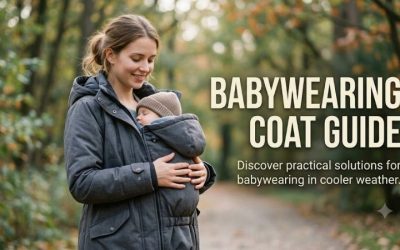
- Outer Protection: Fasten a universal weather cover or zip a dedicated babywearing coat over both of you. This allows you to regulate warmth with one central zipper while sharing body heat.
Rain, Wind, and Shoulder Seasons: Transition Strategies
Unpredictable spring showers and brisk autumn winds present tricky microclimates where temperatures fluctuate by ten degrees in minutes. Equipping your carrier with a water-resistant outer shell and choosing modular fleece layers lets you quickly adapt to sudden gusts without disturbing your sleeping baby on the go.
Managing Transitional Shifts
- Protect Vulnerable Lower Limbs: When seated in an ergonomic carrier, pants pull upward, exposing bare ankles and calves. In transitional spring and fall breezes, use baby leg warmers or knee-high wool socks over pants.
- Deflect Wind Without Blanketing Face: Wind chills lower perceived temperature rapidly. Use a carrier cover with a structured hood or snap-on windbreaker that shields baby’s neck and back while keeping the face fully visible and well-ventilated.
- Waterproof Shell Over Breathable Base: Avoid non-breathable plastic rain ponchos wrapped tightly around the baby. Choose breathable ripstop nylon or polyurethane-coated covers with dedicated side openings for cross-ventilation.
Top Weather-Ready Babywearing Gear: Expert Reviews
Choosing the right carrier and thermal accessories eliminates the guesswork from seasonal outdoor excursions with your little one. We evaluated leading designs on breathability, moisture resistance, ergonomics, and ease of adjustment so you can invest in field-tested gear tailored to your local seasonal climate.
1. Ergobaby Omni Breeze
The Gold Standard for Summer and Warm Climates
- Best For: Hot summer walks, active caregivers, and parents living in humid climates.
- Key Features: Full-body SoftFlex Mesh fabric that maximizes airflow across the back and shoulder straps; lumbar support belt with cut-out ventilation; integrated tuck-away UPF 50+ sun and privacy hood; fits infants from 7 to 45 lbs without a separate infant insert.
- Pros:
- Noticeable cooling difference compared to canvas or standard cotton carriers.
- Ergonomic support across all 4 carry positions (front facing inward, front facing out, hip, and back).
- Padded shoulder straps distribute toddler weight evenly.
- Cons:
- Mesh feels stiff before the first few washings.
- In cold weather, cold air passes directly through the body panel, requiring a heavy cover.
- Use Case: Ideal for summer park visits, hiking trails, and warm beach vacations where air circulation is paramount.
- Who It’s For: Parents in southern states or anyone seeking a cool, heavy-duty carrier for warm-season workouts.
2. Lillebaby Complete All Seasons
Year-Round Versatility with Temperature-Regulating Front Panel
- Best For: Four-season utility and regions with dramatic temperature swings.
- Key Features: Zip-down front cotton canvas panel revealing 3D breathable mesh; adjustable seat accommodating infants from 7 to 45 lbs; structured lumbar support plate; wide padded waist belt.
- Pros:
- True year-round adaptability: zip up for chilly winds, zip down for sunny afternoons.
- Excellent lower back support for extended carrying sessions.
- Generous zippered storage pocket on the front flap.
- Cons:
- Noticeably bulkier and heavier than minimalist soft-structured carriers.
- Zippers require two hands to adjust smoothly while baby is seated.
- Use Case: Daily walking routines throughout spring, autumn, and mild winter where temperatures change hour by hour.
- Who It’s For: Caregivers who want one single, durable carrier that performs equally well in July heat and October chill.
3. 7AM Enfant Pookie Poncho
Ultimate Universal Winter Carrier and Stroller Protection
- Best For: Freezing northern winters, snowfall, and sub-zero stroller/carrier outings.
- Key Features: Dual-hood design (one large hood for inward-facing infants, one hood for outward-facing/older babies); water-repellent micro-fleece and poly-insulated shell; universal zippered slit system that fits any soft-structured carrier, wrap, or stroller harness.
- Pros:
- Eliminates the need for unsafe, bulky snowsuits inside the carrier.
- Soft anti-pilling micro-fleece lining provides immediate thermal retention.
- Machine washable and packs flat when traveling.
- Cons:
- Premium price point for a single-season accessory.
- Too warm for mild autumn or late spring days above 45°F.
- Use Case: Freezing winter commutes, snowy mountain walks, and chilly urban strolls where baby needs down-level warmth.
- Who It’s For: Parents facing true winter snow and freezing winds who need a safe, slip-on protective layer over their regular carrier.
4. Bebamour Universal All Seasons Baby Carrier Cover
Budget-Friendly Wind, Rain, and Transitional Weather Shield
- Best For: Rainy climates, windy coastal conditions, and budget-conscious parents.
- Key Features: Water-resistant outer nylon shell with detachable warm fleece inner lining; snap-button straps that loop around any carrier shoulder strap; front kangaroo pocket to warm the parent’s hands; drawstring foot pouch to contain kicking feet.
- Pros:
- Removable inner liner turns it from a rain/wind shell into a warm winter cover.
- Universal snap attachments work on Ergobaby, BabyBjörn, Lillebaby, and Tula.
- Accessible price point offering high multi-season value.
- Cons:
- Elastic foot pocket can feel tight on taller toddlers over 18 months.
- Nylon outer fabric can make a slight rustling noise during brisk movements.
- Use Case: Wet morning dog walks, damp spring showers, and gusty fall days.
- Who It’s For: Caregivers seeking an affordable, adaptable shell that protects against unexpected showers without buying multiple covers.
Babywearing Weather Buying Guide: How to Choose
Finding gear that matches your climate requires looking beyond aesthetic patterns to inspect technical textiles and ergonomic versatility. Understanding how material density, ventilation panels, and weather covers interact ensures you spend money on equipment that keeps your infant safe in real environmental conditions.
1. Carrier Material & Fabric Weight
- What: The base textile constructing the carrier body (e.g., 3D mesh, pure linen, jacquard woven cotton, structured canvas).
- Why: Fabric composition governs moisture dissipation and breathability. Dense canvas traps heat; open-weave linen and engineered mesh release moisture quickly.
- Who: Parents in warm or humid climates should prioritize mesh or linen. Parents in cooler climates can choose medium-weight cotton or canvas.
- Trade-off: High-airflow mesh carriers keep baby cool in July but require supplemental insulated covers during November and December walks.
2. Dual-Layer vs. Single-Purpose Gear
- What: Carriers with convertible zip panels versus purpose-built ultra-breathable or insulated designs.
- Why: Convertible designs adapt instantly to unpredictable weather shifts without swapping equipment.
- Who: Families in regions with distinct four-season climates benefit most from convertible hybrid models.
- Trade-off: Multi-season convertible carriers carry extra zipper bulk and weigh slightly more on the parent’s shoulders than minimalist wraps.
3. Universal Weather Covers vs. Babywearing Coats
- What: Clip-on covers (like the 7AM Enfant or Bebamour) versus dedicated jackets tailored with zip-in infant expansion panels.
- Why: Weather covers attach directly to carrier straps and can be shared between parents of different sizes. Babywearing coats offer seamless body heat sharing and cleaner styling.
- Who: Couples sharing the carrying duty should choose universal covers. A solo caregiver walking daily in freezing conditions will prefer a babywearing jacket.
- Trade-off: Babywearing jackets require exact parental sizing and carry a higher financial investment, while universal covers fit any body type but leave the parent’s neck and chest partially exposed.
Frequently Asked Questions
Parents frequently encounter practical dilemmas when adjusting layers and maintaining clear airways across changing weather conditions. Below are direct answers to common questions about thermal regulation, carrier winterizing, and safe temperature boundaries to ensure your outdoor strolls remain worry-free every day.
How do I know if my baby is too hot or too cold in a carrier?
Check the back of your baby’s neck or their upper chest with your bare hand. If the skin feels damp, sweaty, or excessively hot, they are overheating; remove a layer immediately. If the skin feels cool to the touch, add a light fleece layer or adjust their weather cover. Remember that cool fingers and toes are common due to normal infant vascular control and do not necessarily mean the baby is cold.
Can a baby wear a snowsuit in a baby carrier?
No. Bulky, puffy snowsuits should never be worn inside a baby carrier. Thick polyester batting prevents you from tightening the carrier straps snugly against the infant’s body, creating slack that can cause the baby to slump into a chin-to-chest position. Furthermore, slick polyester shell fabrics cause the baby to slide out of an ergonomic “M” seat. Instead, dress your baby in thin, thermal layers (merino wool or fleece) and place a dedicated winter weather cover over the outside of the carrier.
What is the safest temperature range for babywearing outdoors?
Babywearing is generally safe between 20°F (-7°C) and 90°F (32°C), provided appropriate layering and gear precautions are strictly followed. In temperatures below 20°F, exposed facial skin can suffer windburn or frostbite quickly, requiring walks to be limited to brief increments. In temperatures exceeding 85°F with high humidity, carry in the early morning or evening shade, dress baby in a single light cotton layer, and avoid prolonged midday sun exposure.
Conclusion
Mastering outdoor comfort with your infant comes down to thoughtful layering, checking airways frequently, and respecting ambient temperatures. By treating your carrier as clothing and adjusting accessories to the forecast, you can wear your little one securely through freezing winter chills and sweltering summer afternoons.

Write Your Review
No reviews yet. Be the first to share your experience!