
Key takeaways
- Table of Contents 4 sections 8 min read 1 How to Choose the Best Winter Baby Carrier 1.1 Thermal Insulation and Fabric Breathability 1.2 Ergonomic Positioning Beneath Winter Layers 1.3 Weather-Resistant Shell and Windproof Features 1.4 Sizing Flexibility for Parental…
What's inside
Babywearing in winter often intimidates new parents struggling with freezing temperatures, bulky snowsuits, and slipping fabric wraps. Navigating frosty weather feels overwhelming without reliable gear, but this guide reveals proven ergonomic solutions that deliver cozy warmth and joyful security for your family.
How to Choose the Best Winter Baby Carrier
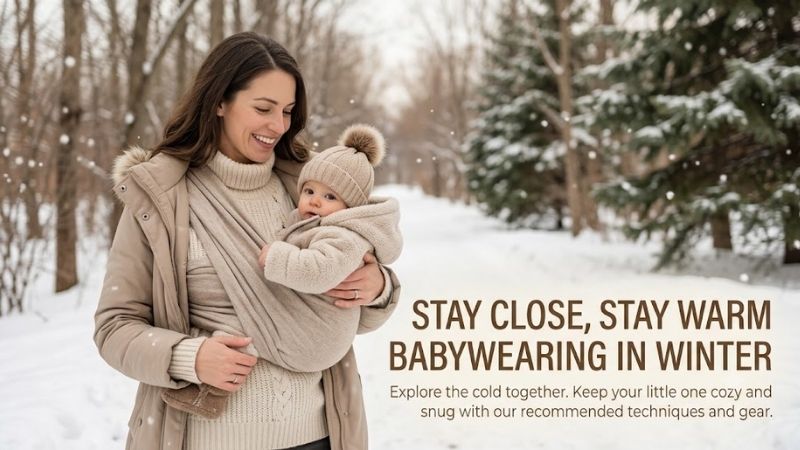
Selecting insulated equipment allows caregivers to master babywearing in winter while ensuring physical warmth during outdoor strolls. Smart buyers inspect protective weather shells, breathable inner textiles, and flexible adjustment points to guarantee a snug carry that shields developing infants against bitter frost.
Thermal Insulation and Fabric Breathability
Layered fleece lining protects fragile newborn skin against frigid outdoor winds during long afternoon walks in subzero weather. High quality synthetic fleece traps radiant body heat effectively without adding excessive bulk, preventing harsh winter chills from penetrating through the protective outer panels of your baby carrier.
Moisture-wicking interior fabrics allow ambient body vapor to dissipate smoothly, avoiding sweaty dampness that can trigger rapid hypothermia outdoors. Parents should ensure that soft inner textiles maintain dry comfort during brisk strolls, providing a snug microclimate that keeps restless infants calm throughout icy excursions.
Ergonomic Positioning Beneath Winter Layers
Proper physiological positioning represents an essential foundation for babywearing in winter without compromising physical safety. Certified carriers keep an infant pelvis in an ergonomic spread-squat position, commonly called the healthy M-shape that supports natural orthopedic hip joint growth beneath thick wraps.
A curved C-shape spinal alignment permits developing babies to rest securely against a caregiver chest without compressed posture. Quality winter carriers feature expandable panels that adjust around extra infant knitwear, ensuring knee-to-knee thigh reinforcement that stops dangerous numbness during freezing family walks outside.
Weather-Resistant Shell and Windproof Features
Treated nylon exterior shells protect carriers from falling sleet, icy snow flurries, and piercing winter drafts during errands. Durable water-repellent coatings cause melting snowflakes to bead up and roll away quickly, preventing moisture from soaking through to internal cotton layers where sensitive babies rest peacefully.
Integrated head hoods and elasticized wind guards create effective thermal barriers around small infant necks and delicate cheeks. Adjustable cord locks allow parents to seal chilly gaps without obstructing airflow, giving caregivers immense peace of mind when navigating gusty sidewalks during routine morning grocery runs.
Sizing Flexibility for Parental Outerwear
Adjustable harness webbing ensures that carriers fit comfortably over thick coats, making babywearing in winter effortless and relaxing. Extended strap lengths prevent awkward chest constriction, allowing parents to secure their infants snugly without straining shoulder seams or restricting necessary personal mobility on icy paths.
Quick-release buckles designed with textured grip tabs allow effortless unfastening even when caregivers wear thick thermal gloves. Seamless strap routing minimizes bulky pressure points beneath heavy outerwear, ensuring caregivers remain relaxed while carrying heavier toddlers across extended holiday family trips outside.
Top Picks for Cold Weather Baby Carriers
Investing in weatherized carriers helps parents enjoy babywearing in winter without enduring hypothermia risks or physical fatigue. The following vetted collection highlights popular marketplace choices that balance proven durability, thermal protection, and superb comfort across chilly neighborhood strolls.
| Model Name | Carrier Category | Child Weight Limit | Primary Advantage | | Ergobaby Omni Deluxe | All Weather Soft Pack | 7 to 45 Pounds | Integrated Thermal Shell | | Boba Classic Wrap | Heavy French Terry | 7 to 35 Pounds | Direct Body Heat Sharing | | BabyBjörn Harmony 3D | Padded Fleece Hybrid | 7 to 40 Pounds | Windproof Front Shield | | Tula Explore Coast | Canvas Buckle Carrier | 7 to 45 Pounds | Adaptable Cold Layers |
Ergobaby Omni Deluxe All-Weather Carrier
This heavy-duty carrier suits active winter parents who want comprehensive weather protection throughout freezing outdoor trails. Its integrated stowable weather cover shields delicate cheeks from sleet and bitter winds, providing instant thermal reinforcement without requiring parents to buy expensive separate covers.
Padded lumbar support belts distribute heavy child weight evenly across parent hips, minimizing lower back fatigue during icy walks. While the dense multi-layer fabric feels slightly heavy during warmer indoor transitions, the supreme weather protection and ergonomic versatility make it a premier choice for cold climates.
Boba Classic Heavyweight Baby Wrap
Caregivers seeking natural chest-to-chest warmth for small newborns will love this thick French terry wrap for babywearing in winter. The dense organic knit wraps tightly around your torso, creating a cozy cocoon that utilizes natural parental body heat to protect sensitive infants against dropping January temperatures.
Novice parents appreciate the generous fabric yardage that easily layers beneath oversized maternity coats or warm cardigans. However, the lengthy fabric tails can brush against slushy sidewalks during outdoor parking-lot wrapping routines, requiring wearers to tie their initial knots carefully before leaving home.
BabyBjörn Harmony Fleece Hybrid Carrier
Parents living in snowy northern regions will appreciate this plush carrier engineered specifically for bitter subzero strolls. It features a padded front panel lined with windproof microfleece that stops drafts instantly, eliminating the need to bundle infants in hazardous puffy snowsuits before departing for walks.
Ergonomic waist supports relieve shoulder tension effectively when carrying growing infants across slippery, snow-packed paths. On the other hand, the specialized thermal construction carries a higher price tag, and the sturdy padded structure packs away less compactly inside small diaper bags during winter vacations.
Tula Explore Cold Weather Canvas Carrier
Style-conscious families desiring simple buckle mechanics and vibrant aesthetics will find tremendous value in this rugged canvas carrier. Its heavy cotton duck fabric acts as a natural windbreak, providing robust insulation when combined with an external babywearing sweater or waterproof protective jacket on snowy days.
Padded neck support cushions protect sleeping children gently, reinforcing essential comfort during chilly holiday shopping excursions. Although the rigid cotton canvas demands a short break-in period to reach maximum pliability, the durable craftsmanship and cheerful patterns provide lasting winter value.
Frequently Asked Questions About Winter Babywearing
Venturing outside during frosty seasons raises practical questions regarding babywearing in winter safely and comfortably. Exploring these straightforward answers helps caregivers manage safe layering, proper airflow, and optimal warmth, ensuring enjoyable and secure outdoor adventures throughout freezing months.
Should Infants Wear Puffy Snowsuits Inside Carriers?
Pediatric safety guidelines strongly warn against dressing babies in bulky snowsuits or slick puffy coats inside structured carriers. Excessive padding prevents straps from tightening securely against the body, allowing infants to slump into unsafe postures that could potentially compromise clear respiratory pathways.
Instead of bulky suits, dress your child in fitted fleece footies and thin thermal base layers before securing them against your body. Your shared body warmth paired with an exterior babywearing coat or carrier cover provides ideal thermal insulation while keeping your infant hips and spine in certified ergonomic alignment.
How Do Caregivers Monitor Infant Body Temperature?
Checking the back of an infant neck or upper chest provides the most accurate reading of their true physical comfort level. Cold extremities like hands and feet are normal in chilly air, but a clammy or sweaty neck signals that your child is dangerously overheated beneath multiple winter outerwear layers.
Caregivers should adjust zippers or remove external blankets immediately if an infant exhibits flushed cheeks or noticeable restlessness. Selecting breathable natural fabrics ensures that your family maintains healthy airflow without compromising sensitive thermal balance during long holiday outings.
How Can Parents Keep Infant Extremities Warm?
Tiny hands, feet, and heads lose heat rapidly because they remain exposed beyond the carrier seat during babywearing in winter. Dressing your child in insulated fleece booties, wool socks, and a snug fleece bonnet guarantees thorough peripheral insulation without introducing hazardous slack into your harness setup.
Choose winter booties featuring secure hook-and-loop ankle straps to prevent shoes from slipping off unnoticed in deep snow drifts. Ensuring that mittens stay firmly attached allows your child to enjoy crisp winter air safely, keeping delicate skin protected from windburn during refreshing morning neighborhood walks.
What Precautions Prevent Caregiver Slips on Ice?
Walking while carrying a child in front changes your natural center of gravity, making slip prevention absolutely critical on icy terrain. Wearing sturdy winter boots equipped with aggressive rubber treads or attaching traction cleats provides the dependable footing necessary to prevent catastrophic falls during freezing walks.
Taking shorter, deliberate steps and keeping both hands free allows you to maintain balance easily when navigating slick patches of hidden ice. Avoiding slippery stone staircases and poorly cleared neighborhood pathways guarantees that your outdoor babywearing adventures remain completely secure, relaxing, and enjoyable.
Final Thoughts on Winter Babywearing
Mastering safe babywearing in winter transforms frosty outdoor strolls into warm, peaceful bonding opportunities for your family. By choosing weatherized carriers, avoiding bulky snowsuits, and sharing body heat under protective coats, you ensure your infant stays cozy while exploring winter wonders with total comfort.






Write Your Review
No reviews yet. Be the first to share your experience!