
Key takeaways
- No stated adult waist range, child weight range, or minimum developmental requirements.
- A waistband that is narrow, rolls easily, or leaves all the weight hanging from the shoulders.
- Loose stitching, frayed webbing, cracked buckles, or straps that slip after adjustment.
- Marketing that promises to cure back pain or replace professional medical advice.
- A headrest or fabric panel that can obstruct the child’s nose, mouth, or line of sight.
- No washing instructions, warranty information, or usable return policy.
- Claims of “ergonomic” support without details about hip positioning, lumbar coverage, or weight limits.
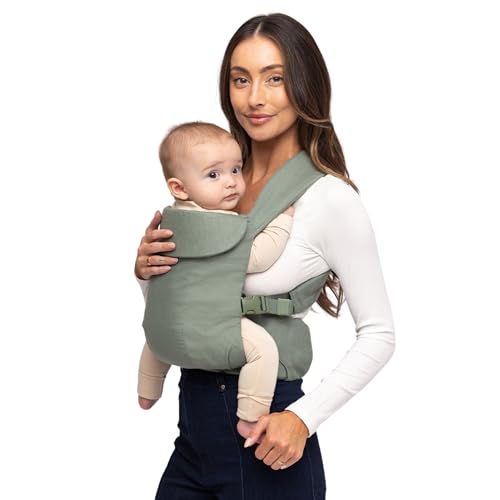
Shopping for carrier lumbar support is easy to get wrong because the term can describe two very different products: a support belt worn around your own lower back, or a padded waistband built into a baby carrier. A belt such as the BraceAbility lumbar brace, listed at about $29.99, is designed to stabilize the wearer. A structured baby carrier, such as the WildBird Aerial, uses lumbar support to distribute a child’s weight across the adult’s waist, hips, and shoulders.
The most common mistake is choosing by appearance or padding alone. A thick waistband is not automatically supportive, and a low price does not necessarily mean poor comfort. Buyers also overlook torso length, waist range, child weight limits, buckle placement, and whether the carrier can be adjusted without assistance. If you are comparing options in 2026, focus first on fit and load distribution, then evaluate materials, construction, and long-term value.
Our top picks



As an Amazon Associate we earn from qualifying purchases at no extra cost to you. Ratings are shown as listed on Amazon.
Decide These 3 Things First
- What kind of support do you need? Decide whether you want a standalone lumbar brace for work, lifting, or prolonged standing, or a baby carrier with an integrated lumbar waistband.
- How will you carry? Front carrying generally needs simple waist and shoulder adjustments, while back carrying demands a secure buckle system, a supportive waistband, and controls that can be reached safely.
- Who will use it? If two adults will share one carrier, prioritize a broad adjustable range. If one person will use it, a closer-fitting design may feel more stable and comfortable.
Size and Fit
Fit is the most important answer to what to look for in carrier lumbar support. For a baby carrier, measure around the waist where the waistband will sit, usually just above the hips. Many structured carriers cover approximately 25 to 55 inches, but ranges vary. Leave enough adjustment for winter clothing without relying on the tightest or loosest setting.
Check the carrier’s child range as carefully as the adult range. Common structured models accommodate babies from about 7 to 45 pounds, although the minimum often requires an infant insert or a specific height and developmental milestone. Some products are marketed for roughly 2 to 24 months, but age is only a guide. A child should meet the manufacturer’s minimum weight, height, and head-control requirements.
For a lumbar brace, measure the waist rather than guessing from clothing size. A brace intended for everyday wear often covers about 28 to 48 inches, while extended sizes may reach 60 inches or more. The support should sit across the lower back without riding up into the ribs or pressing sharply into the hips.
Look for at least 4 to 6 inches of vertical lumbar coverage in a brace and a waistband wide enough to spread a baby carrier’s load across the pelvis. A narrow strap can feel restrictive under a heavy child, even when its buckles are secure.
Material and Breathability
Material affects heat, friction, odor, and cleaning effort. Mesh panels and moisture-wicking fabric are useful if you carry outdoors, commute, or live in a warm climate. For a baby carrier, a breathable 3D mesh panel can reduce heat between the adult and child, but it should not replace padding at the waistband and shoulder straps.
Look for fabric that is soft against bare skin and free from rough seams along the waist. Cotton blends can feel comfortable but may dry slowly. Polyester and nylon tend to dry faster and resist abrasion. A practical combination is a durable outer shell, breathable inner panels, and removable or washable drool pads.
Check care instructions before buying. A machine-washable carrier is easier to maintain than one requiring spot cleaning only. Washing temperatures around 30 to 40 degrees Celsius, or approximately 86 to 104 degrees Fahrenheit, are common, but always follow the product label. Avoid assuming that every buckle or foam insert can go in a dryer.
Construction and Load Distribution
Good lumbar support should transfer weight rather than simply squeeze the lower back. In a baby carrier, the waistband should anchor around the adult’s hips, while padded shoulder straps stabilize the upper body. The child’s seat should support the thighs from knee to knee, creating a wide, supported position rather than allowing the legs to hang straight down.
Inspect the stitching at high-load points, particularly where the shoulder straps meet the body panel and where the waistband connects to the carrier. Box stitching, reinforced webbing, and multiple adjustment points are useful signs of a load-bearing design. Buckles should close with an audible or tactile snap and remain flat enough not to dig into the wearer.
A lumbar brace uses a different construction. Flexible stays, elastic panels, or compression straps can provide a feeling of stability, while rigid stays offer more structure but may restrict movement. For general standing and light lifting, flexible support is usually easier to wear for several hours. Do not treat a brace as a substitute for medical evaluation if back pain is severe, persistent, or associated with numbness or weakness.
Comfort and Performance
Comfort depends on pressure distribution, adjustability, and movement. A baby carrier should keep the child high enough for easy monitoring without forcing the adult to lean backward. The child’s face must remain visible and unobstructed, with the chin off the chest and the airway clear. A headrest can offer support during naps, but it should not cover the child’s face.
Prioritize padded shoulder straps that are at least about 2 inches wide, a waistband that does not fold under load, and adjustment points that can be reached while wearing the carrier. Cross straps may suit some body shapes, while parallel straps can feel more familiar to people used to backpacks. Neither layout is automatically better; the right choice is the one that sits flat and does not pull the carrier away from your body.
For front and back carrying, check the recommended positions and weight limits separately. A carrier that feels comfortable with a 12-pound baby may feel very different at 30 pounds. Begin with short sessions of 10 to 20 minutes and adjust the straps before increasing wear time.
Price Tiers
Budget options generally cost about $25 to $70. This tier includes standalone lumbar braces, simple soft carriers, and entry-level support products. The BraceAbility lumbar brace example is priced at $29.99 and is aimed at adjustable compression for work, lifting, or standing. At this level, inspect sizing, fabric durability, and return terms closely.
Midrange structured baby carriers usually cost about $90 to $170. Expect better padding, more adjustment range, front and back carry options, and stronger hardware. The Ergonomic Lumbar Support Baby Carrier for Dad example is listed at $119.99. The WildBird Aerial examples fall near the upper end of this tier, with listed prices of $169.99 and $178.
Premium options cost approximately $170 to $300 or more. You may be paying for refined fabrics, easier adjustments, included accessories, expanded size ranges, and more polished finishing rather than dramatically stronger lumbar support. Compare the actual specifications instead of assuming price alone predicts comfort.
Warranty and Returns
A warranty is particularly important for buckles, stitching, and webbing because those parts carry the load. Look for at least a one-year limited warranty; some premium brands offer longer coverage against manufacturing defects. Confirm whether normal wear, stains, improper washing, and accidental damage are excluded.
Returns matter because fit cannot be judged from photographs. A useful policy provides at least 30 days and allows an unused or gently tried-on carrier to be returned. Keep packaging until you have tested the waistband, shoulder straps, and child-position adjustments indoors. If a retailer lists final-sale conditions, be confident about the size before ordering.
Delivery and Assembly
Most baby carriers arrive assembled, but you may need to thread straps, attach a headrest, or install an infant insert. Allow 10 to 20 minutes to read the manual and practice every buckle before carrying a child. A lumbar brace usually needs no assembly, but its compression straps may require careful positioning.
Check delivery timing if you need the carrier for travel or a new-baby arrival. Standard shipping commonly takes 3 to 7 business days, while expedited delivery may take 1 to 2 business days at an added cost. Inspect the package immediately for missing buckles, torn stitching, or crushed padding. Do not use a carrier with damaged load-bearing components.
Spec Checklist
| Spec | Budget | Mid | Premium |
|---|---|---|---|
| Typical price | $25–$70 | $90–$170 | $170–$300+ |
| Adult waist range | About 28–48 in. | About 25–55 in. | About 22–60 in. or multiple size options |
| Child weight range | Often 7–30 lb | Often 7–45 lb | Often 7–45 lb, with broader adjustment |
| Carry positions | Usually one or two | Front and back common | Front, back, and more specialized adjustments |
| Waistband | Basic padding, approximately 3–5 in. wide | Padded, approximately 4–7 in. wide | Contoured, reinforced, approximately 5–8 in. wide |
| Warranty target | 90 days to 1 year | At least 1 year | 1–3 years or longer |
Red Flags
- No stated adult waist range, child weight range, or minimum developmental requirements.
- A waistband that is narrow, rolls easily, or leaves all the weight hanging from the shoulders.
- Loose stitching, frayed webbing, cracked buckles, or straps that slip after adjustment.
- Marketing that promises to cure back pain or replace professional medical advice.
- A headrest or fabric panel that can obstruct the child’s nose, mouth, or line of sight.
- No washing instructions, warranty information, or usable return policy.
- Claims of “ergonomic” support without details about hip positioning, lumbar coverage, or weight limits.
FAQ
Is lumbar support necessary in a baby carrier?
It is not mandatory for every wearer, but a supportive waistband can make heavier carrying more comfortable by transferring some load to the hips. Proper fit, child positioning, and balanced shoulder straps matter just as much as the label on the product.
Can I use a lumbar brace while wearing a baby carrier?
Sometimes, but a separate brace may interfere with the carrier waistband, create pressure points, or encourage an overly tight fit. Try the combination without a child first. If it causes pain, numbness, restricted breathing, or reduced stability, stop using it and seek professional guidance.
What is the best carrier waist size for two adults?
Measure both users and choose a carrier whose stated range includes each person without either user sitting at the extreme end of adjustment. A range of about 25 to 55 inches accommodates many adults, but body shape and torso length still determine whether the waistband sits correctly.
How long can I wear a lumbar-support carrier?
Start with 10 to 20 minutes, check the child’s position and your own comfort, and build gradually. Take breaks before pain or numbness develops. A carrier should not cause persistent back, hip, shoulder, or neck discomfort; if it does, reassess the fit and stop using it until the problem is resolved.


Write Your Review
No reviews yet. Be the first to share your experience!