
Key takeaways
- Try Before You Buy: Libraries carry an extensive inventory of woven wraps, ring slings, and soft structured carriers, allowing you to test how different fabrics interact with your body type and your baby’s weight.
- Expert Fit Checks: Certified educators observe your carrying technique and provide immediate, hands-on micro-adjustments to ensure your infant’s airway remains visible and their hips rest in the safe M-shape position.
- Cost-Effective Rentals: Instead of purchasing newborn-specific gear that your child outgrows in three months, you can rent appropriately sized carriers for a fraction of the retail cost.
What's inside
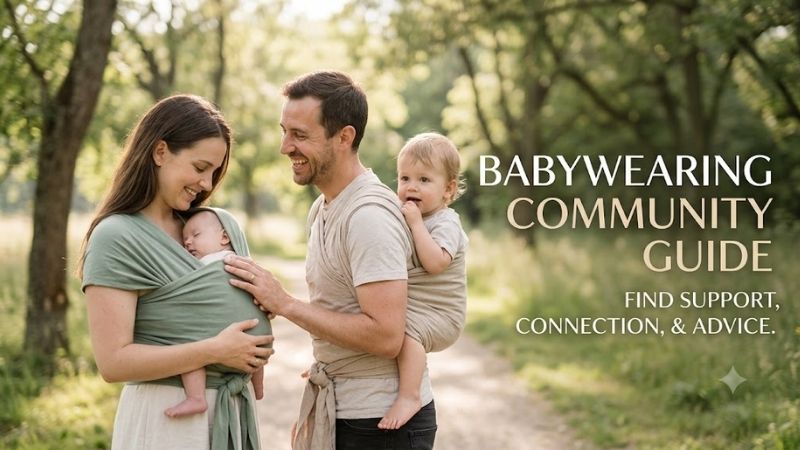
Finding support during early parenthood transforms your entire journey. This babywearing community guide helps you locate local sling libraries, join active online forums, and meet certified educators. Connecting with fellow parents provides hands-on fitting advice, emotional encouragement, and the lasting social connections you absolutely need.
Understanding The Value Of A Sling Library
Sling libraries operate as community hubs where trained volunteers help you safely test various carriers before committing to an expensive purchase. These local meetups offer personalized fit checks, troubleshooting for specific physical needs, and a welcoming environment for caregivers to share their genuine struggles and triumphs in parenthood.
- Try Before You Buy: Libraries carry an extensive inventory of woven wraps, ring slings, and soft structured carriers, allowing you to test how different fabrics interact with your body type and your baby’s weight.
- Expert Fit Checks: Certified educators observe your carrying technique and provide immediate, hands-on micro-adjustments to ensure your infant’s airway remains visible and their hips rest in the safe M-shape position.
- Cost-Effective Rentals: Instead of purchasing newborn-specific gear that your child outgrows in three months, you can rent appropriately sized carriers for a fraction of the retail cost.
How To Find Your Local Babywearing Group
Discovering active groups in your neighborhood requires searching beyond standard social media feeds. Specialized directories managed by national carrying organizations frequently list verified meetups, certified consultants, and peer supporters. Attending these gatherings introduces you to diverse carrying techniques and deepens your local network.
- Consult National Directories: Websites like the Center for Babywearing Studies (CBWS) maintain updated maps of certified consultants and affiliated local groups hosting monthly meetings.
- Search Location-Specific Keywords: Use Facebook’s search function with your city’s name followed by “babywearing” or “sling library.” Many independent volunteer groups operate exclusively through private local Facebook groups.
- Ask Birth Professionals: Local doulas, midwives, and lactation consultants frequently collaborate with carrying educators and can direct you to the most active, welcoming parent circles in your immediate area.
Navigating Online Babywearing Forums Safely
Digital communities provide incredible convenience for late-night questions, but navigating them requires understanding specific group rules and terminology. Most online forums prioritize evidence-based safety standards over casual opinions, meaning moderators actively guide discussions toward ergonomic practices that protect your infant’s airway.
- Learn The Acronyms: Online marketplaces heavily rely on shorthand. You will frequently see “ISO” (In Search Of), “DISO” (Desperately In Search Of), and “FSOT” (For Sale Or Trade) when parents exchange gear.
- Prioritize Safety Rules: Reputable groups stringently enforce the T.I.C.K.S. rule (Tight, In view, Close enough to kiss, Keep chin off chest, Supported back). If you post a “fit check” photo, expect direct, safety-first feedback.
- Filter Overwhelming Advice: Remember that a carrier praised by thousands online might still hurt your specific back. Use digital forums to narrow down your options, but prioritize how a carrier actually feels on your body.
Community-Approved Carriers For Beginners
When you first attend a local meetup, you will immediately notice certain brands dominating the room due to their proven reliability. Experienced community members consistently recommend these specific structured carriers and slings because they offer intuitive adjustments, exceptional longevity, and guaranteed ergonomic support for growing infants.
1. Tula Free-To-Grow Baby Carrier
The Tula Free-To-Grow regularly appears at community meetups because its panel seamlessly adjusts without requiring a bulky infant insert. Group educators frequently utilize this exact model to teach new parents about maintaining the crucial M-shape sitting position while easily accommodating different caregiver body types during shared wearing.
- Best For: First-time parents seeking an easily adjustable, community-loved structured carrier.
- Key Features: 100% Oeko-Tex certified cotton, three-width and two-height panel adjustments, padded shoulder straps, front and back carry options, fits 7 to 45 lbs.
- Pros: Requires no extra newborn insert; the highly intuitive design means less frustration for beginners; it is widely available in local sling library stashes for easy testing.
- Cons: The straps cross in an H-pattern across the back, which some wearers with very narrow shoulders find slightly prone to slipping compared to X-pattern cross straps.
- Use Case: Ideal for long neighborhood walks or extended wear during community events where quick, stress-free adjustments between partners are necessary.
- Who It’s For: Caregivers who want a reliable, plug-and-play buckle carrier that local educators know inside and out and can easily help them fit perfectly.
2. Maya Wrap Lightly Padded Ring Sling
Ring slings frequently intimidate beginners, making them a popular topic at local library sessions where educators demonstrate proper threading. The Maya Wrap features a lightly padded shoulder that drastically reduces physical strain, allowing caregivers to confidently practice mastering the deep seat technique without experiencing neck fatigue.
- Best For: Parents wanting quick ups and downs while navigating errands or doing household chores.
- Key Features: 100% hand-loomed cotton, integrated zippered pocket in the tail, lightly padded shoulder ring design, fits infants from 8 to 35 lbs.
- Pros: The built-in shoulder pad disperses weight beautifully; the tail fabric doubles as a nursing cover; incredibly fast to put on once you master the basic threading mechanics.
- Cons: Because it is a one-shoulder carrier, asymmetrical weight distribution can cause back fatigue during exceptionally long walks or hikes.
- Use Case: Perfect for quick trips into the grocery store or soothing a teething baby while preparing dinner at home.
- Who It’s For: Multitasking parents who value speed and aesthetic elegance, and who have access to local peers willing to help them perfect the ring-threading process.
3. Didymos Woven Wrap
Woven wraps represent the ultimate versatile carrying tool heavily celebrated within dedicated online attachment parenting groups. Didymos offers unmatched supportive strength through its organic cotton fabric, empowering wearers to experiment with complex back carries once they successfully graduate from foundational front-wrapping techniques.
- Best For: Dedicated wearers seeking absolute custom fit and unmatched carrying versatility.
- Key Features: 100% organic cotton woven fabric, naturally diagonal stretch, incredibly durable construction, accommodates newborns through heavy toddlerhood.
- Pros: Molds perfectly to any body shape; distributes weight evenly across both shoulders and hips; lasts for years without losing structural integrity.
- Cons: The long fabric poses a steep learning curve; tying ends in a muddy parking lot can be frustrating until you build significant muscle memory.
- Use Case: Deep, secure bonding during the newborn phase and highly supportive back-carrying for toddlers on long nature walks.
- Who It’s For: Patient caregivers who view babywearing as a long-term skill and want the ultimate, highly supportive blank canvas for custom tying.
Buying Guide: Choosing Your First Community Carrier
Entering a meetup with dozens of options feels overwhelming, so selecting your first piece of gear requires understanding your specific daily needs. By evaluating how different fabrics and structures align with your local climate and personal mobility, you can confidently invest in a carrier that encourages frequent use and social participation.
- What to Look For: Always seek brands carrying the International Hip Dysplasia Institute (IHDI) acknowledgment. Look for designs that prioritize your lumbar support alongside your baby’s comfort.
- Why It Matters: Community-backed carriers ensure you can easily find local or online troubleshooting advice. If you buy a highly obscure brand, local educators might struggle to help you optimize the fit.
- Who Needs What: Parents seeking in-person support should stick to popular structured brands like Tula. Those willing to learn via online video tutorials might prefer the customizability of woven wraps.
- The Trade-off: Standard buckle carriers offer speed and local support but lack aesthetic uniqueness. Artisanal woven wraps provide stunning visuals and tailored support but require significant practice and patience to master.
Frequently Asked Questions
Newcomers joining any babywearing community guide discussion typically share identical concerns regarding safety protocols and social etiquette. Reviewing these common questions before attending your very first meetup significantly reduces anxiety and thoroughly prepares you to engage meaningfully with both certified educators and fellow parents.
Do I need to own a carrier before attending a meetup? Absolutely not. In fact, most educators prefer that you attend a meeting empty-handed before spending any money. The primary purpose of a library is to let you test their diverse stash so you can discover what actually feels comfortable on your body.
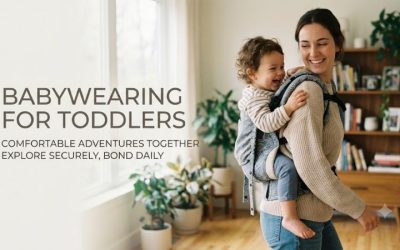
Can I bring my older toddler to a local group? Yes, most community meetups are heavily geared toward families and warmly welcome older siblings. Many groups specifically offer toddler-wearing advice and stock larger preschool-sized carriers, recognizing that older children frequently need a safe place to rest during long outings.
How do I safely wash a borrowed library carrier? Always ask the librarian for their specific washing instructions before taking an item home. Generally, you should spot-clean minor spills. If a full wash is strictly necessary, use a liquid detergent free of optical brighteners, wash on a delicate cold cycle, and strictly air dry the fabric to prevent shrinking or damaging the buckles.
Conclusion
Embracing a babywearing community guide completely transforms your early parenting experience from an isolating challenge into a shared adventure. Whether you attend local library meetups or join active digital forums, connecting with supportive caregivers ensures you safely master carrying techniques while building lasting, meaningful friendships.




Write Your Review
No reviews yet. Be the first to share your experience!