
Key takeaways
- Airway Protection: Proper vertical carrying prevents the baby’s chin from dropping to their chest. This keeps the trachea open and completely unobstructed during digestion.
- Abdominal Soothing: The gentle, rhythmic bounce of walking combined with the subtle pressure of being chest-to-chest naturally massages the baby’s digestive tract, helping them pass trapped gas.
- Reduced Regurgitation: By keeping the stomach physically lower than the esophagus, gravity acts as a mechanical barrier, preventing acidic stomach contents from traveling upward.
What's inside
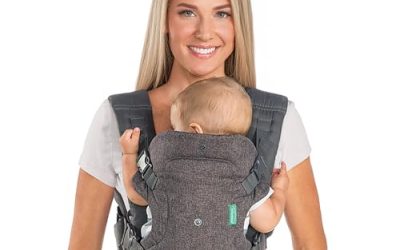
Managing a baby with acid reflux is exhausting, but combining babywearing and reflux strategies offers immediate, natural relief. Keeping your infant in a safe, upright position after feedings allows gravity to aid digestion, significantly reducing painful spit-ups and fussiness while keeping your hands free for daily tasks.
The Science: How Upright Positioning Aids Digestion
Understanding the anatomical connection between babywearing and reflux management is vital for parental confidence. A newborn’s lower esophageal sphincter is immature, allowing stomach acid to escape easily. Maintaining a vertical posture utilizes gravity to keep milk down, effectively minimizing severe gastroesophageal discomfort.
- Airway Protection: Proper vertical carrying prevents the baby’s chin from dropping to their chest. This keeps the trachea open and completely unobstructed during digestion.
- Abdominal Soothing: The gentle, rhythmic bounce of walking combined with the subtle pressure of being chest-to-chest naturally massages the baby’s digestive tract, helping them pass trapped gas.
- Reduced Regurgitation: By keeping the stomach physically lower than the esophagus, gravity acts as a mechanical barrier, preventing acidic stomach contents from traveling upward.

Essential Techniques for Safe Reflux Babywearing
Proper structural alignment is critical when executing a vertical carry for an infant experiencing gastroesophageal distress. Correctly positioning your child ensures their delicate airway remains completely unobstructed while placing optimal, gentle pressure on their developing digestive tract to naturally encourage trapped gas release.
- The T.I.C.K.S. Rule: Always ensure the baby is Tight, In view at all times, Close enough to kiss, Keep chin off the chest, and Supported back. This prevents dangerous slumping.
- Monitor Waistband Tension: Fasten the carrier’s waistband over your natural waist rather than your hips. Ensure it supports their bottom without aggressively squeezing their delicate stomach.
- Post-Feeding Timing: Wait approximately five to ten minutes after burping before placing them in the carrier to avoid sudden abdominal compression immediately following a large meal.
Top-Rated Carriers for Managing Infant Reflux
Selecting the ideal ergonomic gear requires evaluating specific structural designs that prioritize vertical stabilization. The following top-rated carriers are specifically engineered to provide exceptional upright support, ensuring both optimal digestive alignment for your baby and sustained, heavy-duty comfort for the active parent.
1. Ergobaby Omni Breeze
- Best For: Maximum airflow and structured upright newborn positioning.
- Key Features: SoftFlex Mesh material, padded lumbar support, adjustable seat width, and crossable shoulder straps. Accommodates 7 to 45 pounds.
- Pros: The rigid structural panel holds the baby perfectly vertical against your chest. Highly breathable mesh fabric prevents overheating, which can exacerbate baby fussiness.
- Cons: The thick, heavy-duty waistband can feel slightly restrictive and cumbersome when sitting down for extended periods.
- Use Case: Ideal for parents who need a highly structured, hands-free solution for walking around the house immediately after a morning feeding.
- Who It’s For: Caregivers of reflux-prone babies who also suffer from lower back pain and desperately require robust lumbar stabilization.
2. Nalakai Ring Sling
- Best For: Quick adjustments and rapid up-and-down access.
- Key Features: Made from a custom bamboo and linen blend, features seamless aluminum rings, and effortlessly creates a deep, ergonomic M-position seat.
- Pros: Incredibly fast to put on when a baby starts crying. The soft fabric conforms exactly to the baby’s spine, providing customized vertical support without rigid panels.
- Cons: Total weight is distributed entirely over one shoulder, which may cause parental muscle fatigue during remarkably long, continuous carries.
- Use Case: The ultimate solution for short, 30-minute intervals post-feeding where the baby needs to be kept upright before being laid down to sleep.
- Who It’s For: Parents seeking a lightweight, packable option that allows for rapid insertion and removal of a fussy, heavily spitting-up infant.
3. Moby Classic Wrap
- Best For: Snug, womb-like comfort and precise custom tension control.
- Key Features: 100 percent cotton fabric, generous 5.5-meter length, completely hardware-free design, and highly durable machine washable construction.
- Pros: Allows you to tie the fabric securely to ensure the baby’s torso remains perfectly straight. Readily washes clean after inevitable, messy spit-up accidents.
- Cons: The lengthy fabric drags on the floor during the initial tying process, making outdoor application in parking lots somewhat inconvenient.
- Use Case: Perfect for the newborn “fourth trimester” phase where parents spend the majority of their time soothing the infant safely at home.
- Who It’s For: Caregivers of newborns under 15 pounds who prioritize soft, gentle compression to simultaneously soothe both acid reflux and colic symptoms.
Reflux Carrier Buying Guide
Investing in specialized gear demands a clear understanding of the structural elements that differentiate standard models from reflux-friendly options. Evaluating these specific criteria ensures you purchase a dependable device that delivers secure vertical positioning, long-term durability, and reliable daily utility for your family.
Upright Torso Support
- What: A carrier back panel that extends high enough to solidly support the back of the baby’s neck and keeps their spine vertically aligned.
- Why: It physically prevents the infant from slumping forward, which compresses their small stomach and forcefully pushes acid upward into the esophagus.
- Who: Any parent managing severe gastroesophageal reflux disease (GERD) in young infants lacking independent, sustained head control.
- Trade-off: Highly structured panels can feel somewhat stiff and bulky compared to elastic wraps, slightly reducing the carrier’s compact travel packability.
Machine Washability
- What: Heavy-duty fabrics that can withstand hot water cycles and strong detergents without losing structural integrity or fading prematurely.
- Why: Babies suffering from reflux spit up frequently. You will need to comprehensively clean the carrier multiple times a week to maintain hygiene and prevent odors.
- Who: All caregivers utilizing babywearing as a primary, daily strategy for immediate post-feeding infant digestive management.
- Trade-off: Extremely durable, highly washable fabrics like heavy cotton canvas may require a brief physical break-in period before reaching maximum softness.
Frequently Asked Questions
Navigating the complexities of infant digestion often raises important concerns regarding strict safety protocols and proper daily routines. Addressing these highly specific questions helps parents build unwavering confidence and optimize their daily carrying experience while effectively managing their child’s severe reflux symptoms.
How long should I wear my baby after feeding? Medical professionals generally recommend maintaining your infant in an upright position for roughly twenty to thirty minutes immediately following a feeding. Utilizing a carrier during this critical digestive window allows gravity to pull stomach contents downward, significantly reducing the likelihood of painful acid regurgitation.
Can tummy-to-tummy babywearing make reflux worse? Executing a proper tummy-to-tummy carry actually improves digestive symptoms by applying gentle, soothing pressure to the infant’s abdomen. However, you must ensure the waistband is not strapped too tightly against their stomach, as excessive abdominal compression can inadvertently force milk back up into their sensitive esophagus.
Conclusion
Successfully integrating babywearing and reflux management transforms how you soothe your child, offering unparalleled relief without sacrificing your physical mobility. By prioritizing safe upright positioning and investing in an ergonomic carrier, you can comfortably support their digestion and navigate daily tasks with absolute ease.






Write Your Review
No reviews yet. Be the first to share your experience!