
Key takeaways
- Gathered shoulder: Fabric is bunched at the rings. It is adjustable and compact, but it may need more careful spreading across the shoulder.
- Pleated shoulder: Sewn folds create a more structured spread. This can be easier for newer users but may feel less customizable.
- Wide or hybrid shoulder: Designed to fan fabric over roughly 6 to 10 inches of the shoulder and upper back. This is often comfortable for longer carries, especially with children over 15 pounds.
What's inside
- Decide These 3 Things First
- Size: Fabric Length, Width, and Ring Diameter
- Material: Choose a Woven Fabric With the Right Balance
- Construction: The Seam and Shoulder Matter as Much as the Fabric
- Comfort and Performance: Support, Adjustability, and Heat Control
- Price Tiers: What Your Money Usually Buys
- Warranty, Returns, and Delivery/Assembly
- Spec Checklist
- Red Flags
- FAQ
Shopping for a ring sling can seem simple: it is just fabric, two rings, and a shoulder. In practice, the fabric choice determines whether the sling feels supportive or saggy, cool or clammy, easy to tighten or frustratingly slippery. Many shoppers make the same mistakes: choosing by color alone, buying fabric that is too thin for their child’s stage, confusing a loose ring set with a finished carrier, or assuming that a “soft” fabric will automatically be comfortable for long carries.
- Decide These 3 Things First
- Size: Fabric Length, Width, and Ring Diameter
- Material: Choose a Woven Fabric With the Right Balance
- Construction: The Seam and Shoulder Matter as Much as the Fabric
- Comfort and Performance: Support, Adjustability, and Heat Control
- Price Tiers: What Your Money Usually Buys
- Warranty, Returns, and Delivery/Assembly
- Spec Checklist
- Red Flags
- FAQ
The right ring sling fabric should be strong, breathable, easy to adjust, and appropriate for both the baby’s weight and the wearer’s climate. It should also work safely with properly rated rings and a well-made shoulder seam. In 2026, there are more fabric blends and budget options than ever, but the basics have not changed: choose a woven fabric with enough grip and support, inspect construction closely, and buy a size that gives you a usable tail without creating excessive bulk.
As an Amazon Associate we earn from qualifying purchases at no extra cost to you. Product prices and availability are accurate as of the date shown and are subject to change.


Decide These 3 Things First
- Your child’s current size and likely carrying period. A newborn may weigh 7 to 10 pounds, while a toddler can reach 25 to 35 pounds quickly. A thin cotton sling may feel pleasant with a 10-pound baby but less supportive during a 45-minute carry with a 30-pound toddler.
- Your climate and typical use. For warm-weather errands, prioritize breathable linen, cotton, or hemp blends. For indoor use or cool weather, a denser cotton weave, wool blend, or thicker woven fabric can offer more cushion and support.
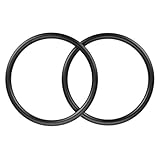
- Whether you are buying a complete sling or components. A finished ring sling includes fabric, rings, stitching, and instructions. A $5.99 set of 3-inch aluminum rings is a component for sewing or converting suitable fabric; it is not a ready-to-use baby carrier. A low-cost pouch or ring sling may be convenient, but carefully verify its fit, adjustability, and construction.
Size: Fabric Length, Width, and Ring Diameter
Ring sling sizing involves more than one measurement. Most adult wearers do well with a sling body between 74 and 90 inches long, measured from the ring seam to the end of the tail. This typically provides enough fabric to thread, tighten, and leave a manageable tail. Shorter lengths around 60 to 70 inches can work for petite wearers or those who prefer less fabric. Longer lengths of 90 to 100 inches are useful for larger wearers, thicker fabrics, or anyone who wants extra tail for coverage or tying.
Finished sling fabric is commonly 26 to 32 inches wide. A width near 30 inches is versatile: it can support a newborn from knee to knee while still allowing the fabric to spread across the wearer’s back. Narrower fabric can feel less bulky but may offer less coverage for a larger child. Extra-wide fabric can be supportive, though it may feel cumbersome until you learn to manage the rails and tail.
For rings, 3-inch internal-diameter aluminum rings are standard for many ring slings. They are generally suited to medium- and heavier-weight woven fabrics. Smaller 2-inch rings may be appropriate for very thin fabric, while 3-inch rings usually make threading and adjustment easier with linen, hemp, jacquard, and other substantial weaves. Ring color does not affect function; black, silver, and bright silver versions at the same size and material should perform similarly if they are made to the same standard.
Do not assume any curtain ring, craft ring, or hardware-store ring is safe for babywearing. Use rings specifically intended for sling construction, with a smooth finish and no seam, gap, sharp edge, or rough coating.
Material: Choose a Woven Fabric With the Right Balance
For most buyers, 100% cotton woven fabric is the safest starting point. It is breathable, washable, reasonably grippy, and usually easier for beginners to tighten than a slick synthetic fabric. Look for a medium-weight woven cotton in the neighborhood of 220 to 300 grams per square meter (GSM). At this range, the fabric has enough body for everyday use without feeling excessively hot or difficult to thread through the rings.
Linen-cotton blends are excellent for warm climates. Linen improves airflow and can feel dry against the skin, while cotton adds softness and easier handling. A blend with roughly 20% to 50% linen is a practical compromise for many households. Pure linen can be supportive and cool, but it may begin stiff and require repeated washing and use before it feels soft.
Hemp blends are a strong option for heavier babies and toddlers. Hemp fibers add density and support without necessarily creating an overly thick sling. A cotton-hemp blend may feel firm when new, so expect a break-in period. For frequent carries above about 20 pounds, many wearers appreciate a medium-to-heavy woven fabric of 280 to 350 GSM.
Wool blends can regulate temperature well and add natural grip, but they often require more careful laundering. They make sense for cold climates or wearers who want a cushioned, supportive feel. Check whether the care label permits machine washing; some wool blends require hand washing or delicate cycles.
Avoid stretchy jersey, thin fashion rayon, satin, loosely woven gauze, or fabric with significant spandex content for a primary ring sling body. These materials can shift, sag, or create uneven pressure. A little texture is helpful. In ring slings, “grip” means the fabric stays where you tighten it instead of sliding back through the rings.
Construction: The Seam and Shoulder Matter as Much as the Fabric
A strong fabric cannot compensate for weak construction. On a finished sling, inspect the area where the fabric attaches to the rings. This section should have multiple rows of dense, straight stitching. You should not see skipped stitches, loose threads, puckered fabric, or a seam that pulls open when lightly tensioned by hand.
The shoulder style changes how weight spreads across your body:
- Gathered shoulder: Fabric is bunched at the rings. It is adjustable and compact, but it may need more careful spreading across the shoulder.
- Pleated shoulder: Sewn folds create a more structured spread. This can be easier for newer users but may feel less customizable.
- Wide or hybrid shoulder: Designed to fan fabric over roughly 6 to 10 inches of the shoulder and upper back. This is often comfortable for longer carries, especially with children over 15 pounds.
If you are making a sling from your own woven wrap or fabric, the sewing should be done only by someone who understands load-bearing carrier construction. A simple straight stitch, a glued seam, or household fabric with unknown strength is not an appropriate substitute. The rings must be secured with a reinforced, load-bearing seam, and the finished carrier should be checked carefully before any use.
Comfort and Performance: Support, Adjustability, and Heat Control
A ring sling should feel snug, not restrictive. The fabric needs to hold the baby high enough for you to monitor breathing and close enough that you do not need to lean forward to kiss the top of the head. A supportive sling distributes the child’s weight across the shoulder, upper back, and torso rather than concentrating it at the neck.
Fabric thickness matters here. Lightweight fabrics around 180 to 220 GSM can be comfortable in heat and easy to pack, but they may dig into the shoulder during long toddler carries. Medium fabrics around 220 to 300 GSM are the all-purpose sweet spot. Heavier fabrics above 300 GSM often offer better support for larger children but can feel warm and take more effort to adjust.
Textured weaves generally provide better grip than very smooth weaves. This can make incremental tightening easier: you can pull one section of fabric through the rings at a time instead of fighting a slippery tail. However, excessively rough fabrics can feel abrasive against bare skin. If you expect to wear sleeveless tops, choose a fabric that feels smooth enough on your shoulder while still having enough texture to hold securely.
For newborn use, ensure the sling can create a secure, visible, kissable position without fabric covering the face. For older babies and toddlers, check that the seat supports the thighs from knee to knee without forcing the legs into an uncomfortable position. No fabric choice replaces correct positioning and attentive use.
Price Tiers: What Your Money Usually Buys
Budget: $20 to $45. This range includes basic pouch-style options, entry-level ring slings, and some unbranded carriers. It can also include separate 3-inch aluminum ring sets for around $5.99. At this price, expect simpler cotton fabric, fewer shoulder options, and less detailed guidance. Inspect seams, care labels, and return policies particularly closely.
Mid-range: $45 to $110. This is where many buyers find the best balance of quality and value. Expect better woven cotton, linen-cotton blends, more thoughtful shoulder construction, clearer instructions, and a wider choice of lengths. This range is appropriate for a sling intended for regular use through the first year and beyond.
Premium: $110 to $220 or more. Premium pricing often reflects specialty fibers, jacquard weaving, wool or hemp blends, artisan finishing, and more substantial fabric weights. A higher price does not automatically mean better fit, but it can be worthwhile for frequent carrying, hot climates that benefit from linen, or toddlers who need more support.
Warranty, Returns, and Delivery/Assembly
A practical return window is at least 30 days, provided the sling is clean and unused or only tried on indoors. Because fit is personal, a seller that allows a careful at-home fit check is valuable. Look for at least a 1-year warranty against manufacturing defects in stitching, rings, or fabric. Warranties generally do not cover normal wear, staining, incorrect laundering, or damage caused by altering the sling.
A complete ring sling should arrive ready to wear, with the rings already sewn into place and basic threading instructions included. There should be no assembly beyond threading the tail through the rings and adjusting the fabric. If you buy rings separately, understand that you are purchasing hardware only. Do not treat loose rings and unverified fabric as a ready-made carrier.
Before first use, wash the sling according to its care tag, inspect the rings and stitching under bright light, and practice adjustments with a doll or folded blanket. For a live baby, follow the manufacturer’s instructions and stop using the sling if you see fraying, ring damage, seam separation, or fabric thinning near the rings.
Spec Checklist
| Spec | Budget | Mid | Premium |
|---|---|---|---|
| Typical price | $20–$45 | $45–$110 | $110–$220+ |
| Fabric | Basic woven cotton | Cotton, linen-cotton, cotton-hemp | Jacquard cotton, hemp, linen, wool blends |
| Typical fabric weight | 180–240 GSM | 220–300 GSM | 260–350+ GSM |
| Typical sling length | 70–80 inches | 74–90 inches | Multiple lengths, often 70–100 inches |
| Ring size | Usually 3-inch aluminum | 3-inch aluminum with smoother finishing | 3-inch aluminum, matched to fabric weight |
| Shoulder design | Basic gathered or narrow style | Gathered, pleated, or hybrid | Wide, structured, or highly adjustable |
| Best use | Occasional use and trying the style | Regular everyday carrying | Frequent carrying, specialty climate needs, heavier children |
Red Flags
- Fabric described as stretchy, satin-like, sheer, or “one size fits all” without length and width measurements.
- No stated fabric content or care instructions.
- Rings with visible seams, weld lines, chipped paint, rough edges, or an unknown material.
- Only one line of stitching securing the rings, loose threads, or uneven seams.
- A product marketed for newborns through toddlers without any guidance on safe positioning or adjustment.
- A pouch sling sold in only one fixed size when multiple adults may use it; poor fit can make safe positioning harder.
- Claims that the carrier needs no learning, no adjustment, or can be used while the baby’s face is covered.
- Used slings with frayed rails, faded thin spots, damaged rings, altered seams, smoke odor, or missing care information.
FAQ
What fabric is best for a first ring sling?
A medium-weight woven cotton, usually around 220 to 280 GSM, is the easiest first choice. It is washable, breathable, reasonably affordable, and has enough grip to make tightening manageable. A cotton-linen blend is also a strong option for warm climates.
Is 3-inch ring sling hardware the right size?
For most finished ring slings made from medium or heavier woven fabric, 3-inch aluminum rings are a practical standard. They provide enough room for the fabric to pass through while still allowing the rings to grip when weighted. Very thin fabric may work with smaller rings, but 3-inch rings are more versatile for most buyers.
Can I use regular fabric with separate sling rings?
Not safely without proper construction knowledge. The fabric must be suitable for load-bearing use, and the ring attachment requires reinforced stitching designed to support a child’s weight. Separate rings are best viewed as a sewing component, not a shortcut to a finished carrier.
How much should I spend on a ring sling?
Plan on $45 to $110 for a well-rounded everyday sling with dependable fabric and better construction details. A $20 to $45 option can work for occasional use if its seams, rings, and instructions check out. Spend $110 or more when you specifically want specialty fibers, a more supportive heavy weave, or a premium finish.





Write Your Review
No reviews yet. Be the first to share your experience!