
Key takeaways
- Highly adjustable fit: Long straps let different caregivers share one carrier without adjusting a complicated harness. The straps can accommodate a petite wearer, a broad torso, or layered clothing.
- Good weight distribution: When tied correctly, the waist straps transfer much of the child’s weight to your hips while the shoulder straps spread pressure across your back.
- More breathable than many padded carriers: A simple fabric design can feel less bulky in warm weather. Choosing cotton, linen, or another breathable fabric may help, although the baby’s body against yours will still create heat.
- Comfortable for long wearing: Wide, spreading shoulder straps can avoid the narrow pressure points associated with some backpack-style straps.
- Grows with the child: Many models can be adjusted by changing how the panel is tied or by cinching the panel narrower for a smaller baby. This can reduce the need to buy a separate infant and toddler carrier.
- Flexible carrying positions: Depending on the model and the child’s development, a meh dai may support front inward-facing and back carrying. Hip carrying may also be possible with some designs and instructions.
- Less hardware: There are no waist buckles to dig into your stomach or shoulder clips to catch on clothing. There is also less to break than on a carrier with multiple plastic components.
- Compact enough for a diaper bag: Many fold or roll into a relatively small bundle, although thick woven fabric takes more room than a lightweight wrap.
The Short Answer
Yes—a meh dai carrier is worth it if you want a supportive, adjustable carrier and do not mind tying four straps each time you put it on. It is especially appealing for caregivers who want more structure than a stretchy wrap but more flexibility than a buckle carrier.
A meh dai, also called a mei tai, has a soft body panel with two long shoulder straps and two long waist straps. You tie the carrier around your body rather than fastening buckles. That design gives you a customizable fit, but it also creates a learning curve. If you need a carrier that can be put on quickly while carrying a squirming baby, a buckle carrier may be a better everyday choice.
Our top picks

As an Amazon Associate we earn from qualifying purchases at no extra cost to you. Ratings are shown as listed on Amazon.
What You Actually Get
A meh dai usually consists of a fabric panel that supports the child’s back and bottom, two shoulder straps, two waist straps, and sometimes a detachable or sewn-in headrest. The shoulder straps spread across your upper back and may be worn in several configurations, including crossed over the back or wrapped around the body.
Unlike a stretchy wrap, a meh dai does not require you to pre-tie several yards of fabric before placing the baby inside. Unlike a structured carrier, it does not rely on padded buckles, sliders, or a fixed waistband. The result is a middle ground: relatively soft and lightweight, but with enough support to feel more substantial than a basic wrap.
Prices vary widely. A simple cotton meh dai may cost roughly $50 to $90, while a handmade or premium model can run from $100 to $180 or more. The carrier itself often weighs about 1 to 2 pounds, though padding, fabric weight, and a structured waist belt can push it higher. Exact panel dimensions also vary, so check the manufacturer’s fit range rather than assuming one carrier will work from birth through toddlerhood.
Some meh dais are suitable for newborns, while others require a minimum weight—commonly around 8 pounds—or a certain panel height and width. A carrier labeled for newborn use still needs to create a secure, supportive fit. The baby’s knees should be higher than the bottom, the thighs supported, and the airway clear. Follow the product’s instructions and the manufacturer’s recommended positions and weight limits.
Pros
- Highly adjustable fit: Long straps let different caregivers share one carrier without adjusting a complicated harness. The straps can accommodate a petite wearer, a broad torso, or layered clothing.
- Good weight distribution: When tied correctly, the waist straps transfer much of the child’s weight to your hips while the shoulder straps spread pressure across your back.
- More breathable than many padded carriers: A simple fabric design can feel less bulky in warm weather. Choosing cotton, linen, or another breathable fabric may help, although the baby’s body against yours will still create heat.
- Comfortable for long wearing: Wide, spreading shoulder straps can avoid the narrow pressure points associated with some backpack-style straps.
- Grows with the child: Many models can be adjusted by changing how the panel is tied or by cinching the panel narrower for a smaller baby. This can reduce the need to buy a separate infant and toddler carrier.
- Flexible carrying positions: Depending on the model and the child’s development, a meh dai may support front inward-facing and back carrying. Hip carrying may also be possible with some designs and instructions.
- Less hardware: There are no waist buckles to dig into your stomach or shoulder clips to catch on clothing. There is also less to break than on a carrier with multiple plastic components.
- Compact enough for a diaper bag: Many fold or roll into a relatively small bundle, although thick woven fabric takes more room than a lightweight wrap.
Cons
- The tying takes practice: You may need several attempts to get the panel height, seat width, shoulder tension, and waist placement right. A fit that looks secure on one caregiver may not be secure on another.
- Not the fastest option: A meh dai generally takes longer to put on than a carrier with two or three buckles. That difference matters when you are loading a baby in a parking lot or trying to respond quickly to a tired toddler.
- Long straps can drag: The straps may touch the ground while you are tying them, especially outdoors. Keeping a clean surface nearby or learning a pre-tie technique can help.
- Fit varies from model to model: A panel designed for toddlers may overwhelm a newborn. A narrow panel may stop fitting sooner than expected. Read the minimum and maximum weights, panel measurements, and adjustment instructions before buying.
- Shoulder comfort is personal: Wrap-style straps can distribute weight well, but they may feel warm or cumbersome. Some caregivers prefer padded backpack straps, especially when carrying a heavier toddler.
- Safety depends on technique: Loose fabric, a low panel, a covered face, or an unsupported newborn can create risks. A meh dai is not automatically safer or less safe than another carrier; correct positioning matters.
- Back carrying requires confidence: If your chosen carrier permits back carries, you need to follow its instructions and use an age-appropriate technique. New users may want hands-on guidance from a qualified babywearing educator.
Who Should Buy It
Buy a meh dai if you want one adaptable carrier for multiple caregivers and are willing to spend time learning the tying method. It is a strong match for parents who find wraps comfortable but want a defined panel, or for those who dislike the stiffness of heavily structured carriers.
It also makes sense for families who carry frequently on walks, while doing household tasks, or during travel. The adjustable straps can accommodate two adults without completely reconfiguring the carrier. If your child is between about 8 and 30 pounds, many options will offer useful longevity, though the exact range depends on the design. Some toddler-focused models extend beyond 30 pounds, while newborn models may have narrower limits.
Consider buying one if you value a close, custom fit more than instant setup. Before ordering, measure your baby’s weight, check whether the panel can narrow enough for their legs, and confirm that the waist and shoulder straps are long enough for the intended caregivers.
Who Should Skip It
Skip a meh dai if your top priority is speed. A soft-structured buckle carrier will usually be easier for grandparents, babysitters, or first-time babywearers who do not want to learn multiple tying steps.
It may also be a poor choice if you have limited shoulder or hand mobility, because tightening and tying long straps can require reaching behind your back and managing several layers of fabric. If you prefer substantial lumbar padding, a meh dai’s flexible waist straps may not feel supportive enough.
Families expecting to carry a very small newborn should be especially cautious about buying based only on an advertised weight range. The panel must fit the baby’s body, and the baby must be positioned safely. A newborn-specific wrap or appropriately sized carrier may be easier at the beginning.
Cheaper Alternatives
| Option | Cost | Trade-off |
|---|---|---|
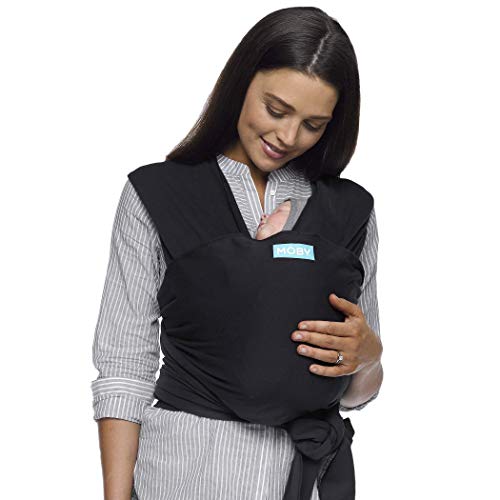
| Moby Baby Wrap Carrier Classic | $33.74, typically about $30-$40 | Lower price and a soft, close fit for 8-33 pounds, but it involves more fabric and a longer learning curve than a meh dai. |
| Momcozy PureHug Baby Carrier | $53.99, typically about $50-$60 | More structured and faster to put on, with a listed 7-45-pound range; it may feel warmer or less customizable than tied straps. |
| Basic buckle carrier | About $40-$80 | Usually simpler for occasional users, but inexpensive models may have less padding, fewer adjustment options, or a shorter usable lifespan. |
The Moby is the closest alternative if your main goal is softness and a low purchase price. Its 8-33-pound range covers many babies from early infancy through toddlerhood, but you need to become comfortable with wrapping and checking the fit. The Momcozy option costs more than the Moby but less than many premium meh dais and may appeal to caregivers who want a quicker, more structured setup.
FAQ
Is a meh dai good for newborns?
It can be, but only if that particular model is approved for newborn use and adjusts to the baby’s size. Check the minimum weight, panel width, and panel height. The baby should sit high enough to kiss, with the face visible, chin off the chest, and the back and neck supported. If you are uncertain, use a newborn-specific option or seek an in-person fit check.
How long can you use a meh dai carrier?
Use it until your child reaches the carrier’s stated maximum weight or no longer fits comfortably within the panel. Many models work from roughly 8 pounds to 30 or 35 pounds, while some toddler models go higher. A child’s comfort, your own back and shoulder comfort, and safe positioning matter as much as the number on the label.
Is a meh dai easier than a wrap?
For many beginners, yes. A meh dai has a defined panel, so you are not managing one long piece of fabric around the baby’s entire body. However, it still uses long straps and requires careful tightening. If you want the shortest setup time, a buckle carrier is usually easier than either a meh dai or a wrap.
Is a meh dai worth the money?
It is worth the money when you will use its adjustable fit regularly. Spending $50 to $180 on a carrier that suits several caregivers and lasts through multiple stages can be reasonable. It is not a good value if you want a grab-and-go design, dislike tying, or expect one carrier to fit every child from birth without checking the panel and weight limits.


Write Your Review
No reviews yet. Be the first to share your experience!