
Key takeaways
- Hands-free mobility: You can hold a child while carrying groceries, opening doors, using transit, or guiding another child.
- Useful in stroller-hostile places: Carriers are easier than strollers on stairs, narrow sidewalks, trails, museums, festivals, and crowded transportation.
- Less arm strain: A well-adjusted waistband and shoulder system can distribute weight more evenly than carrying a toddler on one hip.
- Compact for travel: Many soft carriers fold or pack down far smaller than a stroller. Even a 2-pound carrier is easier to store in a carry-on or day bag.
- Fast for short bursts: A carrier can be practical when a toddler needs a 10-minute lift but you do not want to bring a stroller.
- Comfort and reassurance: Some tired, overwhelmed, or recovering toddlers settle faster when held close to a parent.
- Longer useful life than an infant-only carrier: A model that fits from approximately 20 to 40 or 45 pounds may remain useful well after the first year.
The Short Answer
Yes, you may need a toddler carrier if your child still wants to be carried, weighs too much for comfortable arm-carrying, and you regularly navigate places where a stroller is inconvenient. The one condition is that your toddler must fit the carrier’s stated weight, height, and developmental requirements—and you must use it exactly as directed.
For many families, a toddler carrier is not an everyday necessity. It is a backup tool for airports, hikes, crowded events, long walks, travel, and those inevitable moments when a tired child refuses to keep moving. The right carrier can save your back and your patience, but it will not replace a stroller, wagon, or a willing toddler.
Our top picks

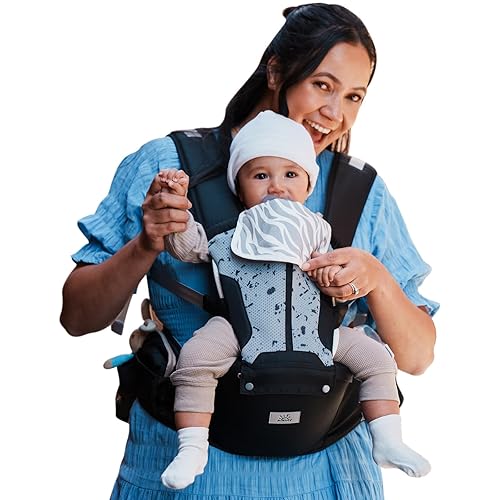 MOMTORY Safety-Certified 6-in-1 Baby Carrier Newborn to
As an Amazon Associate we earn from qualifying purchases at no extra cost to you. Ratings are shown as listed on Amazon.
What You Actually Get
A toddler carrier is a wearable support system that distributes some of your child’s weight across your shoulders, back, hips, or a combination of all three. Depending on the design, your child may sit in front, on your hip, or on your back. Most toddler-capable soft carriers use padded shoulder straps, a structured waistband, adjustable buckles, and a wider seat than an infant-only carrier.
“Toddler carrier” is not one standardized product category. A soft-structured carrier generally offers the most support for longer walks. A hip-seat carrier creates a shelf for your child to sit on and can be quicker for up-and-down use, although it may place more demand on one side of your body. A sling is lighter and often less expensive, but it requires careful positioning and may be less comfortable for extended carrying.
As a practical benchmark, many toddler carriers support children from roughly 20 to 45 pounds, though the exact limit varies. Some products begin at 8 pounds and are marketed for newborns through toddlers, while others are designed only for children with reliable head and torso control. A carrier itself commonly weighs about 1.5 to 3 pounds. That means carrying a 30-pound child can put more than 32 pounds on your body before adding a coat, shoes, or a diaper bag.
Features worth paying for include a supportive waistband, adjustable seat width, padded leg openings, breathable fabric, two-handed buckle operation, and clear fit instructions. A sun hood, storage pocket, or removable panel can be useful, but they matter less than a secure fit and comfortable weight distribution.
For a low-cost sling-style option, the Shiaon Baby Sling Carrier is listed at $23.98 and advertises an 8-to-40-pound range. It may suit short carries and quick errands, but shoppers should pay close attention to how the sling positions a larger child and whether the wearer can maintain a comfortable, secure fit. The MOMTORY Safety-Certified 6-in-1 carrier is listed at $41.95 and is marketed from newborn through toddler use. Its multi-position design may offer more flexibility, but more adjustment points also mean more time spent learning the fit.
Pros
- Hands-free mobility: You can hold a child while carrying groceries, opening doors, using transit, or guiding another child.
- Useful in stroller-hostile places: Carriers are easier than strollers on stairs, narrow sidewalks, trails, museums, festivals, and crowded transportation.
- Less arm strain: A well-adjusted waistband and shoulder system can distribute weight more evenly than carrying a toddler on one hip.
- Compact for travel: Many soft carriers fold or pack down far smaller than a stroller. Even a 2-pound carrier is easier to store in a carry-on or day bag.
- Fast for short bursts: A carrier can be practical when a toddler needs a 10-minute lift but you do not want to bring a stroller.
- Comfort and reassurance: Some tired, overwhelmed, or recovering toddlers settle faster when held close to a parent.
- Longer useful life than an infant-only carrier: A model that fits from approximately 20 to 40 or 45 pounds may remain useful well after the first year.
Cons
- The weight does not disappear: A carrier redistributes your child’s weight; it does not make a 35-pound toddler light. Your shoulders, hips, knees, and back still do the work.
- Fit can be complicated: An incorrectly tightened carrier can cause pressure, slumping, dangling legs, or an unstable child. Expect a learning period.
- Heat builds quickly: Two bodies, layered clothing, and a thick carrier can become uncomfortable in warm weather. Breathable fabric helps but does not eliminate this issue.
- Toddlers are unpredictable: A child may ask to be carried, then demand to walk five minutes later. This is especially frustrating with a structured carrier that takes time to put on.
- Limited storage: A carrier cannot hold much more than a small phone, keys, or a few diapers unless it includes a substantial pocket.
- Not ideal for every adult: People with back, hip, shoulder, pelvic-floor, or balance concerns may find toddler carrying painful or unsafe.
- Shorter comfort window: Even a good carrier may be comfortable for 20 to 60 minutes rather than an entire day, depending on the child and wearer.
Who Should Buy It
A toddler carrier is worth considering if your child weighs around 20 to 40 pounds, still asks to be picked up, and you frequently walk more than 15 or 20 minutes. It is particularly useful for parents who travel by plane or train, attend crowded outdoor events, hike on maintained trails, use stairs often, or care for more than one young child.
It can also make sense if your toddler is recovering from an illness, tires easily, or is prone to bolting in busy public places. In those situations, a carrier can provide a temporary carrying option while leaving both of your hands available.
Choose a soft-structured model for regular walks and longer carries. Choose a hip-seat style for frequent up-and-down use. Choose a sling only if you understand its positioning instructions and expect mostly brief carries. Before buying, check the child’s current weight, torso height, and leg position against the manufacturer’s instructions—not just the advertised age range.
Who Should Skip It
Skip a toddler carrier if your child rarely wants to be held, you already own a lightweight stroller that works for your routine, or you mainly need to transport a child for several hours. A stroller or wagon will usually be more comfortable for both of you on long outings and can carry snacks, water, clothing, and supplies.
You may also want to skip it if you have recurring back or shoulder pain, recent surgery, balance limitations, or a medical condition affected by load-bearing. Ask a clinician or physical therapist before adding a 30-pound child to your body. Do not use a toddler carrier for activities that involve running, cycling, climbing, cooking over heat, or other fall and burn hazards.
Cheaper Alternatives
| Option | Cost | Trade-off |
|---|---|---|
| Use an existing stroller | $0 if you own one; about $50–$250 new | More comfortable and useful for gear, but bulky on stairs, trails, and crowded spaces. |
| Borrow from a friend, library, or local parent group | $0–$20 | Lowest-cost way to test the idea, but the fit, cleanliness, and weight limit may not suit you. |
| Buy a used soft-structured carrier | About $15–$80 | Can be a bargain, but inspect every buckle, seam, strap, and adjustment point; avoid damaged or recalled gear. |
| Use a compact umbrella stroller | About $25–$100 | Light and affordable, but usually offers less storage, padding, suspension, and recline. |
| Shiaon sling carrier | $23.98 listed | Inexpensive and compact, but sling fit and one-sided weight distribution may be less comfortable for larger toddlers. |
FAQ
What age is a toddler carrier for?
There is no universal toddler age. Many children begin using a toddler-capable carrier after they have strong head and torso control, often around 12 months, while some models are approved from birth with an infant insert. Always follow the specific product’s minimum weight, maximum weight, height, and positioning requirements. A child’s age alone does not confirm a safe fit.
Is a toddler carrier better than a stroller?
Neither is universally better. A carrier wins for stairs, transit, short walks, crowded areas, and situations where you need both hands. A stroller wins for long outings, naps, hot weather, and carrying water, snacks, diapers, or coats. Many families use a carrier as a backup rather than choosing one instead of the other.
How long can a toddler stay in a carrier?
Start with short periods and monitor both of you. A comfortable, correctly positioned child may tolerate 20 to 60 minutes, but there is no single safe time limit for every child or adult. Take breaks, change positions when appropriate, and remove the child if there is numbness, pain, overheating, slumping, restricted breathing, or unusual fussiness.
What should I check before buying?
Confirm the maximum child weight, seat width, torso adjustment, hip-belt dimensions, buckle design, fabric breathability, and return policy. Look for a carrier that keeps the child upright with clear airways and supports the thighs without forcing the legs straight down. Practice at home over a soft surface, preferably with another adult nearby. In 2026, the best choice is still the carrier that fits your child and your body—not the one with the most carrying positions.


Write Your Review
No reviews yet. Be the first to share your experience!