
Key takeaways
- Carrier Longevity & Hygiene: Babies constantly chew on shoulder straps. Removable pads prevent abrasive saliva from degrading structural fabrics, sparing you frequent, heavy wash cycles that wear out buckles and seams.
- All-Weather Adaptability: Weather covers shield infants from wind, rain, snow, and UV radiation, eliminating the need to force infants into restrictive snowsuits that compromise harness safety.
- Ergonomic Pressure Relief: Aftermarket lumbar supports and chest strap extenders distribute infant weight evenly across your hips and shoulders, preventing acute strain on long walks.
- Hands-Free Convenience: Attachable pouches and gear loops hold pacifiers, keys, phones, and wipes directly on the waistband, keeping your hands unburdened.
What's inside
- Why You Need Babywearing Accessories: Core Benefits
- Essential Categories of Babywearing Accessories
- Top Babywearing Accessories for Everyday Comfort and Protection
- How to Choose the Best Babywearing Accessories: Buyer’s Guide
- Step-by-Step Guide: How to Safely Attach and Use Carrier Accessories
- Frequently Asked Questions About Babywearing Accessories
- Summary
Finding the best babywearing accessories is the key to turning a standard carrier into an adaptable, all-weather system that keeps both parent and baby comfortable on every outing. While a high-quality carrier provides essential spinal and hip alignment, smart add-ons solve real-world logistical challenges like sudden rain, teething drool, shoulder pressure, and absent pocket storage. Incorporating purpose-built covers, protective chew guards, and ergonomic lumbar supports preserves your gear’s lifespan while upgrading daily usability. This comprehensive guide walks you through essential accessory categories, proven market selections, and critical safety rules so you can build a personalized carrying setup tailored to your family’s routine.
- Why You Need Babywearing Accessories: Core Benefits
- Essential Categories of Babywearing Accessories
- Top Babywearing Accessories for Everyday Comfort and Protection
- How to Choose the Best Babywearing Accessories: Buyer’s Guide
- Step-by-Step Guide: How to Safely Attach and Use Carrier Accessories
- Frequently Asked Questions About Babywearing Accessories
- Summary
Why You Need Babywearing Accessories: Core Benefits
Adding specialized gear add-ons to your baby carrier quickly transforms daily errands into a seamless, ergonomic experience. Whether shielding delicate skin from harsh sunlight, easing sore teething gums, or organizing trail essentials, the right tools cut parental fatigue while keeping your growing infant secure, calm, and cozy.
- Carrier Longevity & Hygiene: Babies constantly chew on shoulder straps. Removable pads prevent abrasive saliva from degrading structural fabrics, sparing you frequent, heavy wash cycles that wear out buckles and seams.
- All-Weather Adaptability: Weather covers shield infants from wind, rain, snow, and UV radiation, eliminating the need to force infants into restrictive snowsuits that compromise harness safety.
- Ergonomic Pressure Relief: Aftermarket lumbar supports and chest strap extenders distribute infant weight evenly across your hips and shoulders, preventing acute strain on long walks.
- Hands-Free Convenience: Attachable pouches and gear loops hold pacifiers, keys, phones, and wipes directly on the waistband, keeping your hands unburdened.
Essential Categories of Babywearing Accessories
Navigating the vast ecosystem of baby gear requires identifying which attachments truly solve daily parenting struggles. From all-weather protective covers and organic teething pads to ergonomic lumbar extenders and clip-on storage bags, each category serves a distinct functional role across diverse carrying routines.
1. Teething and Drool Pads
Infants instinctively explore their surroundings oral-motor style, frequently gnawing on the upper rim and shoulder straps of structured carriers. Teething pads wrap around the straps with hook-and-loop or snap closures. Crafted from soft, organic cotton, they absorb excess saliva and can be removed and tossed in the laundry within seconds.
2. All-Weather and Rain Covers
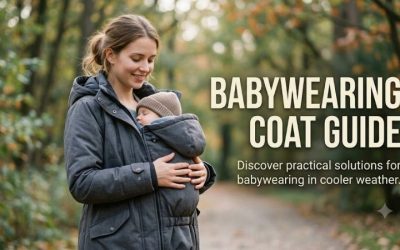
Dressings like winter snowsuits or bulky coats create dangerous slack in a carrier harness. A dedicated weather cover snaps over the carrier exterior, featuring a fleece lining for warmth, a water-resistant shell for wet weather, and an integrated hood to protect sensitive ears from wind.
3. Lumbar Supports and Fit Extenders
Many standard buckle carriers lack dense lumbar pads. Add-on lumbar pieces thread directly onto the waist belt, dispersing concentrated pelvic pull across a wider surface area to alleviate lower back fatigue during long babywearing sessions.
4. Clip-On Storage Pouches and Bags
Most ergonomic carriers feature minimal storage to keep weight centered. Add-on carrier pouches attach via webbing loops or belt clips to house small necessities like diapers, wipes, and identification without throwing off your center of gravity.
Top Babywearing Accessories for Everyday Comfort and Protection
Selecting verified attachments ensures seamless compatibility, infant safety, and durable performance through every season. We evaluated popular market solutions for strap protection, climate defense, and personal storage to highlight dependable items that deliver measurable convenience without interfering with carrier balance.
1. Baby Tula Drool & Teething Pads
- Best For: Strap protection and everyday teething relief.
- Key Features: 100% OEKO-TEX Standard 100 certified cotton, secure snap fasteners, multi-layer absorbent inner terrycloth, and reversible patterns.
- Pros:
- Universal wrap design fits virtually all standard soft structured carrier straps.
- Hypoallergenic organic cotton prevents facial friction rashes on sensitive infant cheeks.
- Durable metal snaps withstand aggressive chewing better than abrasive Velcro.
- Cons:
- Narrower profile may leave outer edges of extra-wide straps exposed.
- Requires frequent hang-drying to preserve snap integrity.
- Use Case: Daily neighborhood walks, grocery trips, and teething stages between 4 and 12 months.
- Who It’s For: Parents wanting an easy-to-wash barrier to keep expensive carriers clean and hygienic.
2. Ergobaby All Weather Carrier Cover
- Best For: Cold-weather defense and wet outdoor excursions.
- Key Features: Water-resistant ripstop polyester outer shell, plush fleece interior lining, elastic hood pouch, and snap attachment loops.
- Pros:
- Seamlessly connects to carrier shoulder straps without shifting or dragging.
- Deep elastic foot pouch keeps tiny feet and legs warm without restrictive boots.
- Machine washable and dries rapidly after rain or snow exposure.
- Cons:
- Specifically contoured for Ergobaby carriers; fits looser on certain non-Ergobaby models.
- Too warm for brisk spring rain showers.
- Use Case: Chilly autumn mornings, winter park strolls, and drizzly trail walks.
- Who It’s For: Active parents in rainy or cold climates who need cold protection without dressing their infant in dangerous, bulky snowsuits.
3. Bebamour Universal All-Season Baby Carrier Cover
- Best For: Versatile, budget-friendly climate protection across multiple carrier brands.
- Key Features: Removable fleece lining, breathable windproof exterior fabric, detachable zippered hood, and side hand-warmer pockets for the parent.
- Pros:
- Adaptable two-piece design transitions effortlessly from chilly winter to mild spring.
- Universal buckle and strap system fits structured carriers, wraps, and ring slings.
- Integrated front kangaroo pocket keeps the parent’s hands warm during walks.
- Cons:
- Bulkier to pack down into a compact diaper bag than dedicated single-layer shells.
- Snap buttons require two hands to adjust securely.
- Use Case: Variable-climate daily commuting, city strolling, and family trips across changing seasons.
- Who It’s For: Budget-conscious families who want one universal cover that functions across different carriers and weather types.
4. LÍLLÉbaby Lumbar Support Pad
- Best For: Relieving lower back pain and improving load distribution.
- Key Features: Contoured high-density foam insert, reinforced webbing tunnels, and moisture-wicking breathable lining.
- Pros:
- Stabilizes the carrier waistband, preventing painful digging into the abdomen or spine.
- Fits standard 1.5-inch to 2-inch carrier webbing straps across multiple brands.
- Maintains lower spinal curve, supporting upright posture during extended carrying.
- Cons:
- Adds slight bulk around the parent’s waistline.
- Not compatible with extra-wide padded wrap straps or ring slings.
- Use Case: Long hikes, extended toddler carrying, and postpartum back recovery.
- Who It’s For: Caregivers experiencing lumbar strain or pressure points from narrow carrier waist straps.
How to Choose the Best Babywearing Accessories: Buyer’s Guide
Investing in the right carrier accessories requires balancing developmental stages, seasonal demands, and personal physical comfort. By assessing material safety, fastening systems, and universal carrier compatibility, parents can easily select durable tools that solve practical hurdles rather than adding useless clutter.
1. Universal Fit vs. Brand-Specific Systems
- What: Brand-specific accessories are engineered for proprietary buckle systems, whereas universal accessories use adjustable snaps, ties, or elastic channels.
- Why: Brand-matched gear guarantees flush alignment and zero loose fabric, while universal options let you transfer accessories between different carriers as your child grows.
- Who: Choose brand-specific if you use one primary carrier daily; pick universal if you rotate between wraps, slings, and structured carriers.
- Trade-off: Universal accessories may feel slightly looser, while brand-specific models lock you into a single equipment manufacturer.
2. Fabric Safety & Direct Skin Contact
- What: Independent textile certifications such as OEKO-TEX Standard 100 or GOTS-certified organic cotton.
- Why: Babies spend prolonged periods chewing directly on carrier edges and breathing closely against fabric surfaces.
- Who: Essential for infants under 12 months who are actively teething and prone to contact dermatitis.
- Trade-off: Certified organic fabrics cost slightly more and require gentler laundering than synthetic polyester blends.
3. Thermal Regulation and Airflow
- What: Breathable shells, moisture-wicking panels, and modular layers over dense, non-breathable plastic shields.
- Why: Infants overheat rapidly in baby carriers due to shared body heat. The TICKS safety protocol demands unrestricted airflow around the child’s nose and mouth at all times.
- Who: Families living in high-humidity zones or undertaking vigorous outdoor walks.
- Trade-off: High-ventilation covers offer less extreme-cold insulation, necessitating careful layering underneath.
Step-by-Step Guide: How to Safely Attach and Use Carrier Accessories
Improperly attaching add-on gear can compromise child ergonomics or obscure vital airflow during family walks. Following structured installation steps guarantees that every weather cover, chew pad, and pouch remains anchored firmly while keeping infant airways visible and carrier weight distribution centered and stable.
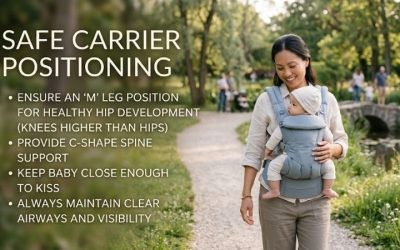
- Fasten the Primary Carrier First: Always place your child in the carrier, adjust all buckles, and confirm the ergonomic “M-position” (knees higher than bottom) and TICKS safety checks before adding any exterior accessories.
- Anchor Teething Pads to the High Wear Zones: Wrap drool pads tightly around the shoulder straps where your baby’s mouth naturally rests. Ensure snap closures face outward away from your infant’s cheeks to eliminate friction.
- Clip On the Weather Cover Without Covering the Face: Fasten cover shoulder snaps to the carrier harness straps. Check that the cover’s upper edge sits under the child’s chin, ensuring their face remains visible and unobstructed.
- Position Waist Pouches Along the Lateral Flank: Secure auxiliary storage pouches toward your hip bone rather than directly centered on your belly or child’s seat. This avoids displacing your baby’s pelvic support.
- Conduct a Final Visual Safety Check: Confirm the baby’s airway is open, the chin is clear of their chest, and no accessory cords, straps, or elastic bands dangle near their neck.
Frequently Asked Questions About Babywearing Accessories
Parents often have questions regarding universal fit, fabric care routines, and infant safety when attaching aftermarket gear. Reviewing answers to these frequent queries helps clarify proper setup practices, prevents common usage errors, and ensures a secure, enjoyable carrying experience across all four seasons.
Do I really need teething pads for my baby carrier?
Yes. Teething pads protect both your baby’s health and your carrier investment. Carrier shoulder straps are filled with dense foam that takes hours to dry; repeatedly washing the entire carrier breaks down buckle tension and fabric dyes. Removable pads are much easier to wash and sanitize frequently.
Can I use a regular winter coat over my baby carrier?
Using an oversized coat can press your baby’s face against your chest and block airway access. A specialized babywearing cover or babywearing coat expander maintains a clear breathing channel, provides dedicated ventilation, and avoids compromising the carrier’s structural fit.
Are universal carrier pouches safe to add to waistbands?
Yes, as long as the pouch sits flat along the side or rear hip and does not alter the tension of the safety buckle. Avoid packing heavy items like metal water bottles into waistband pouches, as excessive unilateral weight can cause muscular imbalance.
How do I clean weather covers without ruining water resistance?
Machine wash on a gentle cycle with cold water and a mild detergent free of fabric softeners. Tumble dry on low or line dry. Fabric softeners coat technical fibers, severely diminishing the cover’s water-repellent performance.
Summary
Investing in the best babywearing accessories elevates your everyday babywearing journey from a manageable routine into a comfortable, effortless lifestyle. By prioritizing breathable weather covers, protective organic teething pads, and ergonomic support add-ons, you protect your carrier investment while safeguarding your child’s posture and airway. Focus on verified compatibility, non-toxic materials, and quick-access designs that match your typical climate and outings. With the right gear tailored to your daily needs, every walk with your baby remains cozy, safe, and deeply rewarding.


Write Your Review
No reviews yet. Be the first to share your experience!