
Key takeaways
- Table of Contents 4 sections 8 min read 1 How to Choose the Best Toddler Carrier 1.1 Weight Capacity and Panel Dimensions 1.2 Ergonomic Hip Support and Seat Width 1.3 Lumbar Support and Padded Waistbelts 1.4 Fabric Breathability and Climate…
What's inside
Babywearing For Toddlers solves the daily exhaustion parents endure when carrying active, heavy children. Clunky strollers limit outdoor mobility while unsupportive slings strain tired shoulder muscles. Our detailed guide clarifies top-rated ergonomic carriers, ensuring joyful adventures and comfortable back support for both of you.
How to Choose the Best Toddler Carrier
Selecting the right gear requires balancing durable child support, parent comfort, and physical endurance. Learning proper babywearing for toddlers prevents chronic muscle fatigue while exploring outdoor parks or crowded stores. Focus on generous weight limits, ergonomic seat bases, and padded straps to secure your explorer.
Weight Capacity and Panel Dimensions
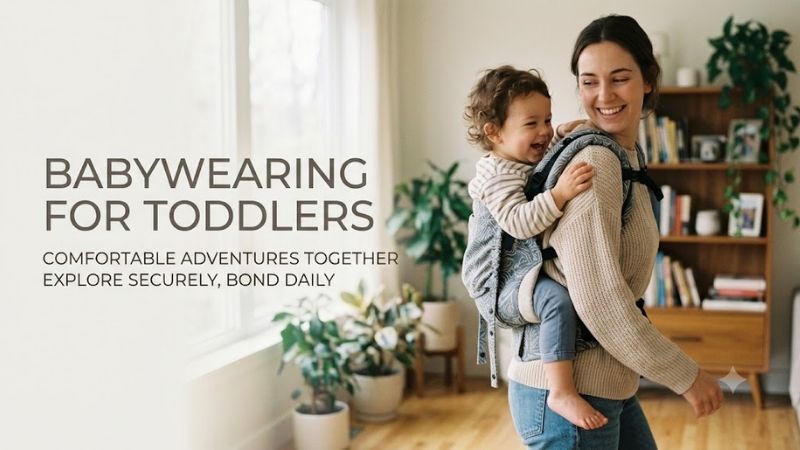
Growing toddlers possess longer torsos and heavier frames than infants, demanding reinforced architecture. Standard baby carriers cause severe shoulder fatigue because their shallow fabric backings fail to support active kids. Toddler-specific models feature taller back panels that keep restless adventurers secure during hikes.
Always evaluate upper load ratings before purchasing any structured pack for regular outdoor travel. Premium models typically accommodate children weighing between twenty-five and sixty pounds without fraying along critical seams. Heavy-duty buckles and reinforced bartack stitching deliver total peace of mind through every energetic trail outing.
Ergonomic Hip Support and Seat Width
Orthopedic positioning remains essential even when your child walks, runs, and climbs with steady confidence. Practicing ergonomic babywearing for toddlers requires a sufficiently broad base that spans completely from knee crease to knee crease. Proper seating prevents dangling legs, which pulls dangerously on developing spinal columns.
Medical specialists recommend seating larger youngsters in a supportive deep M-position throughout long walks. This healthy geometry elevates knees above hip joints, distributing child weight evenly across your torso. Ergonomically engineered seats protect tender joints, keeping growing youngsters cheerful and relaxed during travel.
Lumbar Support and Padded Waistbelts
Carrying a thirty-pound toddler places considerable mechanical strain on your lower back and delicate posture. High-quality carriers utilize wide, densely padded waistbands that transfer substantial downward pressure directly to your pelvis. Integrated lumbar pads stabilize your core, eliminating burning discomfort during long theme park trips.
Look for dual-adjusting waist buckles that let you cinch tension equally from both sides of your hips. Broad belts prevent painful digging into stomach muscles while distributing weight smoothly across wider surface areas. Breathable lumbar cushioning keeps parents refreshed and physically aligned through hours of active bonding.
Fabric Breathability and Climate Control
Older toddlers generate noticeable body heat, making breathable technical textiles an absolute necessity. Heavy canvas or dense synthetic blends trap rising moisture, turning a pleasant morning outing into a sweaty, fussy ordeal. Modern carriers utilize specialized three-dimensional air mesh that encourages continuous ventilation.
Natural cotton blends or linen weaves also provide exceptional airflow while feeling gentle against bare legs. Lightweight textiles dry rapidly after muddy trail walks and sustain repeated machine washings without shrinking. Breathable fabrics ensure both parent and child stay comfortably cool, even during hot afternoon excursions.
Top Picks for Safe Toddler Carriers
Navigating modern parenting gear becomes simple when you rely on thoroughly tested ergonomic designs. Exploring babywearing for toddlers helps you find a durable carrier suited to your family lifestyle and physical requirements. Review our carefully curated comparison table and in-depth product evaluations to pick the finest carrier.
| Product Model | Carrier Type | Maximum Weight | Primary Advantage |
|---|---|---|---|
| Tula Toddler Carrier | Soft Structured Pack | 60 Pounds | Extra Tall Back Panel |
| Ergobaby Omni Breeze | Multi-Position Carrier | 45 Pounds | Maximum Mesh Airflow |
| Beco Toddler Carrier | High-Back Carrier | 60 Pounds | Crossed Shoulder Straps |
| Lillebaby CarryOn Airflow | Ergonomic Toddler Pack | 60 Pounds | Dedicated Lumbar Support |
Tula Toddler Ergonomic Carrier
This dedicated carrier is tailored specifically for larger toddlers who have outgrown standard infant gear. The generous panel covers tall backs completely, preventing wiggly preschoolers from leaning backward precariously. Softly padded leg openings provide cozy knee cushioning, making it great for lengthy neighborhood strolls.
On the downside, this substantial carrier cannot convert for smaller infants, limiting early versatility for new parents. Some petite caregivers also find the wide waistband slightly bulky against narrower frames. Nevertheless, its sixty-pound capacity and premium pure cotton canvas create a dependable staple for growing kids.
Ergobaby Omni Breeze Carrier
Active families living in warmer southern regions will appreciate this ultra-breathable mesh carrier. Designed to support babywearing for toddlers up to forty-five pounds, it offers four versatile carrying positions, including forward-facing mode. Lightweight SoftFlex mesh fabric maximizes cooling airflow across long summer park visits.
However, the forty-five-pound threshold means very tall or heavy preschoolers will outgrow the seat dimensions early. Several owners also note that the dual safety buckles require two hands to unlatch smoothly. Even so, superior lumbar padding and integrated side pockets make it an outstanding choice for everyday family travel.
Beco Toddler Deep Seat Carrier
Caregivers seeking customizable strap configurations will admire this versatile high-capacity workhorse. It features adaptable shoulder straps that can be worn backpack-style or crossed in an X across your upper spine. Crossing straps dramatically relieves shoulder tension, making it ideal for carrying heavier preschool riders.
The substantial dimensions can feel cumbersome to fold and pack away into compact travel diaper bags. Additionally, the safety release buckles demand deliberate finger pressure that takes practice to unlock quickly. Yet its included snap-on hood and sixty-pound capability deliver fantastic long-term value for outdoor enthusiasts.
Lillebaby CarryOn Airflow Toddler Carrier
Parents who suffer from chronic back sensitivity will love the dedicated orthopedic features on this model. Tailored for babywearing for toddlers weighing up to sixty pounds, it includes an oversized lumbar support pad that braces your lower spine. Full three-dimensional mesh construction keeps active passengers perfectly ventilated.
The generous padding and structured back plate add noticeable physical bulk compared to minimalist textile slings. In addition, the firmer lumbar pad can feel stiff against your back until broken in through regular use. Still, exceptional weight distribution and rugged construction ensure pain-free transport on strenuous trails.
Frequently Asked Questions
Transitioning to larger carrying gear naturally brings practical questions about comfort, security, and usage limits. Embracing safe babywearing for toddlers empowers parents to explore busy public spaces while keeping their little one calm. Review our answers to common questions to maintain healthy posture and happy outings.
Until what age or weight can parents carry a toddler?
Most pediatric babywearing for toddlers guidelines permit carrying healthy children as long as both parties remain comfortable. Dedicated toddler carriers typically support up to sixty pounds, which covers most preschoolers until age four or five. As long as your carrier supports an ergonomic seat, age itself poses no strict boundary.
Pay close attention to your personal stamina and ensure your child does not experience pinched circulation. When children grow tall enough that their knees hang straight down without fabric support, they require a wider panel base. Listen to your body and take regular resting pauses during extended outdoor adventures together.
Is back carrying safer than front carrying for toddlers?
Back carrying represents the most ergonomic and secure carrying position once your toddler surpasses twenty pounds. Positioned on your back like a secure rucksack, your child rests closer to your natural center of gravity. This alignment significantly decreases strain on your lumbar spine while providing an unobstructed walking view.
Front carrying heavier toddlers pulls your shoulders forward, frequently triggering lower back aches and neck stiffness. Additionally, taller children can block your downward line of vision, increasing tripping hazards on uneven hiking trails. Switching to back carry mode ensures balanced stability, allowing confident strides everywhere.
How do you prevent back pain when wearing a toddler?
Preventing spinal fatigue begins with positioning the waistband snugly around your natural waist rather than resting on hips. Securing the belt tightly transfers child weight directly into your leg muscles, bypassing vulnerable lower back discs. Always tighten shoulder straps until your toddler rests securely against your shoulder blades.
Avoid letting your passenger slump or sag backward, as loose space magnifies the perceived weight of the child. Engage your abdominal muscles while walking and adjust the sternum chest clip across the middle of your breastbone. Distributing tension uniformly ensures pain-free carrying across busy airports and crowded theme parks.
Can babywearing help calm toddler temper tantrums?
Physical closeness provides immediate neurochemical comfort whenever toddlers become overwhelmed by noisy environments. Being held snugly against a caregiver releases calming oxytocin, slowing elevated heart rates and regulating big emotions. The rhythmic sensation of your footsteps recreates soothing security that defuses tantrums swiftly.
Carriers also offer overstimulated youngsters a safe visual sanctuary away from chaotic crowds or glaring lights. Resting high on your back allows them to observe surroundings safely without feeling vulnerable down at knee level. Carrying your child provides rapid emotional reassurance, restoring peace during hectic family excursions.
Final Thoughts
Selecting the right gear transforms everyday family travels into wonderful opportunities for joyful bonding. Practicing babywearing for toddlers allows you to bypass heavy strollers while keeping curious explorers secure and content. Choose carriers with wide ergonomic seats and robust lumbar support to enjoy effortless adventures today.


Write Your Review
No reviews yet. Be the first to share your experience!