
Key takeaways
- Table of Contents 4 sections 8 min read 1 How to Choose the Right Baby Wrap Carrier 1.1 Fabric Breathability and Comfort 1.2 Ease of Learning and Tying 1.3 Ergonomic Support and Hip Health 1.4 Maintenance and Washing Simplicity 2…
What's inside
Baby Wrap Checklist advice solves the daily struggle parents face when soothing fussy newborns while keeping hands free. Selecting the ideal carrier often feels overwhelming with countless wrap fabrics available. This essential guide simplifies your buying decision with trusted product reviews, smart comparisons, and practical safety tips.
How to Choose the Right Baby Wrap Carrier
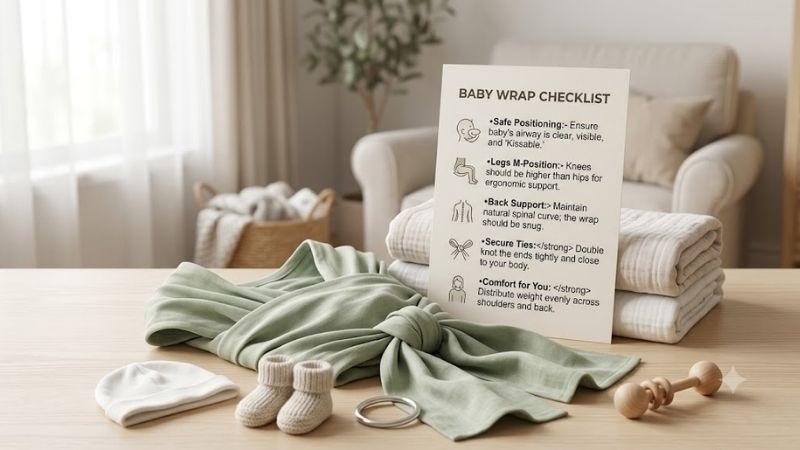
Navigating fabric types and wrapping styles requires clear criteria to ensure long term satisfaction. Consulting an organized baby wrap checklist helps parents evaluate vital ergonomics, breathability, and ease of use. Focusing on practical elements guarantees seamless daily bonding while preventing back fatigue on busy afternoons.
Fabric Breathability and Comfort
Material selection directly affects how peaceful your infant remains during extended morning walks. Pure cotton provides dependable strength and natural softness, whereas featherlight modal blends deliver superior airflow for hot summer outings. Assessing your local climate prevents overheating for both you and your resting baby.
Soft natural textiles reduce friction against delicate newborn skin, preventing redness or sweat rashes after prolonged contact. Breathable weaves also assist active caregivers by wicking moisture away during household chores. Choosing premium fabric construction creates a soothing nest where tired infants fall asleep faster.
Ease of Learning and Tying
Mastering tying techniques can seem intimidating to first time caregivers staring at lengthy fabric swatches. However, user friendly center markers and contrasting safety hems simplify positioning across your torso. With a little initial patience, wrapping quickly becomes second nature within just a few gentle practice attempts.
Practicing in front of a mirror helps build muscle memory while securing the fundamental inward facing hold. Keeping a reliable baby wrap checklist close by reminds parents of essential tucks during busy morning routines. Before long, you will wrap your calm baby in under a minute without feeling frustrated or needing any help.
Ergonomic Support and Hip Health
Proper anatomical positioning remains essential for healthy infant hip development and natural spine alignment. An ideal wrap fully supports the spread squat position, which pediatric specialists identify as the healthy M shape. Ensuring your infant sits upright with knees elevated higher than the hips prevents dangerous joint strain.
Distributing infant weight evenly across your shoulders and lower back protects adult posture from painful fatigue. High quality carriers eliminate awkward pressure points that cause chronic soreness after holding a baby for several hours. This balanced ergonomics allows parents to finish daily tasks without muscular exhaustion.
Maintenance and Washing Simplicity
Living with an infant involves unexpected spit up incidents, milk spills, and frequent diaper leaks. Adding easy maintenance to your baby wrap checklist guarantees you choose fabrics that handle routine laundry cycles without shrinking. Durable textiles maintain supportive elasticity even after dozens of thorough washings.
Fabric care instructions should stay simple amidst the demanding rhythm of caring for a growing baby. Look for pre shrunk fabric blends that dry efficiently on gentle low heat cycles without excessive wrinkling or distortion. Low maintenance upkeep ensures your favorite daily wrap remains fresh, sanitary, and ready for use.
Top Picks for Every Modern Parent
Exploring top market models requires matching functional designs with your family budget and lifestyle routines. Relying on an updated baby wrap checklist allows caregivers to compare fabric flexibility, weight capacity, and speed of tying. Review our curated selections below to discover the perfect carrier for your infant.
| Carrier Model | Best For | Fabric Type | Weight Limit |
|---|---|---|---|
| Moby Classic Carrier | Sturdy Snuggles | 100% Pure Cotton | 8 to 33 lbs |
| Boba Wrap Classic | Stretchy Comfort | French Terry Cotton | 7 to 35 lbs |
| Solly Baby Wrap | Warm Weather | Lenzing Modal | 8 to 25 lbs |
| KeaBabies All in One | Budget Families | Breathable Cotton Blend | 7 to 35 lbs |
Moby Classic Baby Wrap Carrier
This flagship model is ideal for traditional parents who desire sturdy cotton durability and dependable security. The dense natural weave offers exceptional stability that hugs newborns closely from day one. Its firm structure distributes heavy infant weight evenly across the torso, making it great for peaceful walks around town.
A major strength is the unyielding support that never sags even after carrying your growing infant for hours. However, the thick cotton material feels warm during humid summer afternoons, creating noticeable perspiration. Beginners will also need several practice runs to master the long fabric strip without feeling clumsy at home.
Boba Wrap Classic Cotton Carrier
The Boba Wrap is tailored for newborns needing gentle softness, earning a prime spot on any baby wrap checklist. Featuring an innovative French terry cotton blend with spandex, it stretches gently to mold around tiny limbs. It suits first time moms and dads who want an intimate, womb like hold that encourages deep, restful naps.
Parents appreciate how easily the stretchy material adjusts without pinching delicate baby skin or digging into shoulders. The notable trade off is that heavier babies near twenty pounds cause the elastic weave to sag over time. This looseness requires periodic retying during long outings to keep your child held high and snug.
Solly Baby Lightweight Modal Wrap
Crafted from sustainably sourced Lenzing modal, this luxury wrap is built specifically for warmer southern climates. The featherlight fabric breathes exceptionally well, preventing clammy heat buildup during active summer days. It appeals to stylish caregivers who value silky textures that feel practically weightless across the chest.
Caregivers love how compact this carrier folds, slipping neatly into small diaper bags without adding excessive bulk. On the downside, the silky modal fabric requires tighter initial knots to prevent slight slippage over time. The twenty five pound weight ceiling also limits long term toddler use compared to heavier cotton models.
KeaBabies All in One Breathable Carrier
Budget conscious caregivers who refuse to sacrifice everyday support will appreciate this versatile all in one design. It satisfies every practical baby wrap checklist requirement by combining an affordable price with durable cotton fabric. It works wonderfully for parents seeking a dependable carrier for quick grocery store errands.
The primary benefit is generous fabric length, accommodating petite and plus size adult frames with equal ease and comfort. Conversely, the cotton blend feels slightly stiffer out of the package, demanding a few initial wash cycles to soften fully. The fabric also requires mindful tucking to keep excess material off dusty floors.
Frequently Asked Questions About Baby Wraps
New parents frequently share practical concerns regarding infant airway safety, proper cleaning habits, and nursing mechanics. An effective baby wrap checklist addresses these common worries so caregivers can wear their infants with total peace of mind. Review the direct answers below to build your babywearing knowledge quickly.
Are Baby Wraps Safe for Fragile Newborns
Yes, wrap carriers provide a secure environment for newborns when caregivers follow recognized airway safety standards. Always position your infant upright with the chin tilted up and away from the chest to preserve clear breathing passages. Keeping your baby high on your torso ensures you can easily monitor their face at all times.
Ensure the fabric wraps tautly across your infant back to prevent dangerous slumping into loose material pockets. The natural womb like hug stabilizes heart rates, decreases crying, and promotes soothing sleep during the fourth trimester. Conducting a quick visual airway check before walking out the front door guarantees safe snuggling.
How Do You Clean and Wash a Newborn Wrap
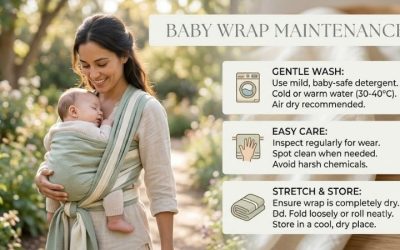
Laundering your fabric wrap is effortless using a standard home washing machine on a delicate cold water cycle. Placing the long fabric lengths inside a mesh laundry bag prevents troublesome tangling around machine agitators. Using mild baby safe liquid detergent protects delicate textile fibers from premature wear and fiber weakening.
Tumble dry the carrier on a low heat setting or hang it across a drying rack to prevent unwanted fabric shrinkage. Avoid harsh chemical bleaches or scented fabric softeners, as lingering residues irritate fragile newborn skin. Clean fabric maintains natural friction, ensuring your wrapped knots stay firm and dependable all day.
Can You Discreetly Nurse While Wearing a Wrap
Breastfeeding inside a wrap carrier is entirely achievable once you feel confident with basic fabric adjustments. Simply loosen the main waist knot slightly to lower your nursing baby directly toward chest level while supporting the head. Once feeding concludes, immediately readjust the baby back upright close to your collarbone.
Practicing nursing holds at home on a comfortable sofa helps you build coordination before attempting public feedings. Always maintain clear visual sight of your infant nose and mouth to ensure continuous ventilation during nursing sessions. This flexible mobility allows nursing mothers to multitask comfortably while out on errands.
What Is the Standard Weight Limit for Wraps
Most classic fabric carriers safely accommodate growing infants starting at seven pounds up to thirty five pounds total. However, the optimal comfort period for wraps typically peaks between eight and eighteen pounds during early infancy. As babies become heavier and more mobile, structured carriers offer firmer lumbar weight support.
Heavier infants may cause standard fabric wraps to sag gradually, necessitating tighter wrapping techniques or double crossing. Paying attention to shoulder tension and lower back fatigue helps you decide when to switch carrier designs. For newborn bonding and soothing gentle snuggles, fabric wraps remain the gold standard choice.
Final Thoughts on Choosing Your Carrier
Reviewing a comprehensive baby wrap checklist gives you the certainty needed to select an outstanding infant carrier. Whether you prefer the supportive firmness of classic cotton or the airy chill of modal, your newborn will rest contentedly. Invest in your favorite wrap today and embrace the joys of comfortable, hands free parenting.







Write Your Review
No reviews yet. Be the first to share your experience!