
Key takeaways
- Best Overall (Newborn Sleep): HALO SleepSack Swaddle, 1.5 TOG, newborn size
- Best Versatile Swaddles: Momcozy Muslin Swaddle Blankets, 4-pack
- Best Soft Sensory Toy: Mary Meyer Taggies Hedgehog, 8 inch
- Best Tummy-Time Toy: Melissa and Doug Flip Fish Soft Baby Book
- Best Cold Pack for Little Bumps: FOMI Kids Hot Cold Ice Packs, 3-pack
- Best Nail Care: Frida Baby NailFrida SnipperClipper
- Best Mealtime Helper: Munchkin Stay Put Suction Plates, 2-pack
- Best Toddler Bottle: THERMOS FUNTAINER 12 oz Insulated Bottle with Straw
The best baby and toddler essentials are small, repeat-use items that solve a daily problem: a swaddle that stays put, a toy that holds a curious baby’s attention, a plate that does not end up on the floor. Our top pick is the HALO SleepSack Swaddle, a zippered cotton swaddle with a three-way arm design that suits newborns, and the runner-up is the Momcozy 4-pack of muslin swaddle blankets, which does a dozen jobs beyond swaddling. Six more picks cover sensory play, nail care, mealtimes, a cold pack for bumps and a travel-ready water bottle, so you can build a practical starter kit without buying duplicates.
This guide is research-based. We did not personally use these products; we compared listing details, maker age and size guidance and independent parenting resources. Where a listing does not state something, we write “not listed.” Always follow each maker’s age, weight and safe-use instructions, and ask your pediatrician about any health or sleep question.
Top Picks at a Glance
- Best Overall (Newborn Sleep): HALO SleepSack Swaddle, 1.5 TOG, newborn size
- Best Versatile Swaddles: Momcozy Muslin Swaddle Blankets, 4-pack
- Best Soft Sensory Toy: Mary Meyer Taggies Hedgehog, 8 inch
- Best Tummy-Time Toy: Melissa and Doug Flip Fish Soft Baby Book
- Best Cold Pack for Little Bumps: FOMI Kids Hot Cold Ice Packs, 3-pack
- Best Nail Care: Frida Baby NailFrida SnipperClipper
- Best Mealtime Helper: Munchkin Stay Put Suction Plates, 2-pack
- Best Toddler Bottle: THERMOS FUNTAINER 12 oz Insulated Bottle with Straw
Comparison Table
| Product | Best for | Key specs | Watch for | Price tier |
|---|---|---|---|---|
| HALO SleepSack Swaddle | Newborn sleep routine | Cotton, 1.5 TOG, 68-75 F room range, 6-12 lb size, 3-way arms, double zipper | Outgrown once baby rolls | Mid-range |
| Momcozy Muslin Swaddles | Swaddle, burp cloth, stroller cover | 4-pack, 47 x 47 in, 2-layer gauze | Shrinkage after washing | Mid-range |
| Mary Meyer Taggies Hedgehog | Soft, tag-based sensory play | 8 in plush with satin tag loops | Check age label; supervise | Budget |
| Melissa and Doug Flip Fish | Tummy time and early exploring | Textures, squeak and crinkle, baby mirror, ages 0-9 months | Not a sleep item | Budget |
| FOMI Hot Cold Ice Packs | Bumps and bruises | 3 packs, gel beads, soft sleeves, animal designs | Always check temperature before use | Budget |
| Frida NailFrida SnipperClipper | Safe-feeling nail trims | Spyhole to see the nail, curved blade, newborn and up | Steady hand required | Budget |
| Munchkin Stay Put Plates | Toddler mealtimes | 2-pack with suction base | Suction works on smooth surfaces only | Budget |
| THERMOS FUNTAINER 12 oz | School, daycare and car rides | 12 oz, insulated stainless steel, straw lid, BPA-free | Straw parts need regular cleaning | Budget |
Best Baby Swaddles: Fabric, Fit and When to Stop
Swaddling is a skill, and the right product makes it easier. A zippered swaddle sack reduces the folding steps, while a muslin blanket is flexible but needs practice. Whichever you choose, follow current safe-sleep guidance from your pediatrician or a national pediatric organization: place babies on their backs on a firm, flat sleep surface, keep loose items out of the sleep space, and stop swaddling when your baby shows signs of trying to roll over. The two swaddle picks below are listed first because sleep is the first big routine of a new family.
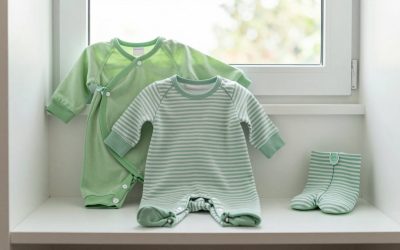
1. HALO SleepSack Swaddle: Best Overall
- Cotton, 1.5 TOG thermal rating
- Suggested room temperature range 68 to 75 degrees Fahrenheit
- Size for 6 to 12 lb, newborn 0 to 3 months
- 3-way swaddle: arms in, hands to face or arms out; double zipper; hip-healthy design
Best for: parents who want a repeatable swaddle without folding. Skip if: your baby is already rolling, or your newborn is outside the 6 to 12 lb range.
A TOG rating describes warmth; 1.5 TOG is a medium weight that the maker pairs with the 68 to 75 F room range. That pairing matters, because overheating is a risk factor parents are advised to avoid. Dress the baby in one light layer under the swaddle and check the back of the neck for warmth rather than relying on hands or feet.
The double zipper lets you open from the bottom for diaper changes without unwrapping the arms, which is a real benefit at 3 a.m. The three arm options let you adjust as your baby grows. A hip-healthy design means the legs have room to bend and move; this is a design claim from the maker, not a medical guarantee.
Check the size chart carefully. This listing is for newborn, 6 to 12 lb, so a larger baby needs the next size up. Buy two so you can rotate during washes.
Pros: easy to use; adjustable arms; zipper at both ends; clear room-temperature guidance. Cons: short usable window; size specific; cotton may wrinkle.
2. Momcozy Muslin Swaddle Blankets, 4-Pack: Best Versatile Swaddles
- 4 blankets in the pack
- 47 x 47 inches
- 2-layer gauze, breathable and soft, per the listing
- Fiber content: listing says breathable gauze; check the label for exact blend
Best for: parents who want flexible fabric that doubles as a burp cloth, nursing cover, stroller shade and play mat. Skip if: you want zip-and-go convenience.
Muslin gets softer with every wash, and the two-layer gauze weave adds a little loft without trapping heat. Large squares let you wrap tightly enough to stay put when folded correctly. Watch a video from a trusted source, practice on a doll or teddy, and make sure the wrap is snug on the arms but loose around the hips.
Wash before use. Many muslin blankets shrink slightly, so a 47 inch square may come out a little smaller. Buy at least two packs if you plan to use them for swaddling daily.
Pros: multi-use; breathable; large size; four in a pack. Cons: needs folding practice; shrinkage; do not use loose blankets in the crib sleep space after swaddling stops.
3. Mary Meyer Taggies Heather Hedgehog: Best Soft Sensory Toy
- 8 inch plush hedgehog
- Satin tag loops around the body for little fingers
- Single toy (pack of 1)
- Age grading and washing instructions: check the tag and maker page
Best for: babies who love tags and textures and need a small soft toy to hold. Skip if: your baby is still in a stage where nothing should go in the sleep space; keep plush toys out of the crib until your pediatrician says otherwise.
Babies are drawn to tags, ribbons and crinkly edges, and this toy turns that interest into a safe-looking object. The soft body is easy to grasp, and the ribbon loops give different textures. Because small children chew, check the toy regularly for loose threads and wash it as directed.
Pros: soft; easy to hold; encourages grasping; travel size. Cons: not for sleep areas; can lose shape after many washes; one toy only.
4. Melissa and Doug Flip Fish Soft Baby Book: Best Tummy-Time Toy
- Soft book shaped like a fish
- Multi-textured, squeaking and crinkling elements
- Includes a baby-safe mirror
- Marketed for ages 0 to 9 months
Best for: tummy time, where babies lift their heads and look at a mirror or textures. Skip if: your baby is older than the listed range and prefers cause-and-effect toys.
Tummy time builds neck and shoulder strength, and a bright, soft toy gives babies a reason to stay down a little longer. The mirror engages most babies for short stretches, and the squeak and crinkle give audio feedback. Short, supervised sessions are the norm; follow your pediatrician’s guidance on how long and how often.
Pros: multiple textures; mirror; lightweight; folds flat. Cons: short usable window; surface wash only (check label).
5. FOMI Kids Hot Cold Ice Packs, 3-Pack: Best for Bumps
- 3 reusable gel-bead packs
- Soft, colorful animal-themed sleeves
- Use warm or cold per the maker’s directions
- Temperature guidance for children: check the instructions
Best for: toddlers who bump knees and elbows and need a comforting cold pack with a soft cover. Skip if: you need medical-grade therapy; ask a doctor for injuries, fevers or persistent pain.
A fabric-covered gel pack is easier to hold than a bag of ice, and a toddler-friendly design makes it more likely your child will accept it. Always check the temperature on your own skin before using it on a child, never apply directly to bare skin for long, and never leave a child unattended with a heated or chilled pack. Follow the instructions for freezing or warming.
Pros: reusable; soft sleeves; three in a pack; fun designs. Cons: gel beads can leak if punctured; needs freezer space; not a substitute for medical care.
6. Frida Baby NailFrida SnipperClipper: Best Nail Care
- Curved clipper with a safety spyhole to see the nail edge
- Designed for newborns and up
- Stainless blades; size and material details: check the maker page
- Best used when the baby is calm or asleep
Best for: parents who are nervous about trimming a newborn’s tiny nails. Skip if: you already use a file or clippers confidently.
The spyhole lets you see exactly what you are cutting, which is the main reason this design is popular. Use good light, hold the finger steadily, and trim only the white tip. File edges if they feel sharp. If you nick the skin, press gently and clean it; ask a pediatric nurse for a quick demonstration if you are unsure.
Pros: visibility; curved blade; compact; widely recommended in parent communities. Cons: still needs practice; blade can dull; small parts to clean.
7. Munchkin Stay Put Toddler Plates, 2-Pack: Best Mealtime Helper
- 2 plates with suction bases
- Blue and green color set
- Suction works best on smooth, flat tabletops or highchair trays
- Dishwasher and microwave suitability: check the label
Best for: toddlers who push plates off trays. Skip if: your high chair tray is textured; suction will not grip.
Suction plates solve one problem well: throwing. A firmly attached plate teaches toddlers to feed themselves without a floor-bound dinner. Press the plate down on a damp, clean surface and lift a corner to release it. Some determined toddlers will still pull one up, so look for models with a locking tab if that happens.
Pros: reduces mess; easy to clean; two in a pack. Cons: surface limited; suction can wear over time.
8. THERMOS FUNTAINER 12 oz Insulated Water Bottle with Straw: Best Toddler Bottle
- 12 oz capacity
- Insulated stainless steel
- Straw lid; BPA-free components
- Keeps drinks cold longer, per the listing
Best for: older toddlers and preschoolers who carry a bottle to daycare or school. Skip if: your child has not yet learned to use a straw.
The insulated design keeps water cold in a bag or car seat holder, and the stainless steel body is dent-resistant. The straw is where leaks and mold hide, so take it apart each day and wash with a small brush. Replace the straw if it discolors or becomes brittle.
Pros: durable; insulated; fun designs; easy to carry. Cons: straw cleaning; stainless steel can dent; lid parts can be lost.
Also Consider
mushie Silicone Baby Bib
An adjustable waterproof silicone bib with a catch pocket. Rinse after meals; check the neck snap fit.
Yoofoss Long Sleeve Sleep Sack, 1.0 TOG, 6-12 Months
A wearable blanket for babies who no longer need a swaddle. Choose by weight and age on the maker page.
Infinno Wrist Rattles and Foot Finder Socks
Soft crinkle wrist and foot toys that encourage reaching and kicking. Remove them if they become loose.
How We Chose
We began with the featured swaddle, plush toy and ice-pack products, then added items that cover the other everyday needs of a baby and toddler: play, nail care, mealtimes and drinks. We checked each against the manufacturer’s listing and independent parenting resources. We did not personally use these products, and this guide is research-based.
We prioritized items with clear age or size information, parent-friendly care instructions and a simple design. We limited each brand to one product, and we avoided claims such as safety guarantees. Where a listing did not give a detail, such as a toy’s age range or a plate’s dishwasher rating, we said “not listed.”
Buying Guide
Sleep items: follow current safe-sleep guidance
Choose swaddles and sleep sacks by weight and age, not by design. Confirm the TOG rating matches your room temperature; for example, 1.5 TOG pairs with 68 to 75 F in the HALO listing. Stop swaddling when your baby begins to roll. Keep loose blankets and plush toys out of the sleep space unless your pediatrician advises otherwise.
Play items: match the toy to the stage
Newborns prefer high-contrast shapes and short sessions. By three to four months, babies reach and grasp, so tags and textures help. By six to nine months, they bang, shake and mouth everything, so choose washable toys without small removable parts. Always check the age grading and inspect toys for wear.
Feeding items: mess control and cleaning
Suction plates and silicone bibs reduce cleanup, but they only work if you clean them well. Choose items with simple shapes you can scrub, and look for dishwasher-safe labels on the maker page. For bottles, take straws apart daily.
Care items: keep it simple
Nail clippers, cold packs and similar tools should be easy to hold and clean. Store them out of reach, and use them only as the maker directs. If you have any concern about a baby’s skin or health, call your pediatrician.
Budget by frequency of use
Spend more on items used every day, such as swaddles and mealtime gear. Spend less on short-lived toys. Buy multiples of items that need frequent washing, like swaddles and bibs.
Worked example: a first-month kit and what it replaces
Imagine a family expecting a newborn and trying to avoid a closet full of unused gear. In the first month, sleep and diapering dominate the day, so the shopping list is short: two HALO swaddles so one is always clean, four muslin blankets for burping, shade and spills, and one nail clipper. Toys can wait a few weeks, because newborns focus best at a short distance and mostly want to be held. Around week six to eight, add the Flip Fish for tummy time, since babies begin to lift their heads and look around.
By month four, the kit shifts. The swaddle may be retired as the baby starts to roll, so a sleep sack like the Yoofoss in the Also Consider list takes over. The Taggies hedgehog becomes a favorite as grasping improves. At six months, solids arrive and the Munchkin plates and a silicone bib enter the routine. The THERMOS bottle is a toddler-stage purchase that can wait until a child is ready for a straw. The lesson is to buy for the next four to six weeks, not the next two years.
Cost per use in plain terms
A good way to compare is to count how many days an item will be in daily use. A swaddle used every night for about three months is used roughly 90 times, so even a mid-range swaddle works out to a small amount per night. Muslin blankets last for years in other roles, which makes them one of the best value items on this list. A single-use novelty toy that holds attention for two weeks is a poor value even if it is cheap. Use the same logic for mealtime gear: a plate that your child uses at every meal for a year beats a fancy set that sits in the cupboard.
Cleaning and care checklist
- Swaddles and sleep sacks: wash before first use and follow the care label; dry on low to limit shrinkage.
- Muslin blankets: wash in warm water with a fragrance-free detergent and fold fresh for each use.
- Plush toys: spot clean or machine wash in a mesh bag if the tag allows; check seams afterward.
- Suction plates and bibs: rinse right after meals so food does not dry on; check the suction rim for food debris.
- Insulated bottles: disassemble straw and lid daily; air dry fully before reassembling.
- Cold packs: wipe the sleeve clean, check the seams and discard a pack that leaks.
Safety checks every parent can make
Before every use, give a toy a quick tug test for loose parts and a look for frayed threads. Make sure no item has small pieces that could detach, and keep anything with cords or ribbons out of cribs and away from unsupervised play. Read the age label on every toy, and treat it as a minimum, not a suggestion. If a product is recalled, you can look up the model on a government consumer safety website and stop using it right away. When in doubt about a sleep product, ask your pediatrician before buying instead of after.
Common Mistakes to Avoid
- Continuing to swaddle after a baby starts rolling.
- Overdressing a baby under a swaddle or sleep sack.
- Leaving plush toys in the crib.
- Skipping the daily cleaning of straws and bottle lids.
- Using a warmed or chilled pack without checking the temperature.
Quick decision matrix
| Your situation | Start with |
|---|---|
| Expecting a newborn | HALO swaddle plus muslin blankets |
| Baby 3 to 6 months | Taggies hedgehog, Flip Fish |
| Toddler starting solids | Munchkin plates, silicone bibs |
| Daycare or preschool | THERMOS FUNTAINER |
| Active toddler | FOMI cold packs |
Frequently Asked Questions
What are the best baby and toddler essentials to buy first?
A swaddle or sleep sack, a few muslin blankets, simple toys and mealtime gear cover most early needs. Add care items such as nail clippers as the baby grows.
What are the best baby swaddles for newborns?
Zippered swaddles like the HALO are easiest for beginners, while muslin blankets are more flexible. Choose by weight range and stop swaddling when your baby rolls.
Which sensory baby toys are best for tummy time?
Soft toys with a mirror, crinkle and textures are popular because they hold attention. Supervise play and follow your pediatrician’s guidance.
Are kids’ ice packs safe for toddlers?
Fabric-covered packs are designed for comfort, but you must follow the temperature directions and supervise use. Ask a doctor for injuries or fevers.
How do I trim a newborn’s nails?
Use a baby clipper with a clear view of the nail, trim in good light when the baby is calm, and cut only the tip. A pediatric nurse can show you the technique.
Do suction plates really stay put?
They grip smooth, flat surfaces well and do not stick to textured trays. Determined toddlers can still pull them up.
When should toddlers start using a straw bottle?
Many toddlers learn between about 9 and 12 months, but follow your pediatrician’s feeding guidance and the maker’s age notes.
Which One Should You Buy?
Start with the HALO swaddle and Momcozy muslin blankets for sleep and everyday use, then add the Taggies hedgehog and Flip Fish for play. For older babies and toddlers, the Munchkin plates and THERMOS bottle make daily routines easier, and the FOMI packs and Frida clipper cover small care moments. Together they form a practical set of the best baby and toddler essentials without clutter.
Sources
- Manufacturer product pages: HALO, Momcozy, Mary Meyer, Melissa and Doug, FOMI, Frida Baby, Munchkin, THERMOS
- Pediatric organization safe-sleep and swaddling guidance
- Parenting publications covering sensory play and mealtimes
- Consumer safety resources on toys and age grading
Last updated: October 2026



Write Your Review
No reviews yet. Be the first to share your experience!