
Key takeaways
- When can a baby face outward in a carrier? Readiness signs, typical age and weight limits, a 5-point checklist and safer alternatives to facing out.
A baby can usually face outward once they have strong, steady head and neck control, can sit with support, and meet the minimum weight and age that the carrier’s manual lists for forward facing. For most carriers that is somewhere after the early months, commonly around five to six months, but the number printed in your manual beats any general rule. Many families find it is also worth waiting longer than the minimum.
The reasons are practical. A baby facing out cannot rest their head against your chest, cannot hide from busy surroundings, and is held in a different shape. This guide walks through what readiness looks like, how carrier types differ, a short checklist, a cautious first-trial routine and the options that give the same view with more support. It draws on published specifications and general guidance, not on a personal trial of any product.
What “ready” means beyond a birthday
Age is a convenient shortcut, but manufacturers who allow forward facing generally tie it to development as well. The skills that matter are head and neck control, a steady trunk when seated and a baby who can tolerate being upright for a while. Babies reach these at different times, and a baby born early may need more time than the calendar suggests.
Head control means the head stays upright and does not drop forward or flop sideways when the baby is lifted, tilted or carried over a few steps. In a forward-facing position, there is no chest to lean against, so the carrier fabric and your torso provide most of the support. If a baby still needs a hand cupped behind the head at times, they are probably not ready.
A second sign is seated stability. Hold your baby upright on your lap with light support at the hips and watch for a straight back and a head that stays steady. Many carriers expect the child to sit in a wide, froglike posture, so the legs should rest comfortably apart and not be forced.
Typical limits listed by carriers
Different carrier designs publish different thresholds, so treat the table as a general picture and check current specifications for your model.
| Carrier type | Forward facing offered? | Commonly stated requirement |
|---|---|---|
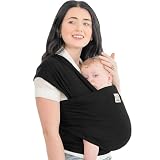
| Stretchy wrap | Rarely | Usually not designed for it |
| Ring sling | Rarely | Usually not designed for it |
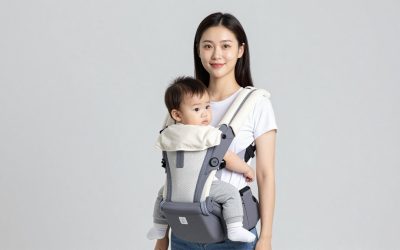
| Structured soft carrier | Sometimes | Minimum weight and age, plus head control |
| Convertible carrier with seat adjustment | Often | Narrow seat setting, specified weight band |
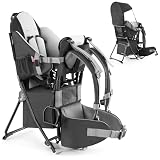
| Framed hiking pack | No, typically faces parent | Sitting unaided, often around six months |
Some designers have also dropped the outward-facing option from newer models, reflecting a wider shift toward keeping babies facing in during the early months. If your manual does not mention it, treat that as a no.
Why many caregivers wait longer
There are several reasons that come up repeatedly in carrier guidance and parenting resources. None are medical claims, but they explain why a minimum is not an instruction.
- Sensory load. Facing out exposes a baby to every sound, movement and face, with no way to turn away from it. Overstimulated babies tend to fuss and then fall asleep abruptly.
- Posture. Without the chest to lean on, an upright baby may arch or slump, which can change how the weight sits on the carrier.
- Visibility. You cannot easily see your baby’s face, so checking that the chin is clear of the chest and the airway is open is harder.
- Weight shift. The child’s weight sits further from your body, which feels heavier on the shoulders and lower back.
Because these trade-offs add up, many caregivers treat outward facing as an occasional bonus and not a default.
A five-point readiness checklist
Before trying forward facing, run through this list in order. If any answer is no, wait a few weeks and try again.
- The baby meets the minimum weight and age in your carrier’s manual for the forward-facing position.
- Their head stays steady and upright when they are lifted, tilted and bounced gently.
- They can sit with light support and hold a straight back.
- They are awake, fed, rested and calm, because a tired or hungry baby will protest.
- Your carrier is adjusted for this position, with the seat narrowed if the manual calls for it and straps snug.
Treat the checklist as a gate. Passing four of five is not a pass.
How to try the position for the first time
Do the first attempt at home, not in a crowd, and keep it short. Read the manual again, then follow these steps.
- Choose a quiet room and a moment when the baby is alert and content.
- Adjust the carrier’s seat or panel to the forward-facing setting described in the manual.
- Place your baby with their back against your chest, thighs supported all the way to the knees, and legs relaxed in a seated posture.
- Tighten the straps so there is no sag and your baby sits close to your body. Check that the head is upright and not squeezed.
- Walk around for five minutes, watching their face and body language in a mirror if one is nearby.
- End the session at the first sign of fussing, arching or glassy-eyed drowsiness.
If a first trial goes poorly, nothing is wrong. Many babies simply prefer facing in until they are bigger.
Safer ways to give a baby a view
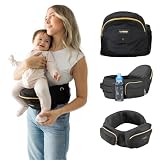
Babies who seem restless facing in often just want a wider view. A hip carry offers that as soon as the baby sits well, with the child on your side and looking over the world while staying supported. A back carry works for older babies and toddlers who sit steadily and need less supervision of the airway. Both keep the baby closer to your center of gravity than facing out does.
If your outings are on trails, a framed pack that keeps the child facing you but higher up is another route. Our overview of infant hiking backpack options by age compares framed and soft designs by the stage at which each makes sense.
When to stop and ask a professional
Stop forward facing and move the baby to a facing-in or supported position if they slump, cry persistently, show a pained posture or look unsettled. Stop also if the carrier digs into the legs or leaves them dangling. If you have been told about a hip, spine or development concern, or your baby was born early, check with a pediatrician before using any outward-facing mode. Nothing here replaces that advice.
Myths worth dropping
“A baby facing in must be bored, so facing out is kinder” is a common assumption, but facing in is also a way for the baby to rest and regulate. Another myth is that bigger always means ready; a large baby may still lack the posture control the position needs. Finally, a carrier being sold with a forward-facing option does not mean it suits every child at the minimum. Always check current specifications.
Related guides
- How To Put On A Baby Wrap Carrier Step By Step
- Baby Carrier For Toddlers Over 30 Lbs
- Ergobaby Embrace Vs Babybjorn Mini
Frequently asked questions
Is 4 months too early to face a baby outward?
Most carrier manufacturers set their forward-facing minimum above four months, and many stress that age alone is not the test. A baby needs steady head and neck control and the ability to hold a stable posture. Many babies at four months are still developing those skills, so the usual advice is to keep them facing you and read the manual for your specific carrier.
Can any baby carrier be used in the outward-facing position?
No. Wraps, ring slings and many soft-structured carriers are designed only for facing-in or back carries, and some deliberately leave out a forward-facing mode. Carriers that do allow it usually need a specific seat width, a set weight range and a particular way of positioning the legs. If the manual does not describe the position, the carrier is not designed for it.
How long can a baby stay facing outward?
Keep sessions short, since a baby facing the world takes in far more sights and sounds than one facing a parent. Many caregivers use ten to twenty minutes at a time, then switch to a hip or back carry or take a break. Watch for turning away, fussing, arching or sudden sleepiness, and move the baby to a facing-in position when any of these appear.
Does facing outward cause hip problems?
Positioning matters more than direction alone. Hip health groups generally favor a seated, wide-based posture with the thighs supported and knees roughly level with or above the bottom. A narrow seat that leaves legs dangling can work against that. Because every child is different and this touches on health, ask a pediatrician or physical therapist if you have any concern, especially after a diagnosis.
What is a good alternative if a baby wants to see more?
A hip carry is the most common upgrade once a baby can sit steadily, because the child sees the world while staying close and supported. Back carries suit older babies and toddlers who can sit well. Some carriers also offer a facing-in position with the head turned slightly to one side. Always follow the manufacturer’s age, weight and positioning instructions.





Write Your Review
No reviews yet. Be the first to share your experience!