
Key takeaways
- Using fragrance as a substitute for cleaning: Perfume may hide odor briefly while residue remains underneath.
- Soaking soft-sided carriers: Thick padding can stay wet internally for days and develop a new musty smell.
- Using bleach or ammonia on urine: Strong chemicals can damage materials, irritate pets, and create hazardous fumes when mixed.
- Scrubbing before blotting: Aggressive rubbing spreads liquid and drives it into foam or mesh.
- Ignoring removable padding: The liner often holds more odor than the shell.
- Closing the carrier while damp: Trapped moisture makes odor return quickly.
- Applying a product without a patch test: Some cleaners can discolor mesh, leather, or printed fabric.
- Returning the pet too soon: A pet may lick wet cleaner or react to concentrated fumes. Follow the product label’s safety directions.
A pet carrier can hold onto odor long after the visible mess is gone. Urine, feces, vomit, wet fur, and even skunk spray can soak into fabric panels, door seams, padding, and plastic grooves. If you mask the smell with fragrance or clean only the inside, odor-producing residue may remain and return when the carrier gets warm or damp. Excess water can also leave the carrier difficult to dry, creating a musty smell or encouraging mildew.
The safest approach is to remove the pet, identify the carrier’s materials, clean from the outside in, and dry every layer completely. The steps below work for most hard plastic kennels, soft-sided carriers, and removable pads. Always check the manufacturer’s care label first, especially before applying a cleaner to mesh, leather, dyed fabric, or waterproof coatings.
As an Amazon Associate we earn from qualifying purchases at no extra cost to you. Product prices and availability are accurate as of the date shown and are subject to change.

What You Need
| Item | Why | Optional? |
|---|---|---|
| Disposable gloves | Protects your hands from waste, urine, and cleaning solutions. | No |
| Paper towels or old white towels | Blots liquid without transferring much dye or lint. | No |
| Warm water | Rinses away loosened residue. | No |
| Unscented dish soap | Removes surface grime and oily residue from hard plastic. | No |
| Soft brush and old toothbrush | Reaches ventilation holes, corners, zippers, and door latches. | No |
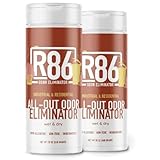
| Pet-safe odor eliminator | Helps neutralize odor left after physical cleaning. R86 Pet Odor Eliminator is listed at $29.95 and is designed for litter-box, carpet, and hard-surface odors. | Recommended |
| Heavy-duty odor eliminator | Useful for unusually strong urine, feces, dead-animal, or skunk odors. R86 Industrial All-Out Odor Eliminator is listed at $29.95. | Optional |
| Fan | Moves air across fabric and speeds drying without high heat. | Recommended |
| Large plastic bag or washable tarp | Protects the floor while you clean or treat the carrier. | Optional |
Do not combine odor eliminators with bleach, ammonia, hydrogen peroxide, vinegar, or other cleaners unless the product label specifically says it is safe. Mixing products can create irritating fumes or reduce their effectiveness. Test any cleaner on a hidden area first and follow the label’s dilution and contact-time directions.
Step-by-Step
1. Remove the pet and empty the carrier (5 minutes)
Move your pet to a safe, ventilated room before cleaning. Remove blankets, toys, harnesses, liners, and any detachable padding. Shake loose debris into a trash bag outdoors or over a washable surface. If the carrier contains feces or vomit, use paper towels to lift solid material instead of rubbing it deeper into the fabric.
Keep soiled towels and disposable items in a sealed bag. Wash your hands after handling waste, even if you wore gloves.
2. Separate washable parts (5 to 10 minutes)
Unzip or unfasten every removable component. Check underneath pads, around the door, and along the bottom edge; these areas commonly trap moisture. Take photos before removing complicated straps or panels so you can reassemble the carrier correctly.
Machine-washable fabric should be washed according to its care label. A cold or warm cycle with unscented detergent is usually gentler than hot water. Do not put foam, coated fabric, or plastic parts in a dryer unless the manufacturer permits it.
3. Blot fresh moisture (5 to 15 minutes)
Press a dry towel onto wet fabric or padding. Replace the towel as it becomes saturated, and continue until you cannot lift much more liquid. Avoid scrubbing at this stage. Scrubbing spreads urine and vomit through the weave and can force it into foam.
For a hard carrier, wipe up liquid first, then rinse the affected area with a small amount of warm water. Tip the carrier so fluid does not collect in seams or ventilation holes.
4. Wash hard surfaces and hardware (10 to 20 minutes)
Mix a small amount of unscented dish soap with warm water. Clean the plastic shell, door, latches, handle, and floor with a soft brush or cloth. Use an old toothbrush around screw heads, hinges, grooves, and the door gasket. Pay special attention to the bottom corners, where odor residue often dries unseen.
Rinse with a clean damp cloth several times. Do not flood soft-sided carriers or soak metal hardware unless the care instructions allow it. Standing water can rust zippers, weaken adhesives, and remain inside padded walls.
5. Treat lingering odor (10 minutes plus contact time)
Once visible residue is removed, apply a pet-safe odor eliminator to the affected surface. The R86 Pet Odor Eliminator is one reference option for litter-box, carpet, and hard-surface odors and is listed at $29.95. For exceptionally strong odors, the R86 Industrial All-Out Odor Eliminator is another reference option, also listed at $29.95.
Use the product exactly as directed. Some odor eliminators can be used wet or dry, but that does not mean every carrier material should be saturated. Lightly treat fabric, seams, and the plastic floor as appropriate, keeping liquid away from electrical components and unsealed foam. Allow the stated contact time to pass before blotting or rinsing. If the label requires a rinse, do not skip it.
6. Rinse and inspect hidden areas (5 to 10 minutes)
Wipe treated hard surfaces with clean water if the product instructions call for rinsing. Inspect the underside of the carrier, the pad’s seams, the zipper track, and the area beneath the door. Use a flashlight to look for yellow staining, greasy residue, or damp spots.
If odor remains in one specific area, repeat treatment there rather than applying large amounts of cleaner to the entire carrier. Persistent odor usually indicates residue in padding or a material that has absorbed the spill.
7. Dry completely before reassembly (12 to 24 hours)
Place the carrier in a dry, shaded area with the doors and windows open. Position a fan 2 to 4 feet away so air crosses the surfaces. Turn soft parts over every few hours. Do not use a high-heat hair dryer, radiator, or direct hot sunlight; heat can warp plastic, shrink fabric, or set some stains.
A carrier should feel dry at the seams, not merely dry on top. Wait at least overnight for lightly damp hard carriers and up to 24 hours for padded or soft-sided models. Reassemble only when there is no cool, damp feeling and no musty odor.
8. Test before your next trip (5 minutes)
Close the empty carrier and leave it in a ventilated room for 30 to 60 minutes. Open it and check for returning odor. If the smell is strong enough that you would not want to sit beside it in a car, treat it again or replace the affected liner. Put a clean, washable blanket inside for the first trip and check the carrier afterward.
Mistakes to Avoid
- Using fragrance as a substitute for cleaning: Perfume may hide odor briefly while residue remains underneath.
- Soaking soft-sided carriers: Thick padding can stay wet internally for days and develop a new musty smell.
- Using bleach or ammonia on urine: Strong chemicals can damage materials, irritate pets, and create hazardous fumes when mixed.
- Scrubbing before blotting: Aggressive rubbing spreads liquid and drives it into foam or mesh.
- Ignoring removable padding: The liner often holds more odor than the shell.
- Closing the carrier while damp: Trapped moisture makes odor return quickly.
- Applying a product without a patch test: Some cleaners can discolor mesh, leather, or printed fabric.
- Returning the pet too soon: A pet may lick wet cleaner or react to concentrated fumes. Follow the product label’s safety directions.
How Often
Wipe the carrier’s hard floor and door after every trip, even when it appears clean. Wash a removable blanket or pad after each accident and after especially long or stressful journeys. For routine use, give the entire carrier a deeper cleaning every one to three months. Clean immediately after urine, feces, vomit, spilled food, or skunk exposure.
If your pet is prone to accidents, use a washable, correctly sized liner. A liner should lie flat without blocking ventilation or allowing liquid to pool underneath.
When to Call a Pro or Replace
Consider professional cleaning when odor remains after two thorough cleaning cycles, when a large quantity of urine has soaked into fixed padding, or when skunk spray has affected multiple layers. A cleaner experienced with pet textiles can identify whether the odor is in the shell, foam, or waterproof backing.
Replace the carrier if the plastic is cracked, the door no longer latches securely, the mesh is torn, the zipper separates, or the base flexes under your pet’s weight. Replacement is also sensible when fixed foam smells strongly after complete drying and repeated treatment. Odor is unpleasant, but structural failure is a safety problem.
FAQ
Can I use baking soda to remove odor from a carrier?
For a dry, hard surface, a small amount can absorb some surface odor, but it does not remove urine or fecal residue. Avoid loose powders in carriers with mesh, fans, or pets that may inhale or lick them. Vacuum or wipe away all residue before use.
Can I put a pet carrier in the washing machine?
Only if the care label specifically permits it. Removable fabric covers may be machine-washable, but structured soft carriers, foam panels, metal frames, and plastic shells usually are not. Washing the wrong component can distort its shape or damage its support.
How do I remove skunk smell from a carrier?
Blot or wipe away residue, wash the carrier according to its material, and use an odor eliminator labeled for strong animal odors. Ventilate it outdoors or in a well-ventilated room, keep the pet away while it is wet, and repeat treatment if odor remains. Do not mix household chemicals.
Why does the smell come back after cleaning?
Odor often returns because liquid reached foam, seams, the underside of a pad, or an enclosed frame. Humidity can also reactivate residue. Inspect hidden layers, treat the specific source, and allow the carrier to dry for a full 12 to 24 hours before deciding whether cleaning worked.




Write Your Review
No reviews yet. Be the first to share your experience!