
Key takeaways
- Hands-free movement: You can use trekking poles, hold a child’s hand, carry groceries, or manage a leash while the passenger remains secure.
- Useful on uneven ground: A back carrier can be easier than a stroller on gravel, stairs, trails, sand, and narrow sidewalks.
- Better visibility than a front carrier: You can see where you are stepping without a passenger blocking your view.
- More even weight distribution: A padded hip belt and supportive frame can transfer some of the load from your shoulders to your hips.
- Compact for travel: Many soft carriers take up less space than a stroller and can be useful in airports, museums, festivals, and busy city streets.
- Comfort for tired passengers: A child or small dog can rest when walking becomes too tiring, hot, crowded, or unsafe.
- Storage built in: Child hiking packs commonly include room for water, snacks, diapers, and a light jacket. Pet packs may include leash clips and compartments for treats or waste bags.
The Short Answer
Do you need a back carry carrier? It depends—but buy one only if you regularly need to carry a child or small pet for at least 15 to 20 minutes while keeping both hands free. For occasional, short trips, a standard stroller, soft front carrier, leash, or ordinary backpack is usually more practical and less expensive.
A back carry carrier makes the most sense when walking on uneven paths, traveling through crowded places, hiking, or transporting a passenger who cannot comfortably walk the entire route. It is not an automatic upgrade over every other carrier. Fit, weight, ventilation, and the passenger’s size matter more than the promise of “hands-free” convenience.
Our top picks

As an Amazon Associate we earn from qualifying purchases at no extra cost to you. Ratings are shown as listed on Amazon.
What You Actually Get
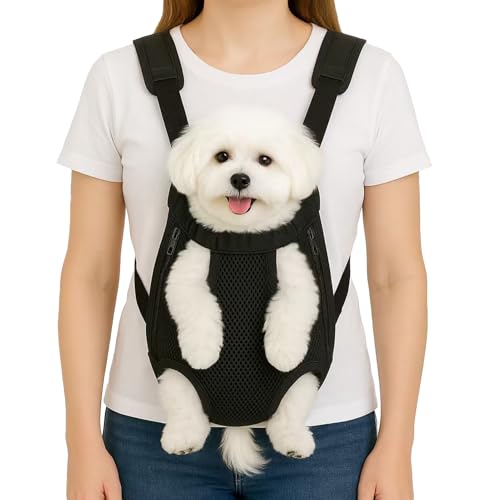
A back carry carrier is a structured pack designed to hold a small child or pet behind your shoulders. Unlike a normal backpack, it generally has a reinforced compartment, padded shoulder straps, a waist or hip belt, chest support, and openings that help the passenger see out and breathe comfortably.
There are two very different categories. A toddler hiking backpack carrier is built for a child who can sit independently and needs a supported seat, leg openings, and often a sunshade or storage compartment. A dog backpack carrier is smaller and usually includes a mesh window, a safety tether, and a padded interior. These products are not interchangeable: a dog carrier may not provide the seating support or weight distribution required for a child, while a child carrier may be unnecessarily large for a small dog.
Expect to spend roughly $30 to $100 for a basic pet backpack, $80 to $250 for a more supportive pet or convertible carrier, and $120 to $350 for a framed toddler hiking carrier. The price reflects structure, padding, suspension, materials, and included features—not necessarily comfort for every wearer.
Before buying, check four measurements: the passenger’s height or length, seated height, weight, and the carrier’s interior dimensions. Also check your own torso length. A pack that fits one adult may sit too low or too high on another, creating shoulder and lower-back strain. For longer walks, a hip belt is usually more important than an extra accessory pocket.
Pros
- Hands-free movement: You can use trekking poles, hold a child’s hand, carry groceries, or manage a leash while the passenger remains secure.
- Useful on uneven ground: A back carrier can be easier than a stroller on gravel, stairs, trails, sand, and narrow sidewalks.
- Better visibility than a front carrier: You can see where you are stepping without a passenger blocking your view.
- More even weight distribution: A padded hip belt and supportive frame can transfer some of the load from your shoulders to your hips.
- Compact for travel: Many soft carriers take up less space than a stroller and can be useful in airports, museums, festivals, and busy city streets.
- Comfort for tired passengers: A child or small dog can rest when walking becomes too tiring, hot, crowded, or unsafe.
- Storage built in: Child hiking packs commonly include room for water, snacks, diapers, and a light jacket. Pet packs may include leash clips and compartments for treats or waste bags.
Cons
- The load still feels heavy: A 25-pound child plus clothing, water, and the carrier can quickly become a 30-pound load. That is demanding even with a good hip belt.
- Heat builds up: Your back and the passenger’s body may be separated by only a padded panel. Look for mesh ventilation and avoid prolonged use in hot weather.
- Loading takes practice: Getting a wiggly toddler or nervous dog into a high back compartment can be awkward, especially without a second adult.
- Balance changes: The passenger sits behind your center of gravity. Turning, bending, and stepping over obstacles require more caution.
- Limited use as the passenger grows: A carrier can become uncomfortable or unsafe once the child or pet approaches its stated weight or interior-size limit.
- Not ideal for every passenger: A child who cannot sit independently, a dog that panics when enclosed, or anyone with a medical or balance concern may need another solution.
- Cleaning can be inconvenient: Pet hair, muddy paws, drool, and food crumbs collect in seams and padding. Removable, washable liners are valuable.
- Price rises quickly: A simple front pet carrier such as the $15.89 Mosago Dog Backpack Carrier, Front Chest Carrier for Small Dogs may meet a short-trip need, while a more structured option such as the $159.99 besrey Toddler Hiking Backpack Carrier is a much larger investment.
Who Should Buy It
Buy a back carry carrier if you take regular walks, hikes, or trips where a stroller cannot go and your passenger cannot reliably walk the full distance. It is especially useful for parents who want to cover approximately 1 to 5 miles with a toddler, provided the child can sit securely and the carrier fits both of you.
It can also suit owners of small dogs that tire easily, have short legs, or need transportation through crowded areas. Measure your dog from the base of the neck to the base of the tail and from the floor to the top of the head while seated. The interior should allow a comfortable seated position without forcing the dog’s neck against the top.
Choose a carrier with a sternum strap, padded shoulder straps, a wide hip belt, secure buckles, ventilation panels, and a passenger restraint. For child carriers, look for a stable seat, adjustable footrests, a five-point harness, and a weight rating that leaves some margin below the maximum. For pets, look for a short internal tether that attaches to a harness—not a collar.
Who Should Skip It
Skip a back carry carrier if you need to carry a large child or pet, expect mostly indoor use, or only need transportation for five minutes at a time. A stroller, wagon, or ordinary walking arrangement will often be easier.
You should also skip it if you have recurring back, shoulder, hip, or balance problems unless a qualified health professional has approved the activity. Do not use a carrier as a substitute for a properly fitted car seat. Never leave a child or pet unattended in one, and stop immediately if the passenger is slumped, overheated, distressed, or unable to move comfortably.
Cheaper Alternatives
| Option | Cost | Trade-off |
|---|---|---|
| Basic front pet carrier | $15–$40 | Less weight on your back, but limited capacity and less comfortable for long walks. |
| Soft front child carrier | $35–$150 | Usually lighter and easier to load, but can feel hot and may not suit older or heavier toddlers. |
| Umbrella stroller | $40–$150 | More comfortable for many children, but difficult on stairs, trails, sand, and crowded narrow paths. |
| Compact pet stroller | $50–$180 | Good for longer outings and larger small pets, but bulky to store and push over rough ground. |
| Wagon stroller | $120–$350 | Provides more room and storage, but is heavier and rarely practical for public transportation. |
| Regular backpack plus walking breaks | $0–$80 if already owned | Cheapest option, but does not safely carry a child or pet and offers no passenger support. |
FAQ
How much weight can a back carry carrier hold?
Capacity varies widely. Small pet carriers commonly support roughly 10 to 20 pounds, while toddler hiking carriers often support approximately 35 to 50 pounds, including the passenger and sometimes gear. Always follow the manufacturer’s stated limit, and account for clothing, shoes, water, snacks, and the carrier itself. Staying several pounds below the maximum usually provides a more comfortable margin.
Is a back carrier safer than a front carrier?
Not automatically. A back carrier can improve your forward visibility and keep your arms clear, but you cannot see the passenger as easily. A front carrier allows closer monitoring but may obstruct your view of the ground. The safest choice is the one that fits correctly, has secure restraints, suits the passenger’s developmental or physical needs, and matches the terrain.
Can I use a toddler carrier for a dog?
Sometimes, but it is rarely the most efficient choice. A toddler carrier may be too deep, heavy, or loosely ventilated for a small dog. A dog-specific pack should have a washable base, adequate ventilation, a secure tether, and enough room to sit without being crushed. Never attach the tether to a collar, and never force a dog that shows signs of fear or overheating.
What should I test before buying?
Load the carrier with an equivalent weight, adjust the shoulder straps and hip belt, and walk for 10 to 15 minutes before committing to a longer trip. Check whether the pack shifts, digs into your neck, pulls your shoulders backward, or causes pressure at your hips. For a child or pet, test entry and exit, restraint adjustment, ventilation, and whether the passenger can sit upright without slumping.


Write Your Review
No reviews yet. Be the first to share your experience!