
Key takeaways
- Table of Contents 4 sections 8 min read 1 How to Choose the Best Baby Carrier Wrap 1.1 Fabric Elasticity and Structural Recovery 1.2 Ergonomic Hip and Spine Alignment 1.3 Ease of Tying and Pre-Tying Convenience 1.4 Long-Term Weight Support…
What's inside
Stretchy vs woven wrap decisions frequently confuse exhausted new parents who endure aching shoulders and complicated fabric ties during early babywearing. This thorough comparative review resolves your daily dilemmas by detailing essential safety factors, fabric differences, and vetted options for total family peace.
How to Choose the Best Baby Carrier Wrap
Selecting the right baby carrier requires evaluating your infant developmental phase and personal wearing preferences before purchasing. Analyzing the stretchy vs woven wrap balance empowers caregivers to invest in carriers that provide dependable orthopedic security alongside serene daily comfort during long bonding walks.
Fabric Elasticity and Structural Recovery
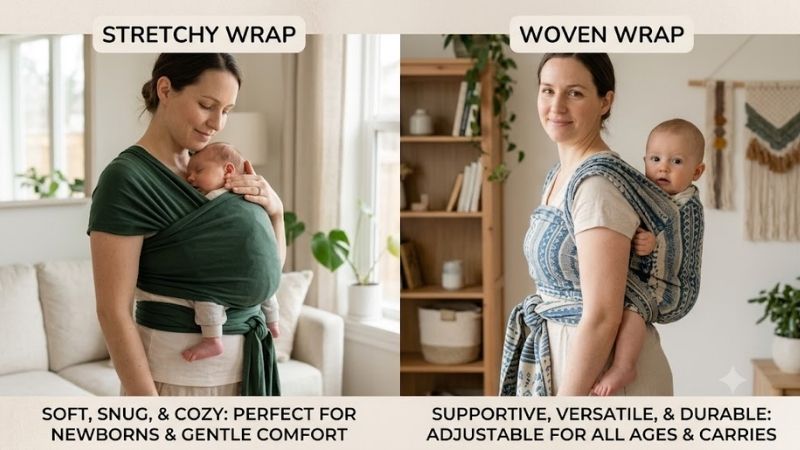
Fabric composition determines how well a carrier retains tension throughout busy afternoons of active infant wearing. Knit jersey fabrics containing customized spandex deliver soft multidirectional stretching that cradles small newborns snugly while resisting premature textile sagging across several consecutive laundry cycles.
Woven textiles utilize non-elastic crossed yarns that provide rigid structural integrity without stretching under load. This non-stretch architecture demands precise diagonal tying yet prevents heavy toddlers from slumping downward during extended hikes, ensuring continuous spine alignment across varied child growth phases.
Ergonomic Hip and Spine Alignment
Pediatric orthopedists stress that infant carriers must support proper pelvic development from the very first outing. Healthy ergonomic alignment demands an exaggerated spread-squat orientation where infant knees sit noticeably higher than hips, establishing the supportive M-position that guards developing hip joints.
Proper carrier tension gently rounds the infant back into a natural C-curve shape that minimizes spinal compression. Rigid or poorly adjusted wraps force premature back straightening, which causes excessive physical strain, whereas flexible woven and knit fabrics distribute body mass harmoniously across the wearer.
Ease of Tying and Pre-Tying Convenience
First-time parents often prioritize pre-tying ease when learning complicated wrap maneuvers amidst daily nursery duties. Elastic wraps allow caregivers to tie the carrier completely around their torso before placing the infant inside, simplifying spontaneous vehicle transfers and outdoor errands without dirtying tails.
Non-elastic woven materials require wrapping around the baby in real time to guarantee snug friction and safe positioning. While this dynamic process demands deliberate coordination and patience, it offers customized multi-layer support tailored specifically to the unique anatomy of both caregiver and growing toddler.
Long-Term Weight Support and Versatility
Understanding carrying longevity helps young families budget wisely between temporary solutions and permanent baby gear investments. A careful stretchy vs woven wrap comparison shows that soft elastic models excel during early infancy but lose comfort as babies approach twenty pounds, requiring frequent readjustments.
Woven fabrics easily accommodate heavier weights from newborn infancy through active toddlerhood without slipping or straining. Their durable cross-twill weaves support sophisticated back carries and structured hip positions, giving experienced babywearing enthusiasts unmatched versatility across several toddler years.
Breathability and Climate Temperature Regulation
Body heat naturally builds up when carrying an infant close against your chest during warm outdoor excursions or indoor chores. Selecting lightweight cotton blends or specialized woven linen textiles prevents heat entrapment, allowing continuous fresh air circulation that keeps both caregiver and newborn tranquil and dry.
Dense multi-layered fabric arrangements can cause infant fussiness and sudden overheating during humid summer weather conditions. Parents should inspect the overall textile weight and open-weave design to ensure optimal cooling performance, making daily infant wearing a refreshing and pleasant bonding ritual every season.
Top Picks for Everyday Hands-Free Comfort
Examining authentic market contenders makes choosing a comfortable carrier straightforward for modern parents seeking dependable gear. In our comprehensive stretchy vs woven wrap assessment, we test top models across diverse lifestyles, highlighting practical strengths and limitations to streamline your babywearing journey.
| Carrier Model | Wrap Category | Ideal Wearer | Key Material | Weight Limit |
|---|---|---|---|---|
| KeaBabies Carrier Wrap | Elastic Knit Wrap | Beginner Caregivers | Cotton Spandex | Up to 35 lbs |
| Moby Classic Baby Wrap | Traditional Elastic | First-Time Parents | 100% Pure Cotton | Up to 33 lbs |
| Didymos Woven Baby Wrap | Jacquard Woven Wrap | Experienced Wearers | Organic Cotton | Up to 45 lbs |
KeaBabies Baby Wrap Carrier
This popular model is best suited for first-time parents seeking an affordable, cozy wrap for soothing fussy infants. The soft cotton blend creates a comforting womb-like hold that calms infants quickly while offering generous textile length that comfortably accommodates diverse caregiver body sizes without pinching.
A practical limitation is that the dense jersey knit traps ambient heat during humid summer afternoon walks. Furthermore, the material exhibits slight downward stretch once an infant surpasses fifteen pounds, demanding tighter retying during prolonged sessions despite its wonderful softness and economical pricing.
Moby Classic Elastic Baby Wrap
Caregivers desiring dependable front-facing inward bonding will appreciate the classic, unyielding knit feel of this model. Crafted from one hundred percent natural cotton, it supplies steady structural friction that holds knot adjustments firmly in place without unwanted textile slippage during indoor household tasks.
The lack of spandex means the fabric offers zero dynamic give, requiring meticulous tensioning during initial wrapping attempts. It also feels quite thick in warm climates, yet its durable construction survives countless machine laundry cycles while providing gentle ergonomic support for peaceful newborn naps.
Didymos Woven Organic Baby Wrap
Dedicated babywearing enthusiasts and parents planning to carry growing toddlers will find this jacquard woven wrap unmatched. Woven from premium organic yarns, it delivers incredible diagonal flexibility without stretching lengthwise, empowering wearers to execute secure hip, front, and supportive tandem back carries.
However, this artisan wrap carries a higher price tag and demands a steeper learning curve before wrapping becomes effortless. Evaluating this stretchy vs woven wrap alternative proves that its remarkable structural endurance and organic purity justify the initial investment for families seeking long-term value.
Frequently Asked Questions About Baby Wraps
Navigating carrier nuances frequently raises common practical questions regarding safety guidelines, maintenance methods, and infant comfort. Resolving the stretchy vs woven wrap inquiry gives parents clear knowledge, ensuring every family carries their baby safely while avoiding common beginner babywearing mistakes.
How Long Can You Safely Carry an Infant?
Newborns can comfortably rest inside an ergonomic carrier for several hours provided their airway remains completely open. Caregivers should ensure the infant chin rests comfortably off their chest and that their face remains fully visible and easily kissable throughout the entire babywearing journey without obstruction.
Taking brief breaks every two hours allows parents to check infant diapers, inspect skin temperature, and encourage gentle limb movement. This attentive approach maximizes physiological comfort, prevents localized pressure points, and fosters an affectionate bonding experience that keeps baby calm during restless days.
Which Wrap Option Is Better for Warm Climates?
Hot and humid weather presents unique temperature challenges that require careful textile selection for infant safety. Lightweight woven carriers crafted from linen or thin organic cotton allow superior air permeability, wicking moisture rapidly to prevent both caregiver and child from overheating during sunny outings.
Standard knit wraps feature multi-layer fabric passes that trap body heat, which can cause excessive sweating on warm afternoons. When comparing stretchy vs woven wrap breathability, airy single-layer woven textiles provide far cooler ventilation, making them the superior choice for active families in tropical areas.
Can You Breastfeed While Wearing a Baby Carrier?
Nursing directly inside a fabric wrap is entirely possible and offers wonderful discreet convenience during travel or daily errands. Caregivers simply loosen the binding knot slightly, lower the baby to breast level, and maintain continuous head support while ensuring the infant nose remains completely unobstructed.
Once nursing is finished, parents must immediately reposition the infant higher on the chest in a snug upright alignment. Tightening the fabric securely guarantees that airways stay clear and hips remain safely supported in the recommended M-position, preventing dangerous slumping while infant digestion proceeds.
How Do You Clean and Maintain Carrier Fabric?
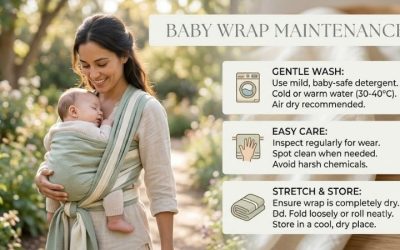
Maintaining baby carrier cleanliness requires regular gentle laundering to eliminate spit-up stains, sweat marks, and milk residue. Most cloth wraps wash smoothly inside a standard washing machine on a cold, delicate cycle when placed inside a mesh garment bag to prevent long fabric tails from tangling with garments.
Understanding your stretchy vs woven wrap fabric maintenance ensures the textile fibers retain tension and pure hygiene. Using mild laundry detergent preserves organic fibers, while avoiding chemical softeners protects the vital friction grip needed to keep support knots locked firmly during lively outdoor walks.
Final Thoughts on Baby Carrier Selection
Choosing between a stretchy vs woven wrap ultimately depends on your child age, your budget, and how long you intend to carry. Elastic wraps offer wonderful simplicity for soothing delicate newborns, while woven carriers deliver unmatched toddler longevity, helping parents achieve comfortable hands-free bonding daily.






Write Your Review
No reviews yet. Be the first to share your experience!