
Key takeaways
Baby Carrier Fabrics Guide details how to resolve frustrating overheating, chafing, and poor ergonomic support during daily babywearing adventures. Choosing the right material feels overwhelming when facing endless synthetic and natural choices. This comprehensive manual simplifies every textile feature so you can buy with total confidence.
How to Choose the Best Baby Carrier Materials
Selecting the right textile requires balancing climate, infant skin sensitivity, ease of maintenance, and ergonomic weight support. Parents often struggle with carriers that trap excessive moisture or rub delicately against tender infant cheeks. Learning key material metrics ensures soothing comfort across all seasons.
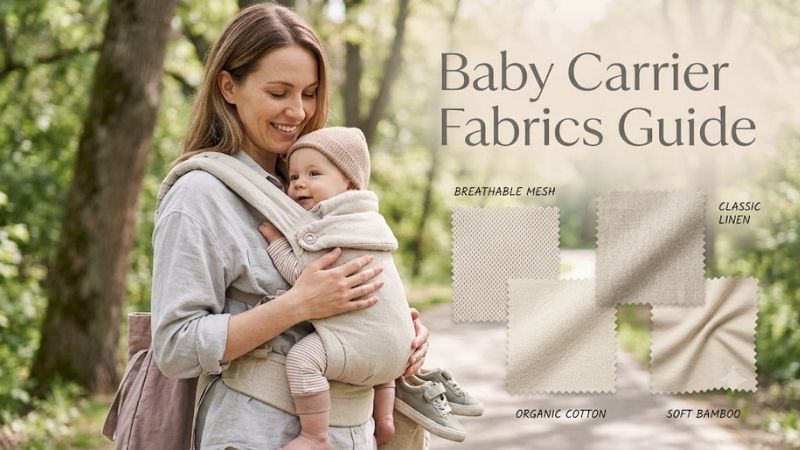
Breathability and Temperature Regulation
Airflow remains the most vital factor when evaluating wearable wraps or buckle carriers. Lightweight open weaves allow body heat to dissipate naturally, preventing painful heat rashes and sweaty discomfort for both caregiver and child during warm outings. Proper ventilation ensures enjoyable afternoon strolls.
Dense synthetic weaves without ventilation hold moisture close to the skin, causing rapid overheating and restlessness. Parents living in humid regions should consistently prioritize natural open weaves or engineered aerated textiles. Following our baby carrier fabrics guide recommendations guarantees pleasant airflow.
Fabric Softness and Gentle Skin Contact
Infant skin is exceptionally sensitive and prone to friction marks during extended carrying periods. Choosing brushed cotton, organic bamboo, or plant-derived modal ensures that every contact point remains smooth and soothing. Hypoallergenic fibers minimize friction against delicate legs and cheeks.
Untreated rough canvas or rigid twill weaves can create friction burns during prolonged daily use. Pre-washed or combed natural blends offer immediate flexibility without requiring months of fabric break-in effort. Investing in gentle textiles safeguards your infant from unnecessary skin discomfort.
Durability and Structural Support Strength
A premium carrier material must hold significant tension without sagging or losing its supportive shape. Strong double-woven textiles distribute your growing baby weight evenly across your shoulders and lower back. Superior tensile strength ensures lasting ergonomic safety through toddlerhood.
Flimsy single-knit fabrics may stretch out prematurely, leading to poor spinal positioning and intense back strain. Look for reinforced weave densities that deliver robust structural longevity across multiple years. These trusty baby carrier fabrics guide considerations keep your back healthy and pain-free.
Ease of Cleaning and Machine Washing Care
Everyday baby gear inevitably encounters milk spit-up, drool, diaper leaks, and outdoor ground dirt. Choosing machine-washable textiles that dry swiftly reduces laundry headaches and keeps your carrier fresh. Low-maintenance fabrics ensure continuous daily utility without complicated routines.
Delicate fibers requiring complex hand-wash rituals often end up sitting unused in nursery closets. Durable blends withstand frequent hot washing cycles without fading, shrinking, or losing vital elasticity. Choosing simple laundry profiles lets busy parents spend more time bonding with their infants.
Top Picks for Every Babywearing Lifestyle
Finding an outstanding carrier requires matching specific textile properties to your routine family activities. Whether you need an ultra-breathable mesh harness for warm hikes or an organic cotton wrap for cozy indoor nursing, specific materials excel in distinct situations. Explore our tested selections below.
Ergobaby Omni Breeze Breathable Mesh Carrier
This engineered carrier suits active outdoor parents who demand maximum airflow during humid summer walks. The integrated SoftFlex diamond mesh maximizes cooling ventilation across the entire torso while padded lumbar straps distribute heavier weights effortlessly. It delivers outstanding athletic versatility.
While the synthetic mesh dries instantly and breathes exceptionally well, the textured fabric feels slightly less cuddly than brushed organic knitwear against bare newborn skin. It excels as an ergonomic, heavy-duty solution for growing toddlers and energetic outdoor excursions without trapping excess body heat.
Baby K’tan Original Organic Cotton Wrap
This slip-on wrap caters to new parents seeking the soothing softness of a traditional woven wrap without complicated tying steps. Crafted from pure natural cotton jersey, it stretches gently around newborns to mimic comforting womb-like closeness during indoor contact naps and calm evening routines.
The natural cotton knit feels exceptionally soft against delicate skin, though the lack of synthetic mesh means it can become warm during strenuous midday hikes. Applying these helpful baby carrier fabrics guide benchmarks reveals why this cozy model remains a beloved favorite for early newborn nesting.
Solly Baby Lightweight Modal Newborn Wrap
This buttery soft wrap is custom crafted for delicate newborns and parents who prioritize featherlight softness. Made from sustainably sourced Austrian modal jersey, the fabric drapes like silk while providing gentle, custom-fitted support across tiny shoulders and hips. It packs compactly into diaper bags.
The ultra-thin modal textile delivers wonderful breathability and unmatched tactile coziness, but it lacks the heavy tensile capacity required for carrying active toddlers over twenty pounds. It represents the quintessential indoor newborn soother for parents who treasure supreme lightweight comfort.
| Carrier Model | Primary Fabric Material | Best For | Breathability Level | Machine Washable |
|---|---|---|---|---|
| Ergobaby Omni Breeze | SoftFlex Diamond Mesh | Outdoor & Active Use | Maximum Airflow | Yes (Gentle Cycle) |
| Baby K’tan Original | 100% Organic Cotton | Newborns & Indoor Rest | Moderate Warmth | Yes (Tumble Dry) |
| Solly Baby Wrap | 100% Austrian Lenzing Modal | Early Infancy & Snuggling | High Breathability | Yes (Delicate Cycle) |
Frequently Asked Questions About Carrier Fabrics
Parents frequently ask how various textile blends perform over months of heavy wear, repeated washing, and varying weather patterns. Understanding maintenance demands and fiber characteristics removes guesswork before purchasing. Review our essential baby carrier fabrics guide insights to solve everyday babywearing questions.
What is the most breathable material for hot summer months?
Engineered athletic mesh and natural open-weave linen represent the gold standards for hot weather babywearing. Polyester mesh panels promote continuous air passage across contact zones, while pure flax linen wicks sweat away from the body rapidly. Both prevent excessive perspiration and uncomfortable heat rashes.
Synthetic solid fabrics trap body warmth quickly and create sticky environments during summer walks. Choosing aerated mesh harnesses or loose linen wraps allows natural breezes to cool both parent and child efficiently. Prioritizing open weaves ensures refreshing outings even during July heatwaves.
Can natural cotton fabrics irritate sensitive newborn skin?
Standard unwashed or rough-spun cotton can occasionally cause minor friction redness on delicate baby cheeks. However, premium organic combed cotton and soft knit jersey are completely hypoallergenic and gentle. High-grade cotton fibers soothe sensitive complexions without causing any irritation or rash.
Cheaper dyed cotton blends with synthetic chemical finishes may trigger mild allergic responses in sensitive newborns. Choosing certified organic textiles free from harsh processing chemicals eliminates potential skin reactions. Gentle natural cotton remains one of the safest textiles for daily baby care.
How often should you wash your structured baby carrier?
Most structured carriers only require full machine laundering once every few weeks unless an inevitable diaper blowout or heavy spill occurs. Regular spot cleaning with mild liquid soap and a damp washcloth preserves fabric structural integrity. Gentle maintenance extends total product lifespan significantly.
Frequent aggressive washing cycles can weaken structural stitching, fade vibrant fabric dyes, and degrade internal foam cushioning over time. Following proven baby carrier fabrics guide instructions regarding gentle wash bags and air drying ensures your carrier stays pristine and durable for subsequent siblings.
Is linen better than synthetic mesh for heavy toddlers?
Linen provides extraordinary natural tensile strength that resists sagging under heavy toddler weights without requiring bulky internal padding. The stiff flax fibers soften beautifully with age while maintaining rigid ergonomic support. It delivers remarkable durability for older, heavier children.
Synthetic mesh excels at cooling ventilation but may require reinforced nylon webbing straps to support heavier toddlers comfortably over long durations. Linen offers an elegant, all-natural aesthetic with superior non-stretch structural stability that effortlessly handles active twenty-five-pound toddlers.
View more products:
Final Thoughts on Selecting the Right Material
Choosing the ideal carrier textile transforms your daily parenting routine by ensuring ergonomic ease, soothing temperature regulation, and dependable structural durability. Whether you prefer athletic ventilated mesh or pure organic cotton, our baby carrier fabrics guide highlights the best solutions for joyful bonding.
Our top picks


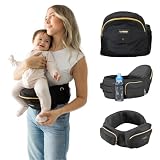
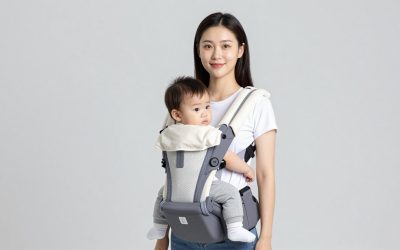
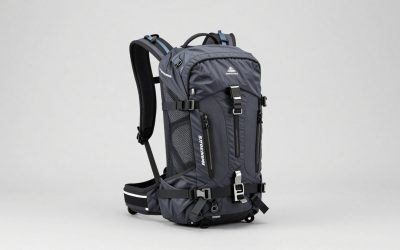
 Grownsy Safety-Certified Baby Hip Seat Carrier for
- 【Break Boundary】 Effortless Ups and Downs
- 【Stash Your Stuff】 Save extra spending on a…
- 【We’ve Got Your Back! And Your Hip】As baby…


As an Amazon Associate we earn from qualifying purchases at no extra cost to you.




Write Your Review
No reviews yet. Be the first to share your experience!