
Key takeaways
- Table of Contents 7 sections 9 min read 1 Quick Verdict 2 Side by Side 3 Where Ring Sling Wins 4 Where Soft Structured Carrier Wins 5 Cost Over 5 Years 6 Which One for Your Home 6.1 Small apartment…
What's inside
Choosing between a ring sling and a soft structured carrier is less about finding the universally “best” baby carrier and more about matching your daily routine. The real decision is whether you value the smallest, quickest, most flexible option—or more support, hands-free convenience, and a structured fit that can stay comfortable during longer walks.
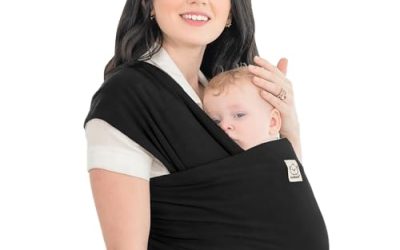
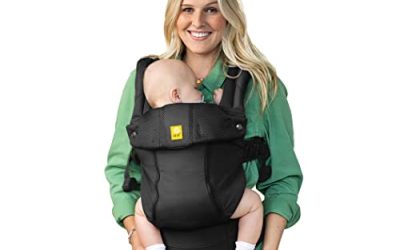
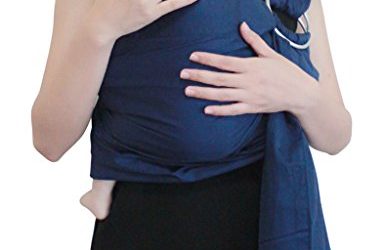
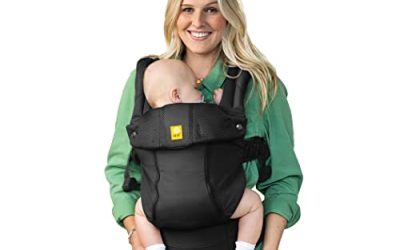
Both styles can work from infancy through toddlerhood, but they feel very different in use. A ring sling is a single piece of fabric adjusted with two rings, while a soft structured carrier (SSC) uses padded shoulder straps, a waist belt, and a shaped fabric panel. Your home matters, too: storage space, stairs, pets, laundry habits, and whether the carrier needs to disappear into a diaper bag can all influence the better choice.
As an Amazon Associate we earn from qualifying purchases at no extra cost to you. Product prices and availability are accurate as of the date shown and are subject to change.


Quick Verdict
Choose a ring sling if you want a lightweight carrier for short trips, quick up-and-down use, and compact storage. It is especially useful around the house, for errands, and for parents who prefer a hip carry once a baby has good torso control. Typical ring slings weigh about 1 to 2 pounds and fold into a small bundle.
Choose a soft structured carrier if you want better weight distribution, more padding, and a more secure feel for longer walks or heavier toddlers. Most weigh roughly 1.5 to 3 pounds and take more closet or drawer space, but the waist belt transfers some of the child’s weight from your shoulders to your hips.
For many households, the practical answer is not either-or: a ring sling can handle quick tasks, while an SSC covers longer outings. If you are buying only one, choose based on the longest and most frequent carrying sessions you expect.
Side by Side
| Factor | Ring Sling | Soft Structured Carrier |
|---|---|---|
| Comfort | Light and cool, but weight is concentrated over one shoulder | More evenly distributed with padded straps and a waist belt |
| Typical weight | About 1–2 pounds | About 1.5–3 pounds |
| Durability | Strong woven fabric; rings and stitching need regular inspection | Durable panels, buckles, webbing, and padding; more hardware to maintain |
| Price range | About $20–$100, with premium fabrics costing more | About $35–$200 or more |
| Maintenance | Often machine washable; drying and ring protection depend on the fabric | Often machine washable, but buckles and padding may require extra care |
| Space needed | Roughly 10–14 inches folded, depending on fabric thickness | Usually needs a 12–20-inch-wide drawer, shelf, or hook when stored |
| Look | Minimal, fabric-forward, and available in woven patterns | Sportier or more technical, with straps, buckles, and structured panels |
| Resale | Good if the fabric is clean and the rings and seams remain sound | Good for recognizable brands with intact buckles and clear weight ranges |
| Best for | Short carries, newborn cuddling, warm-weather use, and compact homes | Long walks, frequent errands, older babies, and toddler carrying |
Where Ring Sling Wins
It is fast to put on. Once threaded correctly, a ring sling can be adjusted with one hand. That is useful when a baby wants to be picked up repeatedly or when you are moving between the kitchen, nursery, and living room. There is no waist belt to position and no set of multiple buckles to connect.
It stores almost anywhere. A ring sling can hang on a wall hook, fit in a 10-inch cube, or slip beside a diaper bag. In a small apartment, that difference is meaningful. A bulky carrier that lives on the floor can become a tripping hazard, while a sling can remain accessible without occupying a chair or entryway basket.
It can be cooler. A single layer of breathable linen or a lightweight cotton blend generally creates less bulk than a padded carrier. The Boba Ring Sling Baby Carrier, Bamboo Linen, Newborn to Toddler, Linen Rye, listed at $44.99, is an example of the type of linen-forward option shoppers may consider. At the budget end, the MISSWISDOM Baby Ring Sling Baby Carrier is listed at $21.59 and advertises a 7- to 35-pound range. Always confirm the manufacturer’s instructions and your child’s developmental fit before using any model.
It works well for close contact. Ring slings are useful for newborn chest-to-chest carrying and quick soothing, provided the baby is positioned correctly, the airway remains visible, and the carrier is used within its instructions. They can also support a hip carry later, which many toddlers prefer when they want to look around but still need occasional support.
The tradeoff is asymmetry. A ring sling places most of the load on one shoulder and side of your body. It may feel excellent for 20 minutes but less comfortable during a two-hour walk, particularly with a larger baby or toddler.
Where Soft Structured Carrier Wins
It distributes weight more effectively. The waist belt and two shoulder straps create three points of support. When adjusted correctly, an SSC usually feels steadier for longer walks, museum trips, travel days, and household tasks that require both hands for an extended period.
It offers more adjustability between caregivers. Many models have adjustable shoulder straps, waist belts, and seat panels. That makes it easier for two adults with different body shapes to share one carrier. Some also offer front inward-facing, front outward-facing, or back carrying, although age, developmental readiness, and the specific model’s instructions determine which positions are appropriate.
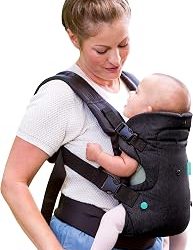
It can feel more secure with an active toddler. A shaped panel and buckled waist belt can provide a reassuring, supported fit as a child grows. The Mabē Monarch Ergonomic Baby Carrier, listed at $129, is one example of a premium SSC marketed for newborn-to-toddler use, with a stated 9- to 46-pound range and three carry positions. A lower-cost option is the Infantino Flip 4-in-1 Baby Carrier Convertible Ergonomic, Floral Navy, listed at $37.97. These price points show how widely structured carriers can vary.
It may be easier for first-time users to repeat consistently. Buckles and marked straps can make the setup feel more predictable than learning to tighten fabric through rings. However, structured does not mean automatically correct. The seat should support the child’s thighs, the baby’s face must remain clear, and straps should be snug without restricting breathing or movement.
The disadvantages are bulk, heat, and hardware. An SSC may take longer to put on, particularly over a coat, and it can be awkward to store in a narrow entryway. Padded straps also add warmth in summer.
Cost Over 5 Years
A ring sling usually costs about $20–$100. If one sling lasts five years and needs no replacement, the purchase cost averages approximately $4–$20 per year. A second sling for laundering, a different season, or a backup would raise the five-year total to about $40–$200.
Soft structured carriers commonly range from $35 to $200 or more. One $37.97 carrier averages about $7.59 per year over five years, while a $129 carrier averages $25.80 per year. Buying an infant-size carrier plus a toddler-size replacement—or replacing a worn carrier after several years—can bring the total closer to $100–$300.
These are purchase-cost estimates, not guarantees of lifespan. Inspect seams, rings, webbing, buckles, and fabric before every use, especially if the carrier is handed down. A small repair or replacement buckle may cost less than a new carrier, but damaged load-bearing components should not be used.
Which One for Your Home
Small apartment
Pick a ring sling if floor and closet space are limited. Its compact shape is easy to store on a hook near the door, and its lower weight makes it convenient for stairs and quick trips. An SSC is still worthwhile if you regularly walk long distances, but plan a dedicated storage spot so it does not consume an entryway chair or dining-room corner.
Family with kids and pets
An SSC is often the better primary carrier for longer periods of hands-free supervision. The waist belt can feel more stable while you manage a stroller, leash, snack, or older child. A ring sling remains useful for quick pickups, but trailing fabric should be kept away from pets, food, and anything that could catch or pull it.
Rental home
Both options work well because neither requires installation. A ring sling has the advantage if you want minimal visual clutter and no permanent storage furniture. For an SSC, use a freestanding basket, over-door organizer, or existing closet shelf rather than drilling hooks into the wall.
Long-term home
Buy based on your carrying pattern rather than the room’s size. If you expect daily walks, travel, or carrying a child well into toddlerhood, invest in an SSC with a comfortable waist belt and a clearly stated weight range. If your use will be mostly around the house and for short errands, a well-fitting ring sling may offer the better value.
FAQ
Is a ring sling or soft structured carrier better for a newborn?
Either can work when the specific carrier permits newborn use and the baby is positioned correctly. A ring sling can provide close, compact support, while some SSCs require a newborn insert or a minimum weight. Follow the product instructions, keep the baby’s face visible, and check the airway frequently.
Which is more comfortable for a toddler?
A soft structured carrier is usually more comfortable for the adult during longer toddler carries because the waist belt and two shoulder straps spread the load. A ring sling can still be excellent for short hip carries, especially when the toddler frequently wants to walk and be picked up again.
Can I use either carrier for a long walk?
Yes, but an SSC is generally the stronger choice for walks lasting more than about 30–60 minutes. Fit matters more than the category: tighten the carrier so the child sits high and close, and stop if you experience numbness, back pain, or shoulder strain.
Which carrier is easier to clean?
Both are often machine washable, but care instructions vary by fabric, padding, and hardware. A ring sling has fewer components and may dry faster. For either style, remove crumbs promptly, use the recommended cycle, and avoid treating a stained or damaged carrier as safe simply because it looks clean.



Write Your Review
No reviews yet. Be the first to share your experience!