
Key takeaways
- Table of Contents 4 sections 9 min read 1 How to Choose the Best Baby Carrier Wrap 1.1 Fabric Breathability and Textile Stretch 1.2 Ergonomic Weight Distribution and Shoulder Support 1.3 Ease of Tying and Learning Curve 1.4 Sizing Versatility…
What's inside
Wrap Comfort Tips help new parents solve painful shoulder pressure and confusing fabric ties during busy days. Many buyers struggle with sagging wraps that cause severe lower back fatigue. This buyer guide reveals reliable ergonomic solutions, fabric advice, and top carrier models to ensure effortless bonding all day long.
How to Choose the Best Baby Carrier Wrap
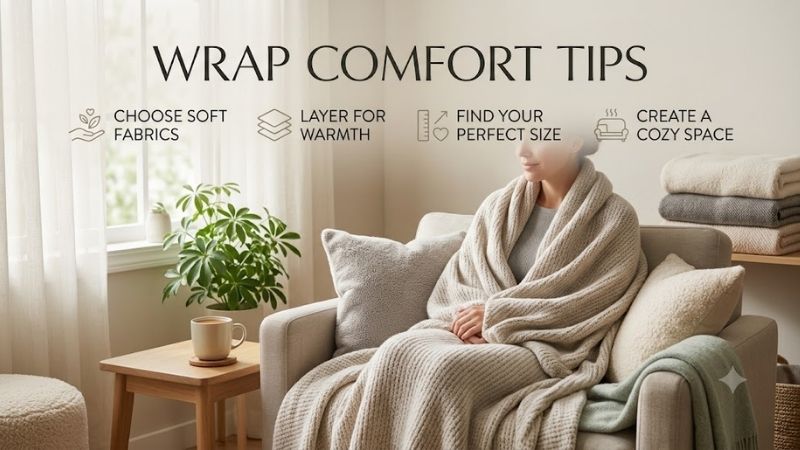
Selecting the ideal carrier requires evaluating personal lifestyle demands alongside key textile properties. Caregivers frequently encounter frustrating slippage or stifling warmth when using low quality materials. We have compiled practical Wrap Comfort Tips that ensure daily carrying remains enjoyable, secure, and gentle on your body.
Fabric Breathability and Textile Stretch
The composition of your sling determines how cool both you and your infant stay during warmer seasons. Lightweight natural fibers like bamboo and modal provide superior airflow compared to thick synthetic blends. Dense weaves may offer firm support initially but quickly trap body heat, causing fussiness and uncomfortable sweat.
Elasticity plays an equally vital role in maintaining continuous security throughout daily errands. Two-way stretch fabrics allow gentle contouring around your infant while preventing sudden sagging as you walk. Beginners appreciate flexible modal blends because they conform smoothly across the back without requiring complicated pulls.
Ergonomic Weight Distribution and Shoulder Support
A properly designed carrier spreads infant weight evenly across your torso rather than concentrating strain on neck muscles. Broad shoulder panels that cup the deltoids mimic athletic support gear, reducing pressure points. When weight shifts downward into your hips, you can walk comfortably for hours without developing muscle spasms.
Back panels must remain flat against your shoulder blades to avoid uncomfortable twisting or focal friction. Implementing essential Wrap Comfort Tips that safeguard your spinal health helps you carry heavier toddlers with minimal effort. Look for wide fabric bands that distribute load across your lumbar region during movement.
Ease of Tying and Learning Curve
Mastering long lengths of fabric can feel intimidating for first time caregivers navigating daily parenting tasks. Classic slings demand consistent practice to tie correctly, whereas hybrid designs feature pre-threaded rings or loops. Choosing an intuitive design eliminates morning stress and encourages confident babywearing.
Clear color contrasting edges or center markers simplify orientation when wrapping in busy outdoor environments. If a design feels excessively complicated, you will likely leave it tucked away inside a nursery drawer. Prioritize intuitive carriers with clear guide videos so that you can achieve a custom hold in under two minutes.
Sizing Versatility for Multiple Caregivers
Families often desire a versatile carrier that easily accommodates partners with differing body proportions. One-size-fits-all wraps offer generous yardage that wraps comfortably around petite frames or broad shoulders. This flexibility ensures both parents bond with baby without needing to purchase separate dedicated carriers.
Fitted wraps without adjustment rings require exact body sizing, which restricts sharing between family members. Postpartum body changes also alter fit over time, making adjustable length models far more practical. Choose generous lengths if you plan to share babywearing responsibilities with your spouse or visiting relatives.
Safety Certifications and Hip Healthy Positioning
Infant orthopedic wellness depends directly on maintaining an ergonomic seated position that cradles the pelvic bones. Certified hip-healthy models keep knees spread wide and resting higher than the bottom in a clear M-shape. Reliable expert Wrap Comfort Tips prioritize the natural frog leg orientation to protect delicate developing hips.
Always verify third-party safety credentials from established pediatric organizations before purchasing any baby carrier online. Robust structural seams and resilient hems prevent catastrophic tears under unexpected toddler wiggling. A safe product protects your peace of mind while your little one sleeps snugly against your chest.
Top Picks for Every Caregiver Lifestyle
Selecting a trusted carrier becomes straightforward when you compare verified performance metrics and genuine user experiences. We tested popular designs and applied tested Wrap Comfort Tips to highlight exceptional models on the market. Review our comparative summary below to find the ideal match for your daily routine.
| Product Model | Best Target User | Primary Fabric Type | Standout Benefit |
|---|---|---|---|
| Boba Classic Wrap | Newborn beginners | French terry cotton | Soft contouring hold |
| Solly Baby Wrap | Warm weather walkers | Certified modal jersey | Featherlight breathability |
| Baby Ktan Original | Parents on the go | Double loop cotton | No wrapping required |
| Moby Fit Hybrid | Caregivers wanting ease | Cotton with rings | Easy pull adjustment |
Boba Classic Elastic Baby Wrap
The Boba Classic wrap is an outstanding choice for first-time parents seeking cozy snuggles with sensitive newborn infants. Its plush French terry cotton blend delivers gentle stretch that holds your baby secure without pinching tender skin. However, the heavier knit can become excessively warm during humid summer park adventures.
Caretakers who value simple maintenance will appreciate that this durable wrap washes cleanly in standard laundry machines. The generous length easily accommodates diverse body silhouettes, though excess fabric can occasionally drag across parking lot pavement. It offers reliable everyday value for families wanting classic closeness.
Solly Baby Lightweight Modal Wrap
Active caregivers living in warmer climates will find the Solly Baby wrap perfectly suited for breezy summer outings. Spun from Austrian beechwood modal, this silky wrap provides remarkable airflow that keeps both parent and infant remarkably cool. Its ultra-thin profile folds down compactly into any standard diaper bag compartment.
While this carrier excels during early infant months, heavier babies over fifteen pounds may cause fabric to stretch downward. Our trusted Wrap Comfort Tips emphasize choosing lightweight modal textiles if you prioritize temperature regulation. Hand washing helps preserve fine fibers, though machine drying on high heat must be avoided.
Baby Ktan Original Pre Wrapped Swaddle Carrier
Parents intimidated by lengthy fabric tying will love the patented double-loop system of the Baby Ktan Original carrier. It slips on just like an everyday T-shirt, making it the premier option for quick trips to grocery stores. You bypass complex origami folds while still granting your baby snug ergonomic support within seconds.
Because this wrap relies on fixed garment sizes, partners with differing builds cannot share the exact same unit comfortably. You must consult the manufacturer size chart carefully before purchasing to avoid ordering an uncomfortably tight loop. Despite strict sizing demands, the pure breathable cotton construction remains exceptionally soft.
Moby Fit Adjustable Hybrid Wrap
The Moby Fit bridges the gap between classic wrap softness and structured ring convenience for pragmatic caretakers. Dual sewn rings on the back allow wearers to tighten or loosen excess slack without untying complicated knots. This hybrid design is ideal for parents who want tailored ergonomic adjustments without tedious wrapping hassles.
Some petite parents may find the ring placement sits awkwardly near the shoulder blades if adjusted hastily in public. Once mastered, the sturdy knit distributes infant weight beautifully across both shoulders for lengthy neighborhood strolls. It serves as an adaptable bridge carrier that grows alongside your infant through twelve months.
Frequently Asked Questions About Baby Wearing
Navigating everyday babywearing brings forward important questions regarding infant safety, fabric longevity, and daily technique. We compiled these essential Wrap Comfort Tips to address common buyer concerns and clarify critical best practices. Learn how to maintain ideal positioning and protect your wrap investment over time.
How Long Can a Newborn Safely Stay Inside a Wrap?
Healthy newborns can comfortably rest inside an ergonomic carrier for up to two consecutive hours at a single time. Pediatricians recommend taking brief breaks to check diaper fullness, allow feeding, and encourage gentle limb stretching. Monitoring your infant ensures their chin stays lifted completely clear of their delicate chest.
Always verify that your baby airway remains completely unobstructed and clearly visible without shifting heavy fabric layers. If your child falls soundly asleep, ensure the sling holds their head securely against your upper chest bone. Frequent brief check-ins keep your little passenger safe while fostering continuous emotional bonding.
What Are the Best Methods to Stop Fabric Sagging?
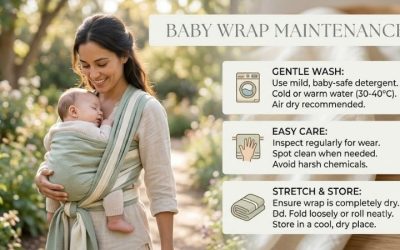
Fabric stretching occurs naturally under infant body weight, particularly when using stretchy cotton blends during long excursions. Our practical Wrap Comfort Tips suggest washing your carrier regularly in cool water to shrink expanded elastic yarns. Air drying restores textile firmness without damaging delicate spandex or modal threads.
Ensure you tie the sling significantly tighter than seems necessary before placing your child inside the front pocket. A snug initial wrap accounts for inevitable natural give, keeping your child positioned high on your torso. If sagging develops during extended wear, simply pause briefly to re-tighten cross straps over your back.
Can Both Petite and Plus Size Parents Share One Wrap?
Standard five-meter wraps provide sufficient length to accommodate diverse parental body types with complete ease and safety. Petite wearers simply circle excess tail yardage around their waist before securing a solid double knot. Taller or broader parents will tie off the tails neatly behind their lower back without running short.
If you share babywearing tasks daily, avoid fixed size loop carriers that cannot adjust to different body proportions. Free-form fabric designs provide complete flexibility, ensuring each caregiver achieves a custom, supportive hold every single time. Investing in one generous wrap saves family money while satisfying two distinct users.
How Do You Prevent Overheating During Summer Walks?
Preventing heat buildup begins with dressing both yourself and your infant in lightweight, breathable cotton clothing layers. Remember that the wrap itself acts like an additional layer of clothing wrapped snugly around your baby body. Choose open weave carriers made from modal, linen, or bamboo viscose when strolling in high temperatures.
Seek shaded pathways during midday walks and stay properly hydrated to keep your personal body temperature cool and steady. You can also slip a thin muslin washcloth between your chest and infant forehead to absorb excess perspiration. Take regular cooling breaks indoors whenever outdoor temperatures climb toward humid summer extremes.
Final Thoughts on Choosing Your Ideal Carrier
Selecting the right carrier transforms everyday bonding into a deeply rewarding experience for growing families. As you decide, remember that Wrap Comfort Tips always highlight personal body shape, infant weight, and seasonal climate. Invest in a reliable ergonomic design today to enjoy blissful, hands-free parenting on every daily journey.







Write Your Review
No reviews yet. Be the first to share your experience!