
Key takeaways
- Table of Contents 4 sections 8 min read 1 How to Choose the Best Baby Gear for Your Family 1.1 Ergonomic Support and Infant Hip Health 1.2 Caregiver Comfort and Weight Distribution 1.3 Fabric Breathability and Climate Control 1.4 Ease…
What's inside
Wrap vs carrier decisions confuse countless new parents who simply want safe, comfortable bonding with their newborn. Between complicated fabric ties and bulky ergonomic buckles, choosing the right baby gear feels overwhelming. This detailed buying guide reveals vital differences to help you select the ideal carrier with total confidence.
How to Choose the Best Baby Gear for Your Family
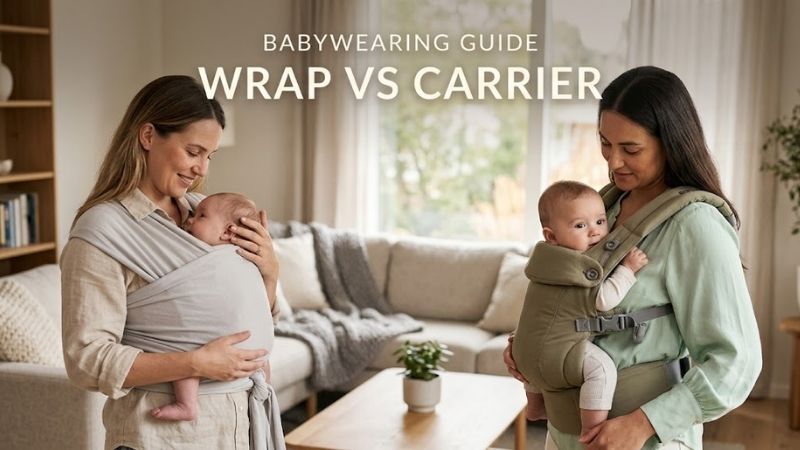
Evaluating a wrap vs carrier purchase requires understanding your lifestyle, physical recovery, and daily routine with an infant. New caregivers often struggle with tangled fabrics or heavy lumbar straps when soothing a fussy infant. Taking time to inspect essential features will ensure you invest in a practical, comforting baby carrier.
Ergonomic Support and Infant Hip Health
Infant hip positioning is the most critical safety factor when comparing babywearing models on the market today. Medical professionals recommend an ergonomic spread-squat position where the baby thighs are supported securely from knee to knee. This healthy natural alignment prevents hip dysplasia during crucial developmental growth stages.
Caregivers must ensure that the seat width adjusts smoothly as their infant grows into an active curious toddler. When deliberating a wrap vs carrier format, check whether the base maintains an ergonomic M-shape seat naturally. Selecting gear certified by hip health organizations gives parents peace of mind during everyday outings.
Caregiver Comfort and Weight Distribution
Carrying a growing baby for several consecutive hours places noticeable strain across shoulders, neck, and lower back muscles. High quality babywearing gear distributes the infant weight evenly across your torso using wide fabric panels or padded waistbelts. Proper lumbar support prevents chronic soreness during long afternoon walks.
Parents with varying body shapes need products that adapt effortlessly to different heights and shoulder widths. Buckle systems often offer quick strap adjustability, while soft textile wraps mold custom contours around any adult frame. Finding an option that balances lumbar pressure guarantees comfortable carrying experiences daily.
Fabric Breathability and Climate Control
Body heat builds up quickly when parent and newborn stay pressed close together during warm summer afternoons. Lightweight textiles such as modal, linen, and technical mesh circulate fresh air and prevent excessive perspiration. Choosing breathable babywearing gear keeps both you and your infant cool, calm, and cozy in any season.
Synthetic fabrics with limited ventilation can trap sweat against delicate baby skin, causing uncomfortable rashes and agitation. Parents living in humid areas should prioritize moisture-wicking organic fibers that remain gentle across sensitive complexions. Always check textile durability before selecting your everyday home carrier.
Ease of Use and Speed of Adjustment
Busy mornings demand babywearing gear that puts on quickly without requiring complicated tutorials or third-party assistance. While tying fabric pieces into secure wraps takes patience, click-and-go buckle designs snap together within seconds. Consider how much time you want to spend adjusting fasteners while soothing an impatient infant.
If multiple caregivers plan to share one carrier, straightforward adjustment tabs allow painless transitions between parents. Fabric wraps offer universal sizing without moving clips, yet buckle straps provide numbered webbing indicators for exact alignment. Pick the adjustment mechanism that matches your patience level and schedule.
Top Picks for Practical Everyday Babywearing
Finding the winning wrap vs carrier style depends entirely on how you balance soft newborn closeness against rugged outdoor functionality. Our top selections feature trusted models tested across demanding nursery routines and urban commutes. Review these honest critiques to identify the ideal babywearing gear for your child.
Boba Classic Baby Wrap
This stretchy cotton wrap suits quiet home bonding and soothing tiny infants during the fourth trimester. New parents who cherish snug chest-to-chest contact will appreciate the natural custom fit and soft breathable jersey knit fabric. Its continuous support mimics the secure feeling of the womb for restless sleeping babies.
A significant benefit is that one continuous piece of fabric stretches to fit postpartum bodies without rigid pinch points. However, the lengthy material can drag across dirty parking lots, and mastering knot techniques requires patience. It remains an affordable winner for tranquil indoor nursing routines with smaller babies.
Ergobaby Omni 360 All-in-One Carrier
Active parents who enjoy park strolls, family travel, and errands will love this versatile structured buckle carrier. Its rugged lumbar belt provides exceptional back reinforcement, making heavier infants feel weightless during long outings. Multiple ergonomic carry positions support curious babies as they grow toward toddlerhood.
The padded shoulder straps cross easily across the spine, creating extraordinary comfort for busy outdoor excursions. On the downside, the heavy construction takes up significant diaper bag space and feels overly warm during humid afternoons. It offers lasting durability for caregivers prioritizing sturdy long-term utility.
Baby K’tan Original Baby Wrap Carrier
Caregivers seeking a compromise in the wrap vs carrier comparison will find this hybrid model uniquely suited for speed. It features a patented double-loop cotton structure that slips over your head like a t-shirt without knotting fabric. This clever construction suits anxious first-time parents craving simplicity and closeness.
You gain the velvety intimacy of traditional cloth wraps alongside remarkably fast, stress-free wearable loading. The main limitation is rigid sizing that prevents partners of differing body sizes from sharing the same individual piece. Regardless, it delivers reliable soothing power for infants from birth up to thirty-five pounds.
| Model Name | Wrap vs Carrier Design | Primary Strength | Ideal User |
|---|---|---|---|
| Boba Classic Wrap | Traditional Fabric Wrap | Ultimate Newborn Snugness | Home Nursing Parents |
| Ergobaby Omni 360 | Structured Buckle Carrier | Heavy Lumbar Support | Hiking and Active Commuters |
| Baby K’tan Original | Hybrid Slip-On Wrap | Fast No-Tie Setup | Beginners Wanting Quick Wear |
Frequently Asked Questions About Baby Carriers
Navigating the wrap vs carrier debate brings up practical safety and logistical questions among first-time caregivers. Whether you worry about newborn airflow, nursing privacy, or back discomfort, knowing basic usage rules prevents mishaps. The following answers solve the most frequent babywearing dilemmas quickly and clearly.
Can You Safely Breastfeed Inside a Baby Carrier?
Yes, nursing discreetly inside both wraps and structured carriers is achievable once you master proper positioning. You simply loosen the fabric rings or adjust side buckle straps slightly to lower your baby down toward breast level. Always ensure that the infant nose remains clear of clothing and breasts during feeding.
Once your child finishes feeding, immediately return them upright so their chin stays off their chest for clear respiration. In the wrap vs carrier debate, stretchy cloth offers greater privacy, but structured straps re-tighten more quickly. Practice while sitting on a sofa until you feel secure nursing on the move.
At What Age Can a Newborn Start Babywearing?
Most full-term infants weighing seven pounds or more can enter a soft infant wrap immediately following hospital discharge. Stretchy fabric cradles fragile spines and maintains thermal stability against parent skin, fostering essential emotional security. Always verify that the medical team clears low birth weight infants beforehand.
Rigid buckle models often require a specialized padded insert until the baby reaches approximately twelve pounds or four months old. Without that newborn insert, smaller babies risk slumping sideways, which could compromise their open respiratory passages. Check manufacturer guidelines to verify minimum weight ratings carefully.
How Long Can a Baby Stay in a Carrier Each Day?
Pediatric experts recommend limiting continuous babywearing sessions to roughly two hours before taking a scheduled movement break. Removing your baby allows you to stretch tired shoulder muscles while giving your infant freedom to kick and wiggle freely. Regular breaks also prevent joint stiffness and skin temperature elevation.
As long as your child remains awake or naps comfortably with clear breathing, multiple daily carrying intervals are safe. Make sure to alternate carrying positions periodically and offer plenty of tummy time on a play mat between naps. Responsive parenting ensures babywearing serves as a wonderful bonding aid throughout the day.
How Do You Wash and Maintain Baby Gear?
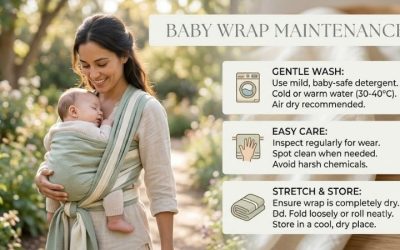
Babywearing equipment accumulates spit-up, milk dribbles, and sweat, making regular laundry care necessary for hygiene. Most fabric wraps wash easily inside a standard machine on a gentle cycle using mild baby-safe liquid detergent. Avoid fabric softeners because coating agents can reduce friction grip across interwoven yarn fibers.
For structured buckle designs, fasten every clasp and place the gear into a mesh laundry bag before running cold water cycles. Air dry all babywearing products flat away from direct radiant heat to protect webbing integrity and elastic loops. Spot cleaning small spills between washes keeps your baby carrier fresh and ready to use.
Final Thoughts on Your Baby Carrier Choice
Settling the wrap vs carrier debate ultimately depends on your child stage, daily lifestyle, and comfort expectations. If you treasure newborn cuddles around the house, fabric wraps offer unparalleled softness, whereas structured buckle carriers excel for outdoor adventures. Trust your personal needs to find the carrier that supports your family.






Write Your Review
No reviews yet. Be the first to share your experience!