
Key takeaways
Wrap Safety Guide basics solve common parent worries like loose fabric sagging, accidental airway blockage, and fussy infants on busy days. Navigating modern babywearing can feel overwhelming when balancing warmth, positioning, and comfort. This comprehensive walkthrough helps you master newborn care and choose dependable carriers.
How to Choose a Safe Baby Wrap Carrier
Selecting an ergonomic baby carrier requires balancing textile durability with dependable spine support during everyday outings. This thorough wrap safety guide explores vital purchase criteria to help you identify an ideal model for your infant. Prioritizing these foundational traits guarantees your traveler stays secure and calm.
Certified Ergonomic Hip Support Standards
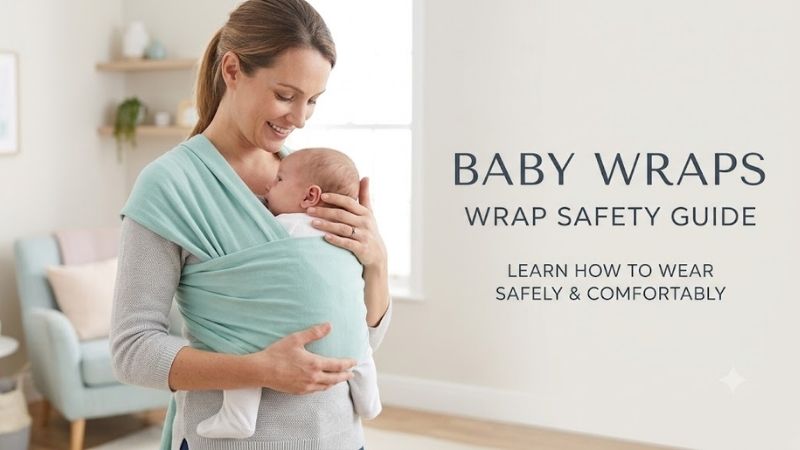
Proper physiological positioning demands maintaining an organic spread squat posture during every family excursion. When wearing an ergonomic carrier, deep fabric bands elevate knees above the pelvic basin to form a natural M shape. This reassuring configuration protects hip joint development without creating uncomfortable pressure points.
Narrow carriers often bunch rigid fabric between delicate thighs, causing dangling legs that strain fragile spines. Wide fabric passes should extend smoothly from knee pit to knee pit, distributing infant weight evenly across your torso. Securing this stable posture prevents dysplasia while keeping little passengers pleasantly relaxed.
Breathable Natural Fiber Construction
Textiles directly influence how efficiently excess body heat disperses while keeping resting newborns safe during daily routines. Following our wrap safety guide suggestions means selecting pure organic cotton or modal weaves that allow air to circulate freely. Continuous airflow prevents damp sweat accumulation between parent and child.
Dense synthetic textiles trap humidity, causing uncomfortable prickly heat across sensitive newborn skin. Choosing airy woven fibers guarantees optimal thermal regulation during balmy morning adventures. High quality plant threads also withstand repeated laundry cycles without stretching out of shape or losing strength over time.
Secure Fastening and Structural Stability
Reliable structural hardware ensures your chosen carrier holds tension without slippage during sudden physical movements. High quality buckles and reinforced rings must undergo rigorous stress testing to support growing infants safely. Inspecting seam stitching guarantees that dynamic weight loads never cause accidental failures.
Flimsy fasteners can loosen gradually as you walk, creating sudden posture drops that endanger delicate airways. Investing in certified products with double stitching prevents fabric slippage during outdoor activities. Caregivers gain immense peace of mind when structural components remain firmly locked under routine strain.
Easy Adjustability Across Caregiver Sizes
Flexible sizing allows multiple family members to share carrying duties without complicated recalibration steps. Finding a wrap safety guide recommendation that accommodates petite and tall frames ensures balanced torso weight distribution. Generous fabric lengths provide adaptable wrapping options for varied adult body types.
Fixed carriers frequently restrict shared usage between parents, forcing households to purchase separate products unnecessarily. Look for versatile wrap lengths that adjust smoothly through intuitive ties and adjustable loops. Uniform fabric tension safeguards adult backs from chronic muscle fatigue during extended errands.
Top Picks for Safe Infant Babywearing
Evaluating verified models built for daily carrying becomes simple when applying key safety standards to every design. This detailed wrap safety guide compares top rated infant wraps to help you discover the most supportive option for your family. The summary table below highlights vital technical details before individual reviews.
| Carrier Model | Wrap Category | Fabric Material | Weight Limit |
|---|---|---|---|
| Solly Baby Wrap | Traditional Wrap | 100% Lenzing Modal | 8 to 25 lbs |
| Boba Classic Wrap | Elastic Wrap | 95% Cotton 5% Spandex | 7 to 35 lbs |
| Baby Ktan Breeze | Pre-Wrapped Carrier | 50% Cotton 50% Mesh | 8 to 35 lbs |
| Moby Featherknit Wrap | Ultra-Soft Wrap | 100% Breathable Modal | 8 to 33 lbs |
Solly Baby Lightweight Modal Wrap
This gossamer wrap suits parents seeking a buttery soft carrier for tender newborns during peaceful afternoon outings. Crafted from sustainable Austrian beechwood modal, the fabric molds securely around fragile infant spines without friction. However, the modest twenty five pound weight limit prevents prolonged usage past infancy.
The breathable construction prevents overheating during warm park strolls, protecting delicate airways through close visual contact. Its lightweight profile packs effortlessly inside diaper bags, making spontaneous airport transfers simple. Dedicated users love how the resilient weave preserves its elasticity after continuous washing.
Boba Classic Elastic Infant Carrier
This supportive carrier fits beginners wanting generous stretch that creates a snug womb like feeling for resting babies. The French terry cotton blend delivers balanced contouring while holding active babies firmly against caregiver chests. Nonetheless, the dense fabric weave can feel overly warm during humid summer afternoon walks.
Generous fabric yardage lets parents tie custom configurations that adapt gracefully as their little ones grow each month. Sturdy lateral seams eliminate fabric sagging, ensuring infants stay high and visible throughout long grocery runs. Thoughtful structural support evenly balances infant weight across parental shoulders and lower backs.
Baby Ktan Breeze Breathable Carrier
This clever hybrid design benefits busy caregivers who feel intimidated by complex fabric tying techniques on hectic mornings. Incorporating our wrap safety guide advice, this carrier uses split cotton and mesh panels to enhance cooling ventilation. On the downside, fixed garment sizing prevents parents of different sizes from sharing.
Slips on effortlessly like a regular shirt, allowing parents to secure infants within seconds without dragging long tails on floors. The included sash doubles as an ergonomic stabilizer wrap and a handy travel case during car trips. First time parents appreciate achieving compliant spread squat ergonomics without guesswork or stress.
Moby Featherknit Breathable Infant Wrap
This versatile wrap serves budget conscious families who demand dependable physical stability alongside featherlight softness. Finely spun modal knit fabric stretches evenly across adult torsos, providing customized pressure distribution during chores. Nevertheless, the substantial fabric length requires patient practice to master.
The featherweight textile breathes noticeably better than conventional thick wraps, banishing moisture on active park outings. Ample fabric length accommodates diverse caregiver builds, enabling both partners to share carrying duties comfortably. Dependable tensile durability maintains consistent support without drooping over time.
Frequently Asked Questions About Babywearing
Caregivers frequently encounter practical questions regarding correct positioning, airway maintenance, and daily carrier hygiene routines. Following a clear wrap safety guide simplifies common babywearing challenges and reinforces safe habits. The detailed answers below resolve essential concerns so you can venture forth with total peace.
How Do Parents Keep Infant Airways Clear?
Maintaining clear breathing passages requires positioning your baby upright with their chin resting comfortably away from their chest. A curled fetal posture can pinch delicate tracheas, restricting vital airflow during prolonged afternoon naps. Caregivers should ensure there is always at least two fingers of space beneath the chin.
Fabric must never cover your infant face or mouth, ensuring continuous visual checks throughout your daily excursions. You should be able to kiss the top of your baby head simply by tipping your chin downward slightly. Constant vigilance and snug wrapping prevent accidental slouching during busy outdoor neighborhood strolls.
What Are the Key TICKS Babywearing Rules?
The TICKS safety acronym provides an intuitive checklist that prevents accidental infant positioning mistakes inside soft carriers. Studying this wrap safety guide framework guarantees that your wrap stays tight, in view at all times, and close enough to kiss. Keeping the infant chin off their chest ensures unobstructed respiration.
The final rule focuses on supporting the back so your resting infant cannot slump into an unnatural curled configuration. A snug wrap holds your baby tummy and chest comfortably against your torso to maintain an open posture. Reviewing these five simple rules before every single outing builds lasting parental competence and calm.
How Long Can an Infant Safely Stay in a Wrap?
Healthy infants can rest in properly fitted carriers for roughly one to two hours before requiring an active physical break. Prolonged immobility can limit healthy joint movement and generate excess warmth between caregiver and infant bodies. Taking routine breaks gives babies vital opportunities to stretch, nurse, and regulate temperature.
Caregivers should listen to infant cues and remove babies whenever they display signs of fussiness or physical restlessness. Short periods of floor tummy time between carrying sessions support optimal core muscular development and motor skill growth. Mindful rotation between carrying and floor play keeps little ones content and thriving.
How Often Should Baby Wraps Be Laundered?
Regular babywearing exposes textile fibers to caregiver sweat, infant saliva, and stray outdoor dust particles during routine use. Laundering your carrier every several wears maintains fabric elasticity and washes away abrasive salt crystals from dried perspiration. Gentle machine cycles safeguard fragile stitching while banishing odors.
Always select gentle fragrance free detergents that protect sensitive infant skin from allergic contact dermatitis and itchy rashes. Air drying your wrap in shaded outdoor breezes prevents unwanted shrinkage and keeps natural fibers pleasantly soft. Consistent hygienic maintenance ensures your trusted carrier remains fresh and safe.
View more products:
Final Thoughts on Safe Babywearing
Embracing the principles outlined in this wrap safety guide allows you to enjoy wonderful moments of closeness with complete peace of mind. Select an airy modal wrap for serene newborn bonding or a structured hybrid for hectic family travel. Prioritizing airway clearance and hip support guarantees comfortable adventures every day.
Our top picks


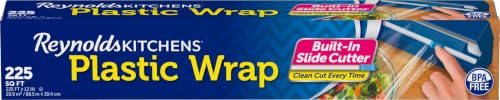 Reynolds Kitchens Clear Plastic Wrap
- Contains one roll of Reynolds Quick Cut Plastic…
- Built-in slide cutter delivers a perfectly-sized, clean cut…
- Blue Reynolds tab on every roll eliminates the…


As an Amazon Associate we earn from qualifying purchases at no extra cost to you.








Write Your Review
No reviews yet. Be the first to share your experience!