
Key takeaways
Baby Carrier Mistakes can lead to severe back pain for parents and hazardous positioning for growing infants during daily walks. Choosing the wrong carrier or adjusting straps improperly creates unnecessary physical strain for both you and your child. This guide reveals top ergonomic models to keep your baby safe and comfortable.
How to Choose a Carrier and Avoid Fitting Errors
Selecting the right gear requires careful attention to essential structural details before making a final purchase. Caregivers must evaluate material durability, lumbar padding, and adjustment systems to ensure maximum physical safety. Avoiding baby carrier mistakes starts with selecting a reliable harness with total confidence.
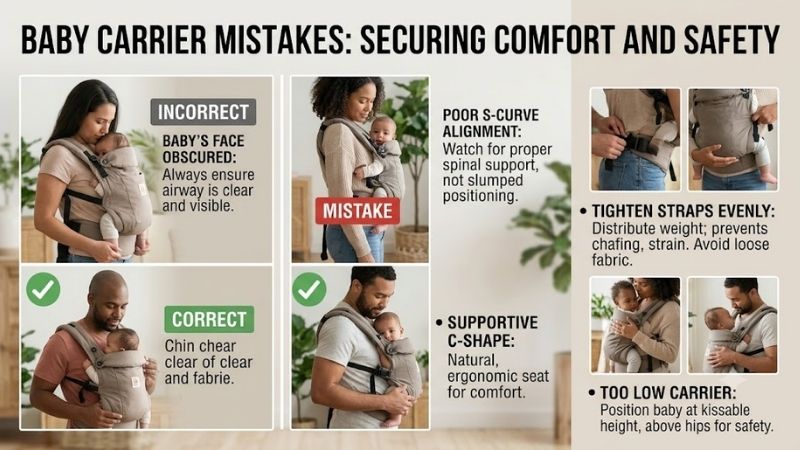
Evaluating Seat Base Width and Hip Support
Proper hip alignment relies on a wide seating base that supports infants from knee to knee in an ergonomic position. Narrow seats allow infant legs to dangle vertically, which places excess pressure on developing hip joints over time. Ensuring your carrier maintains a natural shape prevents joint displacement during long daily walks outdoors.
Adjustable seat panels accommodate your growing child while preserving optimal physical alignment across every growth stage. Quality designs feature simple toggles or velcro straps that adjust panel width without compromising safety or balance. Investing in adaptive seat options protects fragile joint structures as your child grows rapidly.
Assessing Lumbar Support and Weight Distribution
Heavy toddlers place substantial stress on your shoulders if the waist belt fails to distribute load forces evenly. Thick lumbar pads transfer weight down toward your hips, relieving acute upper back tension during extended trips. Evaluating waist belt padding before buying prevents physical exhaustion when carrying heavy toddlers for hours.
Crossing shoulder straps across your back creates a balanced harness structure that reduces localized muscle fatigue significantly. Customizable strap configurations help caregivers of various body shapes find an ideal ergonomic fit easily. Adopting supportive strap systems ensures comfortable carrying performance throughout your daily routine.
Checking Fabric Breathability and Material Strength
Dense fabrics without ventilation trap body heat quickly, causing discomfort and skin irritation for sensitive infants in summer. Breathable 3D mesh panels promote continuous airflow to maintain a cool internal environment during warm weather walks. Selecting weather-appropriate textiles keeps your baby comfortable throughout long outdoor trips.
Sturdy canvas textiles withstand daily wear while maintaining firm structural support under heavier toddler loads over time. Reinforced seam stitching prevents fabric tearing around primary stress points when carrying active children outdoors. Choosing premium structural fabrics guarantees long-term durability and continuous family safety.
Understanding Weight Thresholds and Age Capacity
Operating outside recommended capacity bounds creates physical hazards and leads to frequent baby carrier mistakes at home. Newborns require firm neck support to protect fragile airways, while heavy toddlers need reinforced structural webbing. Verifying upper and lower capacity limits guarantees complete safety during every growth stage.
Versatile models featuring broad capacity ranges extend product utility from initial infant weeks through early toddlerhood smoothly. Clear weight markers help parents adjust strap tensions appropriately to maintain proper infant elevation at all times. Checking capacity ratings before buying ensures your investment lasts for years without issue.
Top Picks for Safety and Daily Comfort
Finding a dependable model requires comparing structural versatility, soft materials, and long-term carrying comfort across top options. Tested products deliver exceptional durability and ergonomic support, helping parents avoid baby carrier mistakes when choosing gear. Review these top market models to choose equipment that fits your routine budget.
| Product Model | Minimum Weight | Maximum Weight | Primary Material | Ideal User | | Ergobaby Omni 360 | 7 lbs | 45 lbs | Cotton Canvas | Active Parents | | LILLEbaby Complete | 7 lbs | 45 lbs | 3D Mesh & Canvas | All-Weather Walkers | | BabyBjorn Mini | 7 lbs | 24 lbs | Soft Jersey | Urban Newborns | | Tula Explore | 7 lbs | 45 lbs | Premium Cotton | Fashionable Families |
Ergobaby Omni 360 All-in-One Carrier
This versatile model caters to parents seeking long-term utility without needing separate infant inserts for small newborns. The sturdy canvas build supports children from seven to forty-five pounds effortlessly during outdoor family activities. Robust waist support reduces back strain, making it an ideal choice for daily long walks outdoors.
Key strengths include excellent weight distribution, high material durability, and an integrated weather hood for sun protection. On the downside, the thick cotton fabric feels slightly bulky when packed inside compact diaper bags for travel. It remains an outstanding option for caregivers prioritizing total structural support and longevity.
LILLEbaby Complete Airflow Ergonomic Carrier
Engineered for optimal temperature regulation, this design features breathable mesh panels for comfortable all-season use. It accommodates infants from seven up to forty-five pounds while providing six customized carrying positions for parents. Caregivers needing superior lumbar support will appreciate the wide padded waistband structure.
Major advantages are six versatile carrying positions, superior spinal support, and exceptional ventilation for hot summer outings. However, adjusting multiple buckles while wearing thick winter gloves requires extra time and patience outdoors. It excels for active families seeking versatile temperature control during daily neighborhood strolls.
BabyBjorn Carrier Mini Soft Jersey
Designed specifically for early infant months, this compact model offers quick loading for active urban parents on the go. The lightweight jersey material gently cradles infants from seven to twenty-four pounds with cozy warmth and softness. Intuitive front buckles make securing your infant fast and effortless without complex adjustments.
Main benefits include buttery soft fabrics, simple front fastening, and compact storage inside small travel diaper totes easily. Preventing baby carrier mistakes related to fit is easy with this simplified harness. The primary drawback is a lower upper capacity limit that requires upgrading once your baby grows into toddlerhood.
Tula Explore Multi-Position Carrier
Combining vibrant fabric patterns with ergonomic functionality, this model supports babies from seven up to forty-five pounds. Easy adjustment settings allow simple transitions between inward and outward facing modes as children mature gracefully. Thick shoulder padding prevents painful digging when carrying heavier toddlers on extended family trips.
Highlights comprise stylish designer prints, soft cotton construction, and intuitive neck support for resting infants on walks. Conversely, it lacks full mesh panels for cooling airflow when moving inside warm heated buildings during summer. It represents a top pick for fashion-conscious caregivers wanting plush daily carrying comfort.
Frequently Asked Questions About Carrier Safety
Addressing common parental concerns helps prevent baby carrier mistakes while ensuring maximum physical security during daily trips. Understanding proper harness adjustments, weight limits, and infant positioning protects your child from unexpected injuries. Read these straightforward answers to navigate equipment usage with total peace of mind.
How Do You Prevent Airway Blockage in Newborns?
Preventing dangerous airway obstruction requires keeping your infant chin elevated away from their chest at all times in wraps. Slumping inside soft fabric panels restricts airflow, creating severe respiratory hazards for fragile newborn babies. Always position your child upright so their face remains fully visible and clear of surrounding gear.
Caregivers should perform regular visual checks to confirm their infant nose and mouth remain unobstructed during long walks. Tightening side straps maintains a firm vertical posture that keeps your baby close enough to kiss without effort. Correct head elevation ensures safe respiratory movement while relaxing inside padded carrier panels.
Can Improper Adjustment Cause Parental Back Pain?
Loose shoulder straps and unbuckled waist belts cause gear to sag downward, placing severe strain on your lower spine. Carrying heavy infants with poor weight distribution leads to chronic shoulder fatigue and painful muscular stiffness. Adjusting strap tensions tightly against your torso prevents physical injury during long outings.
Learning to adjust harness buckles correctly avoids common baby carrier mistakes that compromise spinal posture during walks. Position the main waist belt high on your hips to transfer load forces away from vulnerable shoulder muscles effectively. Maintaining ergonomic balance keeps caregivers comfortable while carrying growing toddlers every day.
When Should You Switch to Outward Facing Mode?
Transitioning your child to forward facing mode should only occur once they demonstrate complete head and neck control naturally. Most infants develop sufficient cervical strength around six months of age to support their head without slumping. Waiting for adequate physical maturity prevents neck strain when exploring surrounding sights on walks.
Limit forward facing sessions to twenty minutes to avoid overstimulating your infant or straining their hips in loose seats. Switch back to inward facing posture if your child appears tired or begins slumping against front fabric panels. Following proper timing guidelines ensures fun adventures while maintaining optimal physical balance.
How Do You Avoid Overheating inside Padded Gear?
Infants trapped inside dense synthetic fabrics during warm weather can overheat rapidly, causing acute physical distress. Parents should select breathable mesh textiles and dress children in light cotton bodysuits during summer strolls. Monitoring body temperature regularly prevents heat exhaustion while enjoying outdoor activities together.
Careful climate monitoring helps caregivers prevent baby carrier mistakes related to seasonal clothing choices on walks outdoors. Remove extra blankets and heavy winter layers before securing your child inside snug harness structures. Maintaining a cool internal airflow ensures comfortable outings for both parent and baby throughout the year.
View more products:
Final Thoughts on Avoiding Baby Carrier Mistakes
Prioritizing ergonomic support and structural safety ensures comfortable family trips while protecting your baby physical development. Parents can easily protect their health by avoiding common baby carrier mistakes through smart product choices and proper adjustments. Select a high-grade model today to enjoy safe, effortless adventures with your baby.
Our top picks
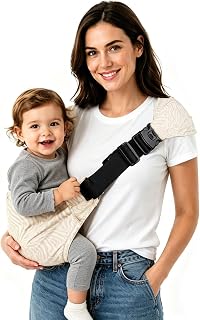
 Grownsy Safety-Certified 3D Knit Baby Carrier Newborn
- 𝐌𝐮𝐬𝐭-𝐇𝐚𝐯𝐞 𝐏𝐚𝐫𝐞𝐧𝐭𝐢𝐧𝐠 𝐄𝐬𝐬𝐞𝐧𝐭𝐢𝐚𝐥: Our baby carrier is crafted…
- 𝐆𝐫𝐨𝐰𝐬 𝐰𝐢𝐭𝐡 𝐘𝐨𝐮𝐫 𝐁𝐚𝐛𝐲, 𝐍𝐞𝐰𝐛𝐨𝐫𝐧 𝐭𝐨 𝐓𝐨𝐝𝐝𝐥𝐞𝐫: Designed…
- 𝐑𝐞𝐥𝐢𝐞𝐯𝐞 𝐒𝐡𝐨𝐮𝐥𝐝𝐞𝐫 & 𝐁𝐚𝐜𝐤 𝐏𝐫𝐞𝐬𝐬𝐮𝐫𝐞 𝐟𝐨𝐫 𝐀𝐥𝐥-𝐒𝐢𝐳𝐞 𝐏𝐚𝐫𝐞𝐧𝐭𝐬:…


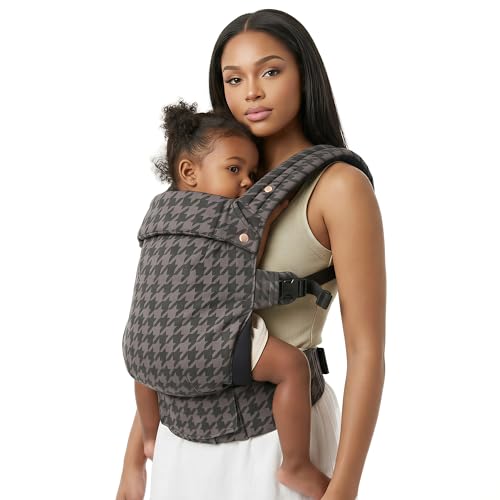 Baby Carrier Newborn to Toddler
- [Safe Healthy Newborn Carrier]This baby carrier newborn to…
- [Skin‑Friendly Pure Cotton Baby Carrier Newborn]Upgraded material: double‑sided…
- [Parent‑Friendly Lightweight Toddler Carrier]This baby carrier newborn to…

 Tivellary Plus-Size Baby Carrier with Lumbar Support
- Plus-Size Friendly Design: Specifically designed for plus-size parents,…
- Widened Shoulder and Waist Straps with Extended Waist:…
- Reinforced Lumbar Support: This toddler carrier with removable…
As an Amazon Associate we earn from qualifying purchases at no extra cost to you.



Write Your Review
No reviews yet. Be the first to share your experience!