
Key takeaways
Back Carry Baby Carrier designs simplify daily parenting by keeping hands free while distributing heavy infant weight across your back. Selecting an effective model resolves posture issues and reduces back strain during long outdoor walks. This detailed guide highlights essential features and top picks to ensure effortless family travel.
How to Choose a Quality Carrier
Selecting the right equipment requires a clear understanding of ergonomic structure, safety features, and overall convenience. Caregivers using a back carry baby carrier need reliable gear that balances infant security with personal physical comfort during long outings. Evaluating core specifications helps you find a durable product.
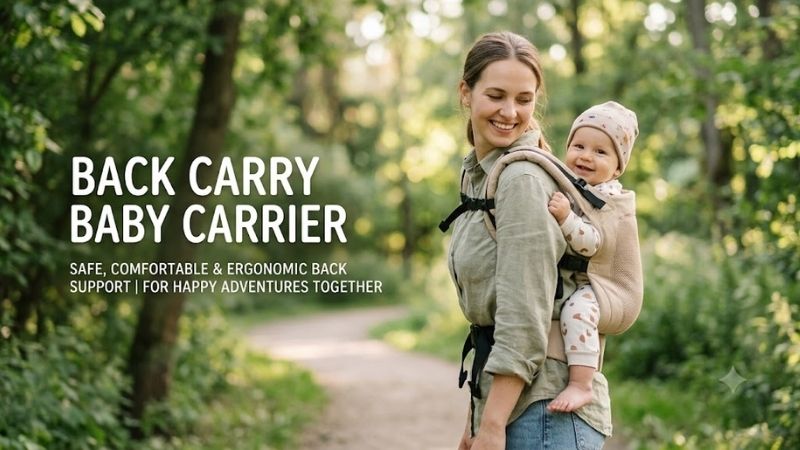
Ergonomic Weight Distribution
Proper weight distribution is essential when carrying older infants for extended periods. A well-designed harness transfers heavy loads away from your neck and shoulders, directing the burden toward your hips. Padded shoulder straps and broad lumbar supports prevent chronic fatigue, allowing parents to hike comfortably for several hours.
Adjustable strap configurations ensure a customized fit for caregivers of varying body shapes. Secure buckles allow fast position adjustments without causing physical discomfort or uneven pressure points. Investing in proper structural balance protects your posture while supporting healthy development for your growing baby on daily adventures.
Breathable Fabric and Ventilation
Fabric quality directly affects comfort during hot summer outings and intensive walking sessions. Premium 3D mesh fabrics promote continuous airflow, pulling moisture away from sensitive skin to prevent overheating. Choosing lightweight textiles keeps both caregiver and child dry, comfortable, and relaxed throughout changing weather conditions.
Durable organic cotton blends offer soft tactile comfort while remaining strong enough for regular machine washing. Soft materials prevent skin irritation around delicate thighs, while sturdy frames preserve structural integrity. Prioritizing breathable construction guarantees long-term utility across diverse seasonal outdoor activities.
Hip Support and Developmental Geometry
Supporting proper infant hip geometry prevents long-term joint complications during physical growth. Pediatric guidelines emphasize maintaining a natural ergonomic seat where baby knees rest higher than hips. Broad seat panels fully support infant thighs, preventing dangerous dangling that places harmful pressure on developing hip joints.
A back carry baby carrier must feature expandable seating options to accommodate infant growth milestones. Padded leg cushions offer extra softness around delicate legs, preventing painful friction or chafing. Selecting geometrically correct equipment ensures your infant stays safe, cozy, and healthily aligned during every journey.
Top Back Carry Baby Carrier Picks
Exploring top models on the market helps parents compare structural strengths, carrying capacities, and practical storage options. Everyday family travel becomes much smoother when using trusted equipment crafted with durable safety hardware. Below is a concise comparison table featuring four highly rated options for modern parents.
| Model Name | Primary Material | Weight Limit | Key Advantage | | Ergobaby Omni Breeze | SoftFlex Mesh | 45 lbs | Maximum Ventilation | | BabyBjorn Carrier One | Cotton Blend | 33 lbs | Rapid Harness Lock | | Beco Gemini Pocket | Cotton Canvas | 35 lbs | Zippered Storage | | Lillebaby Complete Airflow | Breathable Mesh | 45 lbs | Lumbar Support |
Ergobaby Omni Breeze
Active families needing superior ventilation will appreciate the exceptional design of the Ergobaby Omni Breeze. Constructed with lightweight SoftFlex mesh, this carrier provides continuous airflow to minimize body heat. Parents who enjoy warm outdoor walks will find this versatile equipment comfortable, supportive, and extremely reliable.
Key highlights include padded crossable straps, integrated side pockets, and full lumbar support. However, the structured frame adds slight bulk when packing into compact luggage. Overall, this model serves as a fantastic choice for caregivers wanting maximum ergonomic safety and breathability across long distances throughout the year.
BabyBjorn Carrier One
The BabyBjorn Carrier One offers a streamlined harness system designed for quick adjustments during busy schedules. Soft cotton blends surround your infant with cozy comfort, while sturdy waist belts distribute physical weight evenly. This option suits caregivers seeking fast operations without dealing with overly complex strap configurations.
Notable benefits include quick buckle placement, sturdy leg straps, and sleek aesthetic options. The main limitation is a slightly lower weight limit compared to heavier outdoor trekking units. Nevertheless, its simple design makes it an excellent purchase for everyday errands and urban walks with growing infants needing secure positioning.
Beco Gemini Pocket
The Beco Gemini Pocket blends functional utility with user-friendly operation for daily household tasks and errands. Made from durable cotton canvas, it features built-in storage compartments perfect for carrying keys or mobile phones. Caregivers wanting an all-in-one carrying system will love its simplicity and sturdy overall build.
Major perks include wide shoulder straps, fold-down head protection, and versatile front and rear carrying setups. On the downside, canvas fabric retains more heat during peak summer weather than full mesh alternatives. It remains a solid, dependable investment for parents seeking convenience, durable cloth, and practical daily storage.
Lillebaby Complete Airflow
Caregivers suffering from lower back strain will find exceptional relief with the Lillebaby Complete Airflow setup. Incorporating an oversized lumbar support pad, this product stabilizes your spine during lengthy walking trips. High-performance mesh construction guarantees that your child remains cool and relaxed during warm outdoor hikes.
Standout advantages include six versatile carrying modes, removable head covers, and wide shoulder padding. The trade-off is a bulkier frame that may feel overwhelming on petite parental bodies. Despite its larger profile, this durable gear delivers outstanding lumbar health and supreme stability for active families on long journeys.
Frequently Asked Questions About Infant Gear
Addressing common parental questions ensures safe daily usage and proper care for your essential baby equipment. Understanding correct age milestones, structural differences, and proper maintenance methods helps prevent unnecessary hassle. Below are detailed answers to guide your purchasing decision and everyday infant routine.
When Can You Start Rear Position Carrying?
Infants must demonstrate consistent neck control and independent sitting ability before transitioning to rear positions. Most pediatricians recommend waiting until a child reaches six months of age before using rear setups. Ensuring full head control prevents neck fatigue and maintains open airways during active outdoor walks with parents.
Always verify weight capacity recommendations specified by gear manufacturers prior to initial use. Using a back carry baby carrier too early can compromise infant spinal alignment and breathing comfort. Patience ensures your baby stays physically secure and properly supported during every developmental stage of early childhood growth.
How Do Back Carriers Compare to Wraps?
Structured back carriers offer rigid lumbar support and padded waist belts engineered for heavier growing toddlers. Lightweight fabric wraps rely on soft cloth tension, making them ideal for cozy newborn bonding at home. Choosing a back carry baby carrier provides superior balance for extended outdoor travel and strenuous daily activities.
While fabric wraps fold into tiny travel bags, structured models reduce shoulder fatigue over long distances. Structured frames feature quick-release buckles, whereas wraps demand careful tying skills. Selecting between them depends on whether you prefer fast structural convenience or soft minimalist infant closeness during daily tasks.
Is Rear Carrying Safe During Warm Weather?
Carrying infants during summer heat requires careful monitoring to prevent physical overheating and dehydration. Selecting models crafted with breathable 3D mesh promotes active airflow between your body and your child. Dressing your baby in light single-layer clothing keeps skin dry and prevents moisture buildup during sunny outdoor walks.
Using a back carry baby carrier in sunny weather requires shade accessories like wide hats or protective hoods. Regular resting breaks in shaded areas allow both caregiver and infant to cool down comfortably. Hydration and continuous skin temperature monitoring guarantee safe, enjoyable outings throughout hot summer months.
How Should You Clean Carrier Fabrics?
Proper cleaning routines preserve fabric elasticity while maintaining essential safety buckles and strap fasteners. Most modern models are machine washable using gentle cycles and mild detergent free from harsh chemicals. Spot cleaning small spills with a damp sponge prevents excessive fabric wear between thorough washing cycles.
Fasten all plastic buckles and place equipment inside a protective mesh laundry bag before machine washing. Always air dry your gear in shaded areas to prevent sun damage or hardware deterioration under high heat. Proper care ensures your back carry baby carrier remains clean, durable, and comfortable for many years of routine family use.
View more products:
- Hip Seat Baby Carrier
- Front Carry Baby Carrier
- Soft Structured Carrier
- Structured Baby Carrier Review
Final Thoughts
Investing in a reliable back carry baby carrier transforms daily errands and outdoor hikes into effortless bonding moments. Evaluating ergonomic weight distribution, fabric breathability, and lumbar support ensures optimal comfort for parent and child. Choose a top-rated model today to enjoy safe, hands-free mobility on every new journey.
Our top picks
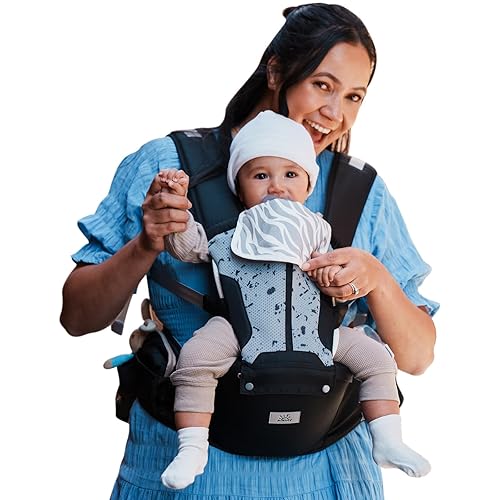
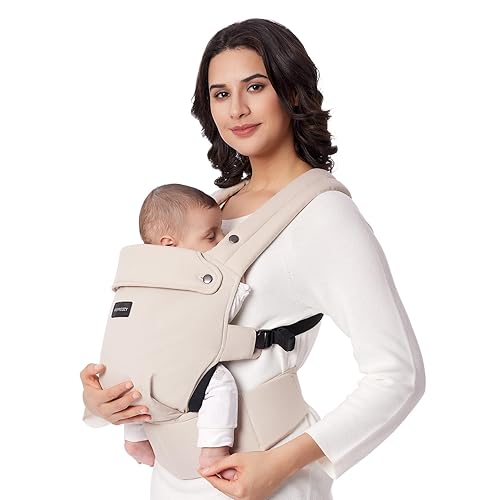


 Grownsy Safety-Certified 3D Knit Baby Carrier Newborn
- 𝐌𝐮𝐬𝐭-𝐇𝐚𝐯𝐞 𝐏𝐚𝐫𝐞𝐧𝐭𝐢𝐧𝐠 𝐄𝐬𝐬𝐞𝐧𝐭𝐢𝐚𝐥: Our baby carrier is crafted…
- 𝐆𝐫𝐨𝐰𝐬 𝐰𝐢𝐭𝐡 𝐘𝐨𝐮𝐫 𝐁𝐚𝐛𝐲, 𝐍𝐞𝐰𝐛𝐨𝐫𝐧 𝐭𝐨 𝐓𝐨𝐝𝐝𝐥𝐞𝐫: Designed…
- 𝐑𝐞𝐥𝐢𝐞𝐯𝐞 𝐒𝐡𝐨𝐮𝐥𝐝𝐞𝐫 & 𝐁𝐚𝐜𝐤 𝐏𝐫𝐞𝐬𝐬𝐮𝐫𝐞 𝐟𝐨𝐫 𝐀𝐥𝐥-𝐒𝐢𝐳𝐞 𝐏𝐚𝐫𝐞𝐧𝐭𝐬:…


As an Amazon Associate we earn from qualifying purchases at no extra cost to you.



Write Your Review
No reviews yet. Be the first to share your experience!