
Key takeaways
- Weight Range and Longevity: For true toddler back carrying, choose a carrier rated to at least 40 to 45 lbs. A higher limit means you can continue back carrying comfortably into the 2 to 3 year range without outgrowing the carrier.
- Lumbar and Shoulder Support: Look for a wide, padded waistband that sits on your hips and a lumbar support panel or pad. Crossable shoulder straps and sternum straps help distribute a heavier toddler’s weight evenly and reduce back strain.
- Hip-Healthy Positioning: Ensure the carrier offers a wide, ergonomic seat that supports an M-position with knees above bum. This protects developing hips during longer back carries and keeps your toddler comfortable.
- Ease of Back Carry On and Off: Prioritize carriers with clearly adjustable straps, reachable buckles, and a design that allows you to safely swing your toddler to your back solo. Practice in front of a mirror and check for safety-certified construction.
- Climate and Fabric: Consider breathability and padding for longer carries. All-season panels, cotton or mesh options, and moisture-wicking fabrics prevent overheating while still providing structure and support for a heavier child.
.
The Mabē Monarch Ergonomic Baby Carrier is our Best Overall pick for back carrying your toddler, with the LÍLLÉbaby Complete All Seasons as the runner-up for versatile year-round support and superior lumbar comfort. Both offer hip-healthy ergonomics, high weight limits, and secure back-carry positioning that keeps you comfortable as your child grows.
Back carrying a toddler brings a different set of challenges than front carrying a newborn — weight distribution, upper back and shoulder strain, getting a squirmy toddler on and off safely, and keeping both of you cool and supported on longer walks. This guide cuts through the options to focus specifically on soft structured carriers that excel at back carrying, comparing fit, weight range, lumbar support, breathability, and ease of use so you can choose the right carrier for your body and your toddler’s stage.
Our top picks


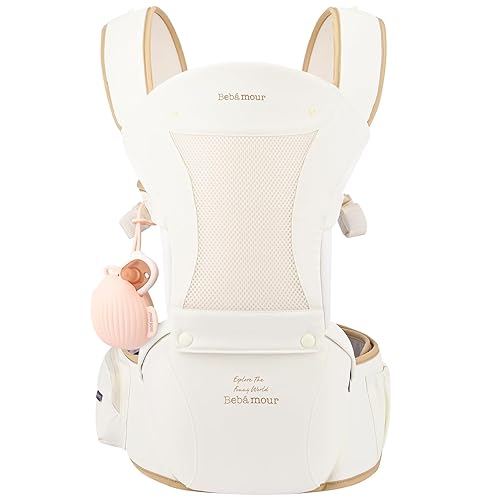
As an Amazon Associate we earn from qualifying purchases at no extra cost to you.
Quick Comparison
| Product | Best For | Standout Feature | Rating |
|---|---|---|---|
| Mabē Monarch Ergonomic Baby Carrier | Best Overall | Premium cotton, hip-healthy design 9-46 lbs | 4.9/5 |
| Infantino Flip Luxe 4-in-1 Baby Carrier | Best Budget | Updated lumbar support, herringbone fabric | 4.6/5 |
| MOMTORY StowNGO Pro Safety-Certified Baby Carrier | Best Premium | Ultra storage and hipseat, 7-50 lbs | 4.8/5 |
| LÍLLÉbaby Complete All Seasons 6-in-1 Carrier | All-Season Comfort | 6 carry positions with lumbar support and temperature control | 4.8/5 |
| GROWNSY Wrap Carrier | Lightweight Everyday Use | Soft breathable fabric with head support | 4.5/5 |
How to Choose a Soft Structured Carrier for Back Carrying Your Toddler
- Weight Range and Longevity: For true toddler back carrying, choose a carrier rated to at least 40 to 45 lbs. A higher limit means you can continue back carrying comfortably into the 2 to 3 year range without outgrowing the carrier.
- Lumbar and Shoulder Support: Look for a wide, padded waistband that sits on your hips and a lumbar support panel or pad. Crossable shoulder straps and sternum straps help distribute a heavier toddler’s weight evenly and reduce back strain.
- Hip-Healthy Positioning: Ensure the carrier offers a wide, ergonomic seat that supports an M-position with knees above bum. This protects developing hips during longer back carries and keeps your toddler comfortable.
- Ease of Back Carry On and Off: Prioritize carriers with clearly adjustable straps, reachable buckles, and a design that allows you to safely swing your toddler to your back solo. Practice in front of a mirror and check for safety-certified construction.
- Climate and Fabric: Consider breathability and padding for longer carries. All-season panels, cotton or mesh options, and moisture-wicking fabrics prevent overheating while still providing structure and support for a heavier child.
The Best Soft Structured Carriers for Back Carrying Your Toddlers Reviewed
Best Overall: Mabē Monarch Ergonomic Baby Carrier
Ideal for parents who want a premium, long-term toddler carrier, the Mabē Monarch supports 9 to 46 lbs in three carry positions including a secure, ergonomic back carry. Its lightweight, breathable premium cotton and hip-healthy design keep both parent and toddler comfortable on extended walks and travel.
Best Budget: Infantino Flip Luxe 4-in-1 Baby Carrier
Best for budget-conscious families who still want ergonomic support, the Infantino Flip Luxe covers 7 to 35 lbs with four carry configurations and updated lumbar support. The premium herringbone fabric and elevated accents deliver everyday comfort and style without the premium price.
Best Premium: MOMTORY StowNGO Pro Safety-Certified Baby Carrier
Perfect for organized parents and longer outings, the MOMTORY StowNGO Pro offers six carry positions, front and back carrying, an integrated hipseat, and ultra storage for essentials. With a 7 to 50 lb range and plus-size friendly fit, it is built for all-day toddler back carrying and on-the-go convenience.
Best for All-Season Comfort: LÍLLÉbaby Complete All Seasons Ergonomic 6-in-1 Carrier
Best for parents who babywear year-round, the LÍLLÉbaby Complete All Seasons features 360-degree carrying, six positions including back carry, and a zip-down panel for temperature control. With lumbar support and a 7 to 45 lb range, it excels at keeping you and your toddler comfortable in heat or cold.
Best for Lightweight Simplicity: GROWNSY Baby Carrier Wrap Carrier
Best for quick trips and parents who prefer soft, minimal structure, the GROWNSY Wrap Carrier offers breathable fabric, head support, and an ergonomic design that reduces back strain. It is easiest for caregivers who want an effortless on and off option for younger toddlers and shorter carries.
Frequently Asked Questions
When can I start back carrying my toddler?
Most children are ready for back carrying once they have strong, consistent head and torso control and can sit independently, typically around 6 to 9 months. Always follow the carrier’s specific age and weight guidelines and ensure your toddler’s airway remains visible and kissable when you check in a mirror.
What makes a carrier comfortable for toddler back carrying?
A wide padded waistband that transfers weight to your hips, contoured shoulder straps with a sternum strap, and a supportive panel with adequate seat width are key. Lumbar support and the ability to tighten and adjust straps precisely make the biggest difference as your toddler gets heavier.
Is a soft structured carrier hip-healthy for toddlers?
Yes, when it holds your toddler in an ergonomic spread-squat or M-position with the seat supporting from knee to knee. Look for carriers that are recognized as hip-healthy and avoid narrow-based carriers that let legs dangle straight down during back carries.
Can I back carry with a wrap-style carrier?
Wrap carriers can be used for back carries with proper wrapping technique, but soft structured carriers are generally more secure, faster to put on solo, and more supportive for heavier toddlers. If you prefer a wrap feel, choose a structured carrier with soft, breathable fabric like the GROWNSY for a similar comfort with more stability.
Final Thoughts
For most families, the Mabē Monarch Ergonomic Baby Carrier stands out as the most balanced choice for toddler back carrying, combining lightweight comfort, a high 46 lb limit, and a truly hip-healthy structure. If you need maximum weather versatility, the LÍLLÉbaby Complete All Seasons is our top runner-up, while the MOMTORY StowNGO Pro is the premium pick for parents who want extra storage and the highest weight capacity for years of use.



Write Your Review
No reviews yet. Be the first to share your experience!